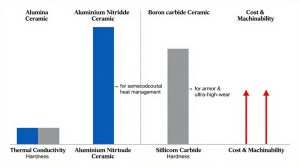
Next-Generation Ceramics: Unlocking Superior Properties for Industry

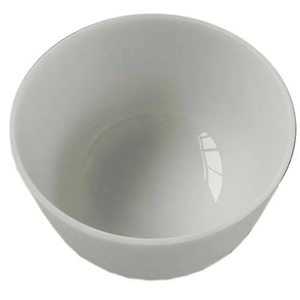
PRODUCT PARAMETERS
Description
Overview of High Temperature Boron Nitride Ceramic Insulator
Boron Nitride (BN) exists in multiple polymorphs, with Hexagonal Boron Nitride (h-BN) being the most common ceramic form. Often called “white graphite” due to its similar layered, lubricious structure, it is distinguished by its exceptional thermal stability, electrical insulation, and chemical inertness, even at extreme temperatures.
Features of High Temperature Boron Nitride Ceramic Insulator
- High Thermal Conductivity & Excellent Electrical Insulation: Unique combination that allows it to conduct heat like a metal but insulate like a ceramic.
- Outstanding Thermal Shock Resistance: Can be heated and cooled rapidly without cracking.
- Natural Lubricity: Exhibits low friction and anti-stick properties, even at high temperatures.
- Chemically Inert: Resists wetting by and reaction with most molten metals, slags, and glasses.
- Machinable: Unlike most advanced ceramics, h-BN in its solid form can be machined to precision tolerances using conventional carbide tooling.
Specifications of High Temperature Boron Nitride Ceramic Insulator
Heat Boron Nitride Porcelain Insulator– Trick Specifications
Product Structure
This insulator is made from high-purity hexagonal boron nitride (h-BN). The product has over 99% BN, which gives it exceptional thermal and electric performance. It has a fine-grained framework that ensures uniform homes across the entire part.
Thermal Performance
It works dependably at temperature levels approximately 1000 ° C in air and as much as 2000 ° C in inert ambiences. The insulator reveals extremely reduced thermal development, so it remains dimensionally steady also under fast home heating or cooling. Its thermal conductivity ranges from 30 to 60 W/m · K, relying on positioning and density, permitting efficient heat dissipation without performing electrical energy.
Electrical Characteristics
The volume resistivity exceeds 1014 Ω · centimeters at room temperature level and continues to be high even at raised temperature levels. Dielectric stamina is typically above 30 kV/mm. These features make the insulator suitable for high-voltage and high-frequency applications where electrical isolation is crucial.
Mechanical Qualities
Though not as hard as alumina or other structural porcelains, boron nitride supplies great machinability and can be formed into complex forms. Its flexural strength is around 50– 70 MPa. The material is additionally lightweight, with a thickness of about 2.1 g/cm TWO.
Chemical Resistance
It resists strike from a lot of molten steels, salts, and slags. It does not respond with several acids or antacid below 800 ° C. Nonetheless, it slowly oxidizes in air over 850 ° C, so utilize in oxidizing settings should stay within advised temperature level restrictions.
Common Applications
These insulators are extensively used in semiconductor production, induction heating systems, vacuum furnaces, and aerospace parts. Their combination of electric insulation, thermal security, and chemical inertness makes them suitable for requiring industrial environments.
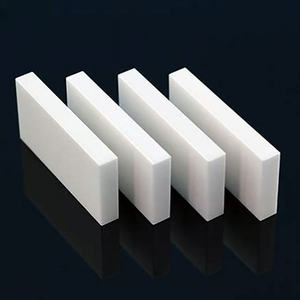
Applications of High Temperature Boron Nitride Ceramic Insulator
Applications of High-Temperature Boron Nitride Ceramic Insulators
Why Select Boron Nitride?
Boron nitride ceramic insulators handle extreme warm without damaging down. They stay stable even over 1,000 ° C. This makes them ideal where various other products stop working. Their electrical insulation remains solid at heats. They also stand up to thermal shock and do not react with the majority of chemicals.
Use in Semiconductor Manufacturing
In semiconductor production, clean and steady conditions are important. Boron nitride parts sustain wafer handling and heater fixtures. They do not pollute delicate procedures. Their smooth surface protects against bit losing. Tools lasts much longer because boron nitride withstands wear and corrosion from aggressive gases.
Role in Aerospace and Defense
Aerospace systems usually run under intense warmth and anxiety. Boron nitride insulators safeguard sensing units and electronic devices in jet engines and re-entry automobiles. They maintain electric signals clear even during fast temperature adjustments. Their light-weight nature helps reduce total system weight without giving up performance.
Support for High-Power Electronic Devices
Power electronics in electrical vehicles and industrial makers generate serious warmth. Criterion insulators may break or lose performance. Boron nitride remains dependable. It separates high voltages while drawing heat away from elements. This boosts safety and extends gadget life.
Value in Lab and Research Settings
Scientists need products that perform continually under test conditions. Boron nitride insulators work well in vacuum chambers, plasma arrangements, and high-temperature experiments. They do not outgas or break down. Researchers trust them for repeatable, precise results.
Developed for Demanding Environments
These insulators fulfill hard demands across industries. They combine thermal security, electric resistance, and chemical inertness in one material. Engineers choose them when failing is not an option.

Company Profile
Synthetic-chemical focus on the research and development, production and sales of ceramic products, serving the electronics, ceramics, chemical and other industries. Since its establishment in 2015, the company has been committed to providing customers with the best products and services, and has become a leader in the industry through continuous technological innovation and strict quality management.
Our products includes but not limited to Aluminum Nitride, Aluminum Oxide, Boron Carbide, Boron Nitride, Ceramic Crucible, ect. If you are interested in any type of these, please feel free to contact us.

Payment Methods
T/T, Western Union, Paypal, Credit Card etc.
Shipment Methods
By air, by sea, by express, as customers request.
5 FAQs of High Temperature Boron Nitride Ceramic Insulator
High Temperature Boron Nitride Ceramic Insulator – Frequently Asked Questions
What is a boron nitride ceramic insulator?
A boron nitride ceramic insulator is made from high-purity boron nitride. It works well in very hot environments. This material does not conduct electricity. It keeps electrical parts safe from short circuits or damage.
Why use boron nitride instead of other ceramics?
Boron nitride can handle temperatures above 1,000°C without breaking down. It also resists thermal shock. Many other ceramics crack under fast temperature changes. Boron nitride stays strong and stable. It also has low friction and does not stick to molten metals.
Where are these insulators used?
These insulators are common in industrial heating systems. You will find them in furnaces, semiconductor manufacturing, and aerospace parts. They support heating elements and protect sensors in extreme heat. Labs also use them for crucibles and sample holders.
Is boron nitride safe to handle?
Yes. Boron nitride is chemically inert. It does not react with most acids, bases, or molten metals. It gives off no toxic fumes when heated. Always follow basic safety rules when working with hot equipment.
How long do these insulators last?
With proper use, they last a long time. Their life depends on operating temperature, mechanical stress, and exposure to reactive chemicals. In clean, stable conditions, they can work for years without failing. Regular inspection helps catch wear early.
REQUEST A QUOTE
RELATED PRODUCTS
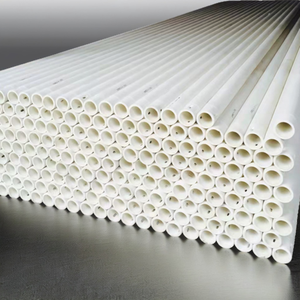
High Temperature Insulating Boron Nitride Ceramic Plate
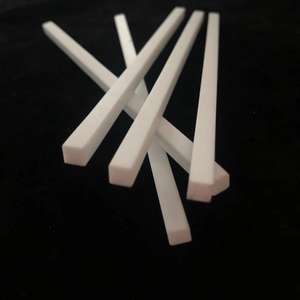
Composite Boron Nitride Ceramics
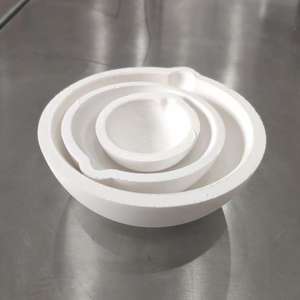
Boron Nitride Ceramic Heat Sink and Plate High Thermal Conductive
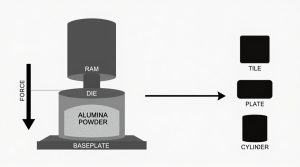
Boron Nitride Composite Ceramic Aerosol Spray High Temperature Corrosion Resistance
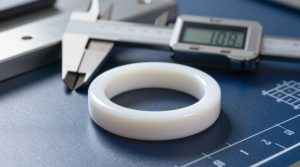
Hexagonal Boron Nitride Ceramic Bushing Sleeve