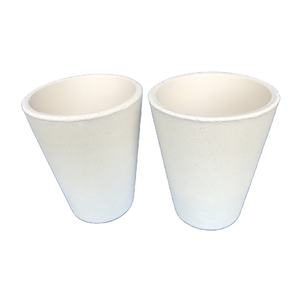
Next-Generation Ceramics: Unlocking Superior Properties for Industry

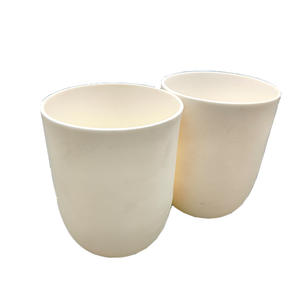
PRODUCT PARAMETERS
Description
Overview of Ceramic Crucible for Melting Glass Raw Materials High Temperature
A Ceramic Crucible is a vessel designed to withstand extreme temperatures for melting, calcining, or reacting chemical substances. Advanced ceramic crucibles are engineered from high-purity materials like Alumina, Zirconia, Boron Nitride, or Magnesia, chosen for their ability to contain specific molten materials without contamination or failure.
Features of Ceramic Crucible for Melting Glass Raw Materials High Temperature
- Extreme Temperature Resistance: Can operate continuously from 1000°C to over 1800°C, depending on the material.
- High Purity & Chemical Inertness: Minimizes reaction with and contamination of the melt (metal, glass, salt, ash).
- Excellent Thermal Shock Resistance: (Grade-dependent) Can withstand rapid heating and cooling cycles.
- Variety of Compositions & Designs: Tailored for specific applications (e.g., BN for reactive metals, ZrO₂ for precious metals, MgO for basic slags).
- Durable & Reusable: High-quality crucibles can survive multiple cycles, providing long service life.
Specifications of Ceramic Crucible for Melting Glass Raw Materials High Temperature
Requirements of Ceramic Crucible for Melting Glass Raw Materials at Heat
Product and Construction
This crucible is made from high-purity alumina ceramic. The material supplies solid resistance to thermal shock and chemical rust. It preserves structural honesty even when exposed to temperatures approximately 1700 ° C( 3092 ° F). The dense microstructure prevents glass melt from seeping right into the walls, which aids maintain your set clean and regular.
Temperature level Performance
Maximum operating temperature: 1700 ° C.Recommended continual usage temperature level: approximately 1600 ° C.
The crucible heats up evenly and cools without breaking under normal heater conditions. It functions well in both oxidizing and neutral ambiences. Avoid abrupt temperature adjustments to prolong life span.
Physical Measurements
Readily available in numerous dimensions:.
– Capacity: 50 mL to 2000 mL.
– Wall thickness: 5 mm to 10 mm (based on size).
– Standard forms: round with straight or tapered sides.
Custom measurements can be produced upon request. Each device is precision-formed to make sure uniform wall surface density and smooth internal surfaces.
Surface area and Complete
The indoor surface area is carefully polished to reduce sticking and make pouring much easier. The outside stays unglazed for far better hold and heat transfer. All sides are chamfered to prevent breaking during handling.
Compatibility and Utilize
Suitable for: melting silica, borosilicate, soda-lime, and specialized glasses.
Not ideal for: make use of with solid antacid, hydrofluoric acid, or responsive steels like light weight aluminum at high warmth.
Constantly preheat the crucible gradually prior to full-temperature operation. Position it on a secure, level kiln rack to avoid tension fractures.
Cleansing and Maintenance
After cooling down, eliminate deposit with a soft brush or non-metallic scrape. Do not make use of water on a hot crucible. Store in a completely dry place far from dampness and mechanical impact.
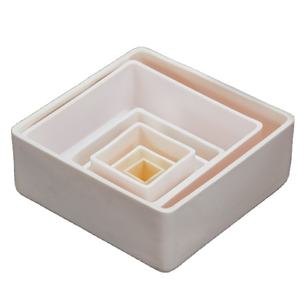
Applications of Ceramic Crucible for Melting Glass Raw Materials High Temperature
Applications of Ceramic Crucibles for Thawing Glass Raw Materials at High Temperatures
Why Ceramic Crucibles Are Essential
Ceramic crucibles are commonly utilized to melt glass resources. These crucibles take care of extremely high temperatures without damaging down. They stay stable also when heated over 1,500 ° C. This makes them excellent for glass manufacturing.
Glass makers require containers that do not react with molten glass. Ceramic crucibles resist chain reactions . They maintain the glass pure and devoid of contamination. Contaminations can wreck the final product. An excellent crucible prevents this issue.
Secret Makes Use Of in Glass Manufacturing
In small studios and large manufacturing facilities, ceramic crucibles melt sets of raw materials like silica sand, soda ash, and sedimentary rock. Artists utilize them to produce personalized glass items. Industrial users rely on them for regular top quality in optical glass, container glass, and specialty glass items.
These crucibles additionally work well in electric or gas-fired furnaces. Their thermal shock resistance suggests they can go from cold to hot rapidly without cracking. This conserves time and minimizes waste throughout production cycles.
Longevity and Efficiency
Top quality ceramic crucibles last longer than numerous choices. They keep their form and toughness after duplicated cooling and heating. This resilience minimizes substitute expenses and downtime.
Makers pick details ceramic types– like alumina or zirconia-based– based on the glass make-up and melting temperature level. Each kind offers different benefits. As an example, zirconia crucibles handle aggressive thaws better, while alumina variations give superb surface area finish to clear glass.
Utilizing the ideal ceramic crucible improves efficiency. It makes certain smooth melting, less problems, and cleaner output. Glass producers get reputable results set after batch. That is why ceramic crucibles continue to be a trusted tool in both craft and industrial glassmaking.

Company Profile
Synthetic-chemical focus on the research and development, production and sales of ceramic products, serving the electronics, ceramics, chemical and other industries. Since its establishment in 2015, the company has been committed to providing customers with the best products and services, and has become a leader in the industry through continuous technological innovation and strict quality management.
Our products includes but not limited to Aluminum Nitride, Aluminum Oxide, Boron Carbide, Boron Nitride, Ceramic Crucible, ect. If you are interested in any type of these, please feel free to contact us.

Payment Methods
T/T, Western Union, Paypal, Credit Card etc.
Shipment Methods
By air, by sea, by express, as customers request.
5 FAQs of Ceramic Crucible for Melting Glass Raw Materials High Temperature
Frequently Asked Questions: Ceramic Crucible for Melting Glass Raw Materials
What is a ceramic crucible used for?
A ceramic crucible holds glass raw materials during high-temperature melting. It can withstand extreme heat without breaking or reacting with the molten glass. This makes it ideal for glassmaking in labs and small-scale production.
Why choose a ceramic crucible over other types?
Ceramic crucibles resist thermal shock and chemical corrosion better than metal or graphite ones. They stay stable even when heated quickly or cooled suddenly. Their material does not mix with glass batches, so your final product stays pure.
What temperature can this crucible handle?
This crucible works safely up to 1600°C (2912°F). It maintains its shape and strength at these high temperatures. Always check your specific glass formula’s melting point to avoid overheating.
How long does a ceramic crucible last?
Lifespan depends on use. With proper handling—slow heating, no sudden cooling, and clean loading—it can last many melting cycles. Avoid dropping it or exposing it to sharp tools. Cracks or chips mean it’s time to replace the crucible.
How should I care for my ceramic crucible?
Let the crucible heat and cool slowly to prevent cracks. Never pour cold water on a hot crucible. Clean residue gently after each use. Store it in a dry place away from dust or moisture. Always inspect it before reuse to make sure it’s still in good condition.
REQUEST A QUOTE
RELATED PRODUCTS
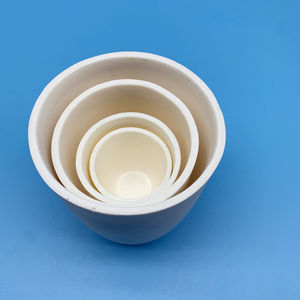
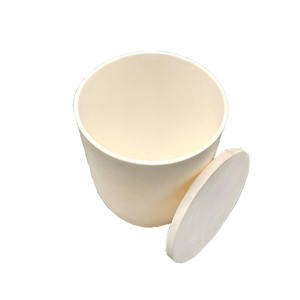
Alumina Ceramic DTA TGA Crucible with Lid for Thermal Analysis
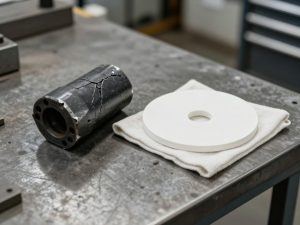
Ceramic Sleeve and Graphite Crucible Kit for Precious Metal Melting
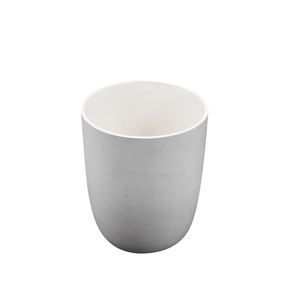
Large Capacity Graphite Silicon Carbide Ceramic Crucible for Aluminum Melting
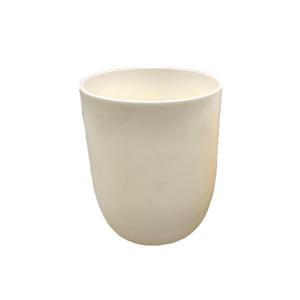
Industrial Heat Resistant Alumina Ceramic Crucible Pot
High Thermal Conductivity Silicon Carbide Ceramic Mug Crucible Cup