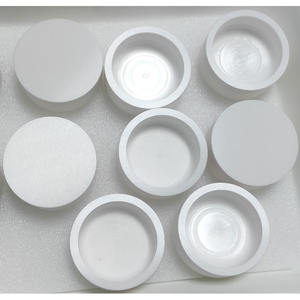
Next-Generation Ceramics: Unlocking Superior Properties for Industry

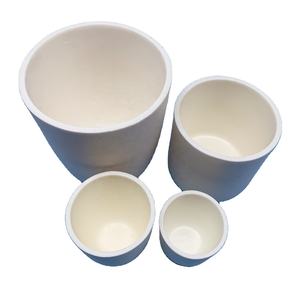
PRODUCT PARAMETERS
Description
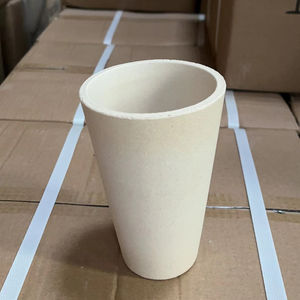
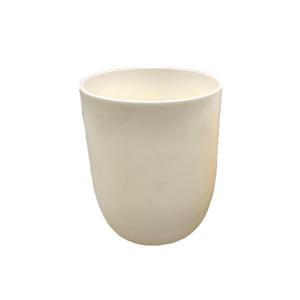
Overview of Laboratory High Temperature Alumina Sagger Ceramic Cylinder Crucible
A Ceramic Crucible is a vessel designed to withstand extreme temperatures for melting, calcining, or reacting chemical substances. Advanced ceramic crucibles are engineered from high-purity materials like Alumina, Zirconia, Boron Nitride, or Magnesia, chosen for their ability to contain specific molten materials without contamination or failure.
Features of Laboratory High Temperature Alumina Sagger Ceramic Cylinder Crucible
- Extreme Temperature Resistance: Can operate continuously from 1000°C to over 1800°C, depending on the material.
- High Purity & Chemical Inertness: Minimizes reaction with and contamination of the melt (metal, glass, salt, ash).
- Excellent Thermal Shock Resistance: (Grade-dependent) Can withstand rapid heating and cooling cycles.
- Variety of Compositions & Designs: Tailored for specific applications (e.g., BN for reactive metals, ZrO₂ for precious metals, MgO for basic slags).
- Durable & Reusable: High-quality crucibles can survive multiple cycles, providing long service life.
Specifications of Laboratory High Temperature Alumina Sagger Ceramic Cylinder Crucible
Requirements of Lab Heat Alumina Sagger Porcelain Cyndrical Tube Crucible
Material and Pureness
This crucible is made from high-purity alumina ceramic. The alumina content is 99.5% or higher. This guarantees exceptional resistance to chemical corrosion and thermal shock. It remains secure even under severe heat.
Temperature level Resistance
The crucible can deal with continual use at temperature levels approximately 1700 ° C( 3092 ° F). Short-term exposure can get to 1800 ° C (3272 ° F) without cracking or warping. This makes it ideal for high-temperature research laboratory applications like ashing, calcining, and sintering.
Style and Measurements
It includes a straight-walled cylindrical form with a level base. Criterion dimensions range from 10 mL to 500 mL capacity. Wall thickness is consistent to sustain also warm circulation. Personalized measurements are readily available upon request.
Physical Residences
Density: Roughly 3.6 g/cm THREE.
Hardness: Extremely high, rated around 9 on the Mohs range.
Thermal Growth Coefficient: Low, which decreases risk of fracturing during rapid heating or cooling.
Porosity: Much less than 2%, providing it strong resistance to liquid and gas infiltration.
Surface Finish and Shade
The external and internal surfaces are smooth and white. The finish minimizes sample adhesion and streamlines cleaning after usage.
Applications
This crucible functions well in logical chemistry, products research study, metallurgy, and quality control labs. It appropriates for melting steels, firing ceramics, holding responsive powders, and various other demanding thermal procedures.
Treatment and Handling
Always preheat the crucible slowly prior to reaching target temperature level. Stay clear of abrupt temperature level modifications. Use ceramic or steel tongs for dealing with– never touch with bare hands when hot. Shop in a dry location to avoid moisture absorption.
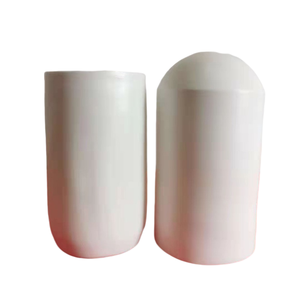
Applications of Laboratory High Temperature Alumina Sagger Ceramic Cylinder Crucible
Applications of Research Laboratory High-Temperature Alumina Sagger Ceramic Cyndrical Tube Crucible
High Heat Resistance for Requiring Settings
The research laboratory high-temperature alumina sagger ceramic cylinder crucible takes care of extreme warmth without damaging down. It stays secure at temperature levels up to 1700 ° C (3092 ° F). This makes it suitable for jobs that require strong, consistent warm over long periods.
Perfect for Product Synthesis and Calcination
Researchers utilize this crucible to prepare innovative porcelains, oxides, and specialty powders. It functions well in solid-state responses and calcination processes. The pure alumina composition protects against unwanted chemical reactions. Samples remain clean and unpolluted throughout home heating.
Reliable Support in Sintering Processes
Throughout sintering, the crucible holds parts firmly while they fuse under heat. Its dense structure resists thermal shock and physical wear. This makes sure regular outcomes set after batch. Labs trust it for sintering electronic components, stimulants, and refractory materials.
Safe Handling of Corrosive Substances
The crucible stands up to attack from numerous liquified steels, slags, and hostile chemicals. It keeps honesty even when exposed to severe laboratory conditions. This security function protects both samples and tools during high-risk experiments.
Consistent Forming for Consistent Results
Its precise round layout allows also warmth distribution. Examples warmth uniformly, which boosts reaction precision. The smooth indoor surface additionally makes cleaning much easier and minimizes material loss.
Developed for Repeated Usage
Made from high-purity alumina, this crucible lasts with many heating cycles. It shows marginal wear or deformation with time. Labs conserve money due to the fact that they do not require constant substitutes. Each use provides trustworthy efficiency.

Company Profile
Synthetic-chemical focus on the research and development, production and sales of ceramic products, serving the electronics, ceramics, chemical and other industries. Since its establishment in 2015, the company has been committed to providing customers with the best products and services, and has become a leader in the industry through continuous technological innovation and strict quality management.
Our products includes but not limited to Aluminum Nitride, Aluminum Oxide, Boron Carbide, Boron Nitride, Ceramic Crucible, ect. If you are interested in any type of these, please feel free to contact us.

Payment Methods
T/T, Western Union, Paypal, Credit Card etc.
Shipment Methods
By air, by sea, by express, as customers request.
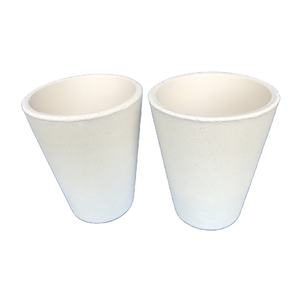
5 FAQs of Laboratory High Temperature Alumina Sagger Ceramic Cylinder Crucible
Frequently Asked Questions
What is a high-temperature alumina sagger used for?
This ceramic cylinder crucible holds materials during high-heat processes. It is common in labs for firing, sintering, or heat-treating powders and small parts. The sagger protects samples from contamination and direct flame contact.
Why choose alumina over other ceramics?
Alumina has strong resistance to heat and chemicals. It stays stable at temperatures up to 1700°C. It also resists wear and does not react easily with most substances. These traits make it reliable for repeated lab use.
Can this sagger handle thermal shock?
Yes, but with care. Alumina has moderate thermal shock resistance. Always heat and cool the sagger slowly. Sudden temperature changes may cause cracks. Follow recommended ramp rates in your furnace program.
How long does one sagger last?
Lifespan depends on use. With proper handling and correct temperature control, it can be used many times. Avoid mechanical stress, rapid heating, or exposure to incompatible chemicals. Inspect it before each use for cracks or damage.
Is this sagger suitable for all lab atmospheres?
It works well in air, oxygen, and inert gas environments. Do not use it in strong reducing atmospheres or with hydrofluoric acid. These conditions can weaken or destroy the alumina structure. Always check chemical compatibility before starting a process.
REQUEST A QUOTE
RELATED PRODUCTS
Laboratory Best Quality Alumina Ceramic and Graphite Crucible
Corrosion Resistance 4KG Capacity Alumina Ceramic Crucible For Melting Furnace
Custom Heat Resistant Alumina Ceramic and Quartz Crucible
Ceramic Crucible For Carbon Sulfur Analyzer Laboratory Equipment
High Purity 99.7 Boron Nitride BN Ceramic Rectangle Crucible