Next-Generation Ceramics: Unlocking Superior Properties for Industry

PRODUCT PARAMETERS
Description
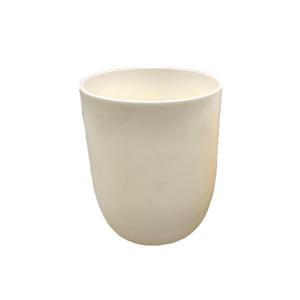
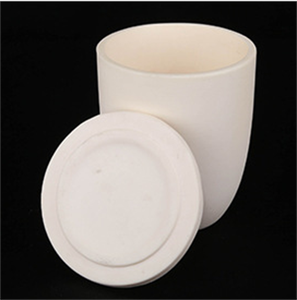
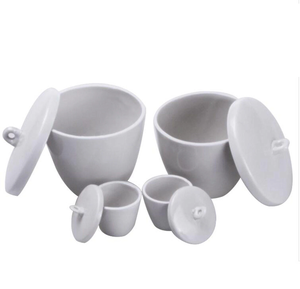
Overview of Ceramic Crucible for Melting Glass Raw Materials High Temperature
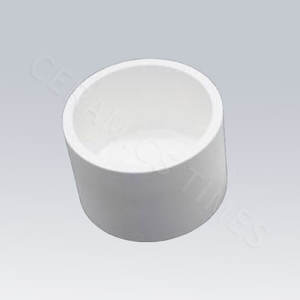
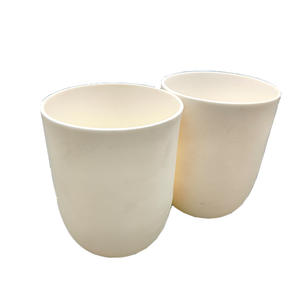
A Ceramic Crucible is a vessel designed to withstand extreme temperatures for melting, calcining, or reacting chemical substances. Advanced ceramic crucibles are engineered from high-purity materials like Alumina, Zirconia, Boron Nitride, or Magnesia, chosen for their ability to contain specific molten materials without contamination or failure.
Features of Ceramic Crucible for Melting Glass Raw Materials High Temperature
- Extreme Temperature Resistance: Can operate continuously from 1000°C to over 1800°C, depending on the material.
- High Purity & Chemical Inertness: Minimizes reaction with and contamination of the melt (metal, glass, salt, ash).
- Excellent Thermal Shock Resistance: (Grade-dependent) Can withstand rapid heating and cooling cycles.
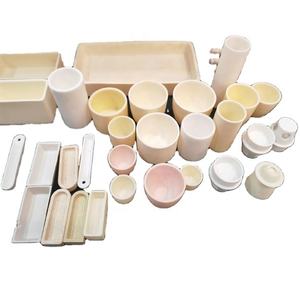
- Variety of Compositions & Designs: Tailored for specific applications (e.g., BN for reactive metals, ZrO₂ for precious metals, MgO for basic slags).
- Durable & Reusable: High-quality crucibles can survive multiple cycles, providing long service life.
Specifications of Ceramic Crucible for Melting Glass Raw Materials High Temperature
Specs of Ceramic Crucible for Melting Glass Raw Products at Heat
Product and Building and construction
This crucible is made from high-purity alumina ceramic. The material offers solid resistance to thermal shock and chemical rust. It preserves architectural stability even when exposed to severe warm over extended periods. The wall surfaces are evenly thick to make certain even heat distribution and protect against breaking throughout repeated home heating cycles.
Temperature Resistance
The crucible can withstand constant use at temperature levels up to 1700 ° C (3092 ° F). It stays secure throughout rapid temperature modifications, which is common in glass melting operations. This makes it suitable for melting various kinds of glass basic materials, consisting of soda-lime, borosilicate, and specialty glasses.
Capability and Dimensions
Available in multiple dimensions, common abilities range from 50 ml to 2000 ml. Each crucible has accurate internal measurements to support constant batch processing. Custom-made dimensions can be generated upon request to satisfy details production requirements.
Surface Complete and Purity
The inner surface is smooth to lower material bond and make cleaning much easier. The ceramic contains minimal pollutants, which assists stop contamination of the molten glass. This is important for applications requiring high optical clearness or accurate chemical make-up.
Handling and Compatibility
Made for usage with common high-temperature heaters, this crucible fits most laboratory and small industrial setups. It functions well with electrical, gas, and induction heating systems. Constantly manage with correct tongs to prevent thermal stress or physical damages.
Sturdiness and Reusability
With correct care, the crucible can be reused lot of times. Avoid sudden air conditioning or mechanical influence to prolong its life span. Store in a completely dry place when not being used to avoid dampness absorption, which can impact performance throughout the next thaw cycle.
Applications of Ceramic Crucible for Melting Glass Raw Materials High Temperature
High-Temperature Ceramic Crucibles for Melting Glass Raw Products
Why Ceramic Crucibles Are Essential
Glass manufacturing begins with melting raw materials like silica sand, soda ash, and sedimentary rock. This procedure needs really heats– typically above 1500 ° C (2732 ° F). Standard containers can not handle this warmth. Ceramic crucibles are constructed to endure these severe conditions without damaging down or responding with the molten glass.
Secret Functions That Make Them Reliable
These crucibles are made from high-purity refractory ceramics such as alumina, zirconia, or merged silica. They resist thermal shock , meaning they will not split when warmed or cooled down promptly. Their thick framework quits glass thaw from seeping with. They also remain chemically stable, so they do not include unwanted elements to the glass batch.
Where They Are Used
Glass makers utilize ceramic crucibles in small-scale melting, laboratory testing, and specialty glass manufacturing. Art glass workshops count on them for constant shade and quality. In research study laboratories, they aid test brand-new glass solutions securely. Industrial setups utilize them for pilot sets before full-scale manufacturing.
Handling and Durability
Despite the fact that ceramic crucibles are strong, they need careful handling. Always pre-heat them slowly to prevent sudden temperature level changes. Store them in dry areas to avoid wetness absorption. With appropriate care, a single crucible can last with many melting cycles. Routine inspection assists identify tiny splits early, avoiding unanticipated failings during use.
Choosing the Right Kind
Not all ceramic crucibles work the same for each glass kind. Soda-lime glass might require one product, while borosilicate or optical glass requires an additional. Suit the crucible make-up to your specific basic materials and target temperature level. Providers typically supply custom-made shapes and sizes to fit various heating systems or melting configurations.

Company Profile
Synthetic-chemical focus on the research and development, production and sales of ceramic products, serving the electronics, ceramics, chemical and other industries. Since its establishment in 2015, the company has been committed to providing customers with the best products and services, and has become a leader in the industry through continuous technological innovation and strict quality management.
Our products includes but not limited to Aluminum Nitride, Aluminum Oxide, Boron Carbide, Boron Nitride, Ceramic Crucible, ect. If you are interested in any type of these, please feel free to contact us.

Payment Methods
T/T, Western Union, Paypal, Credit Card etc.
Shipment Methods
By air, by sea, by express, as customers request.
5 FAQs of Ceramic Crucible for Melting Glass Raw Materials High Temperature
Frequently Asked Questions About Ceramic Crucibles for Melting Glass
What is a ceramic crucible used for?
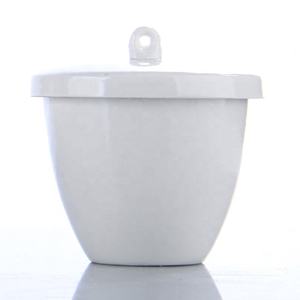
A ceramic crucible holds raw glass materials when they are heated to very high temperatures. It helps melt sand, soda ash, and other ingredients evenly. The crucible must stay strong and stable during the melting process.
Why choose a ceramic crucible over other types?
Ceramic crucibles handle extreme heat without cracking or deforming. They resist chemical reactions with molten glass. This keeps your batch pure and consistent. Metals or lower-grade ceramics may fail under these conditions.
What temperature can these crucibles withstand?
Most high-temperature ceramic crucibles work safely up to 1600°C (2912°F). Some special grades go even higher. Always check the product specs to match your furnace’s max temperature.
How long does a ceramic crucible last?
Lifespan depends on how often you use it and how you heat or cool it. Avoid sudden temperature changes—they cause cracks. With proper care, a good crucible can last many melting cycles.
Can I reuse a ceramic crucible?
Yes, you can reuse it if it shows no signs of damage. Clean it gently after each use. Remove leftover glass residue while it’s still warm but safe to handle. Never force out stuck material—it may chip the crucible.
REQUEST A QUOTE
RELATED PRODUCTS
High Temperature 1650 C Silicon Carbide Graphite Brass Melting
1000g Quartz Glass Ceramic Platinum Melting Crucible Pot For Gold
High Thermal Conductivity Silicon Carbide Ceramic Mug Crucible Cup
Quartz and Ceramic Rods Jewelry Tools and Melting Crucible
Custom Heat Resistant Alumina Ceramic and Quartz Crucible