Next-Generation Ceramics: Unlocking Superior Properties for Industry

PRODUCT PARAMETERS
Description
Overview of Industrial Ceramic Crucible For Metal Melting And Casting Processes
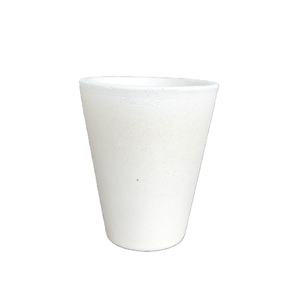
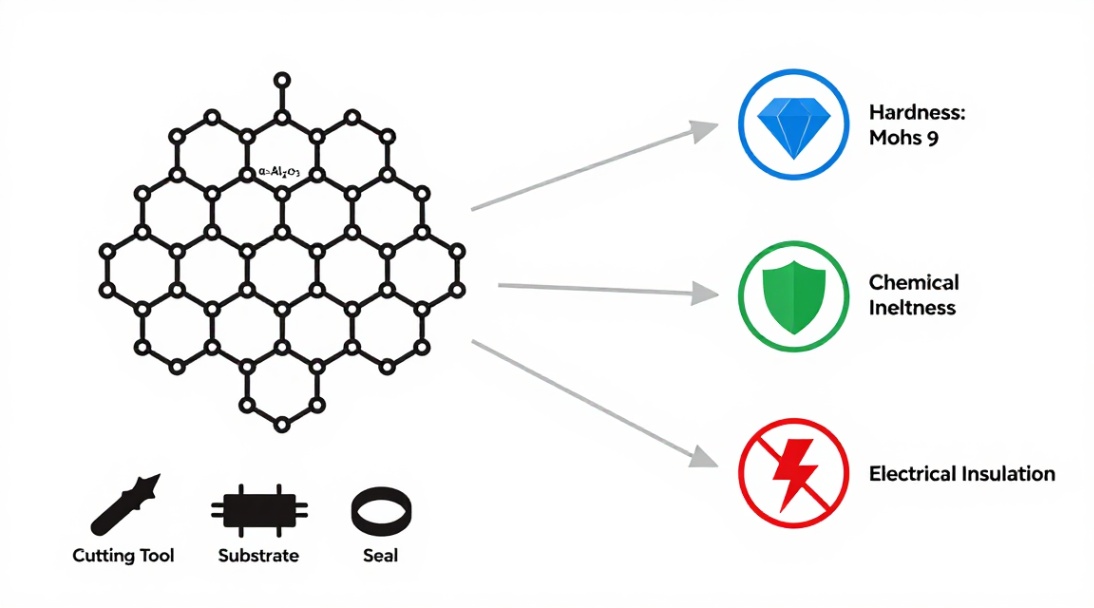
A Ceramic Crucible is a vessel designed to withstand extreme temperatures for melting, calcining, or reacting chemical substances. Advanced ceramic crucibles are engineered from high-purity materials like Alumina, Zirconia, Boron Nitride, or Magnesia, chosen for their ability to contain specific molten materials without contamination or failure.
Features of Industrial Ceramic Crucible For Metal Melting And Casting Processes
- Extreme Temperature Resistance: Can operate continuously from 1000°C to over 1800°C, depending on the material.
- High Purity & Chemical Inertness: Minimizes reaction with and contamination of the melt (metal, glass, salt, ash).
- Excellent Thermal Shock Resistance: (Grade-dependent) Can withstand rapid heating and cooling cycles.
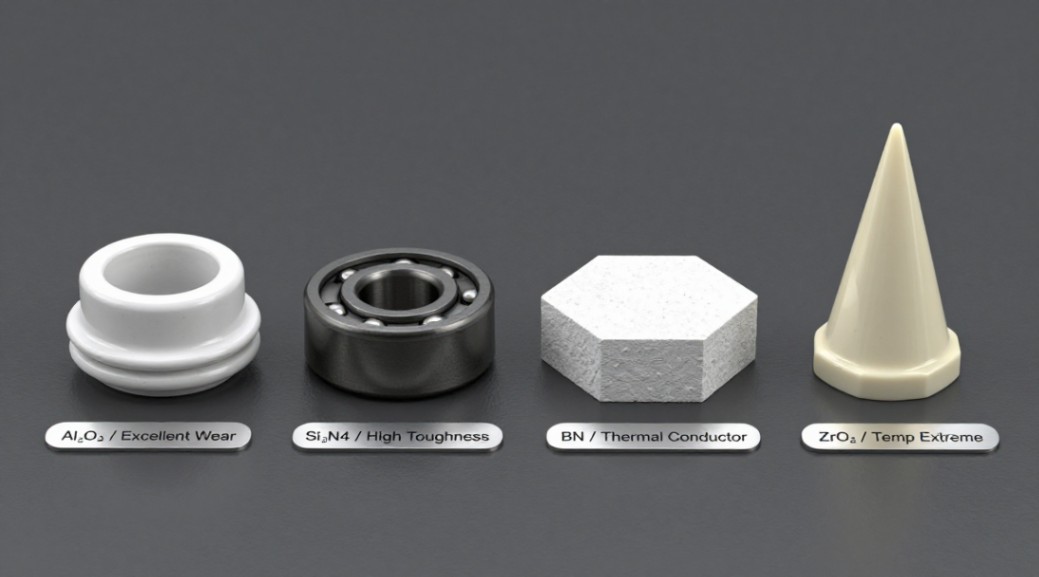
- Variety of Compositions & Designs: Tailored for specific applications (e.g., BN for reactive metals, ZrO₂ for precious metals, MgO for basic slags).
- Durable & Reusable: High-quality crucibles can survive multiple cycles, providing long service life.
Specifications of Industrial Ceramic Crucible For Metal Melting And Casting Processes
Industrial Ceramic Crucible for Metal Melting and Casting
Material and Construction
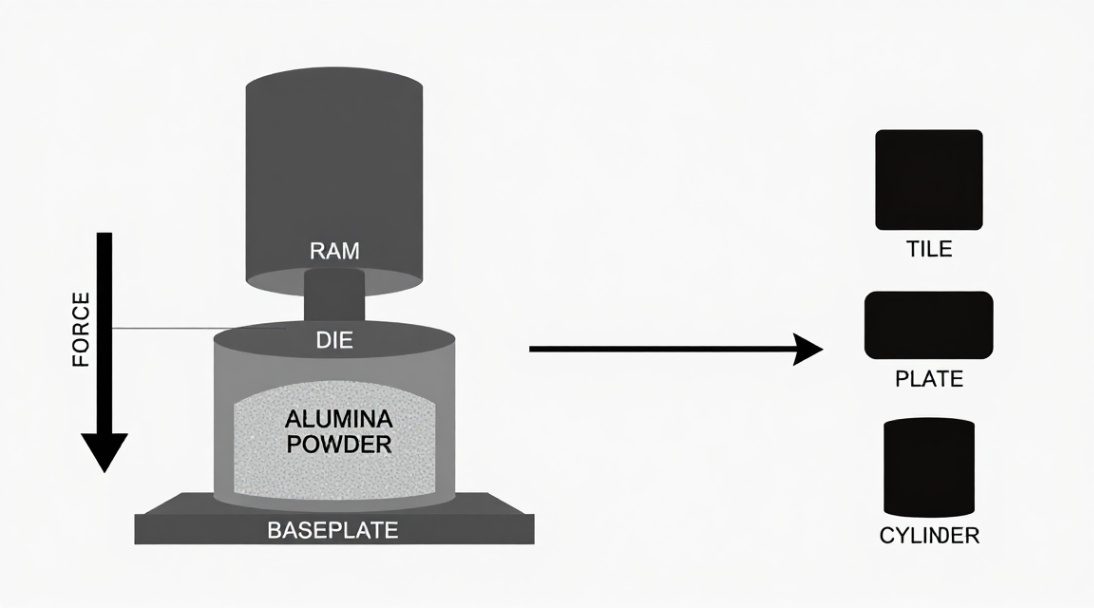
This crucible is made from high-purity alumina or zirconia-based ceramic. The material offers strong resistance to thermal shock and chemical corrosion. It can handle repeated heating and cooling without cracking. The walls are thick enough to support heavy loads yet designed for efficient heat transfer.
Temperature Performance
It works reliably at temperatures up to 1800°C (3272°F). This makes it suitable for melting metals like aluminum, copper, brass, bronze, gold, silver, and some steel alloys. The crucible maintains structural integrity even under prolonged exposure to extreme heat.
Design Features
The shape is optimized for smooth pouring and minimal metal loss. A reinforced lip prevents chipping during handling. Each unit has consistent dimensions to fit standard furnaces and lifting tools. Surface finish is smooth to reduce slag buildup and ease cleaning after use.
Durability and Lifespan
Thanks to its dense microstructure, the crucible resists metal penetration and erosion. It lasts longer than graphite or clay alternatives in many foundry applications. Proper preheating and handling further extend service life.
Applications
Foundries, jewelry workshops, and research labs use this crucible for small to medium batch melting. It is ideal for induction, gas-fired, and electric resistance furnaces. Users value its clean melt output and low contamination risk.
Safety and Handling
Always preheat the crucible slowly before full-temperature use. Avoid sudden temperature changes or mechanical impacts. Use dry tongs and protective gear during operation. Store in a dry place when not in use to prevent moisture absorption.
Note: Actual performance may vary based on operating conditions, metal type, and furnace setup. Always follow recommended heating schedules and safety protocols.
Applications of Industrial Ceramic Crucible For Metal Melting And Casting Processes
Industrial Ceramic Crucibles for Metal Melting and Casting
Strong, Reliable Performance in High-Heat Environments
Industrial ceramic crucibles play a key role in metal melting and casting. These containers hold molten metal at very high temperatures. They are built to handle extreme heat without breaking down or reacting with the metal inside.
Made from high-purity ceramics like alumina, zirconia, or silicon carbide, these crucibles resist thermal shock. This means they can go from cold to hot quickly without cracking. Their structure stays stable even after repeated heating and cooling cycles.
Durable and Chemically Inert
One major advantage of ceramic crucibles is their chemical stability. They do not mix with most metals during melting. This keeps the metal clean and free from contamination. That matters a lot when making high-quality castings for aerospace, automotive, or electronics parts.
These crucibles also last longer than many alternatives. They stand up to wear from stirring, pouring, and contact with tools. Less breakage means fewer production delays and lower costs over time.
Versatile Across Different Metals
Ceramic crucibles work well with many types of metal. You can use them for aluminum, copper, brass, bronze, gold, silver, and even some specialty alloys. Each type of ceramic material suits different melting points and chemical needs. For example, graphite-lined ceramic crucibles are often chosen for non-ferrous metals because they offer extra protection against oxidation.
Foundries and small workshops both rely on these crucibles. They fit into induction furnaces, gas-fired melters, and electric resistance setups. Easy to load and pour, they help keep operations smooth and efficient.
With consistent performance and strong resistance to heat and corrosion, industrial ceramic crucibles remain a trusted choice for professionals who melt and cast metal every day.

Company Profile
Synthetic-chemical focus on the research and development, production and sales of ceramic products, serving the electronics, ceramics, chemical and other industries. Since its establishment in 2015, the company has been committed to providing customers with the best products and services, and has become a leader in the industry through continuous technological innovation and strict quality management.
Our products includes but not limited to Aluminum Nitride, Aluminum Oxide, Boron Carbide, Boron Nitride, Ceramic Crucible, ect. If you are interested in any type of these, please feel free to contact us.

Payment Methods
T/T, Western Union, Paypal, Credit Card etc.
Shipment Methods
By air, by sea, by express, as customers request.
5 FAQs of Industrial Ceramic Crucible For Metal Melting And Casting Processes
What is an industrial ceramic crucible used for?
An industrial ceramic crucible holds and melts metal at very high temperatures. It is built to handle tough melting and casting jobs in foundries, labs, and metal workshops. The crucible keeps its shape and strength even when heated repeatedly.
Why choose ceramic over other materials?
Ceramic crucibles resist heat better than most metals or plastics. They do not react with molten metal, so the metal stays pure. Ceramic also lasts longer under extreme heat, which means fewer replacements and lower costs over time.
Which metals can be melted in a ceramic crucible?
You can melt many common metals like aluminum, copper, brass, bronze, and zinc. Some special ceramic types also work with iron or steel. Always check the crucible’s temperature rating and chemical compatibility before use.
How long does a ceramic crucible last?
Lifespan depends on how often you use it and how you handle it. If you heat and cool it slowly and avoid sudden temperature changes, it can last for many melting cycles. Dropping it or heating it too fast may cause cracks or breakage.
How should I care for my ceramic crucible?
Always preheat the crucible before adding metal. This helps prevent thermal shock. After use, let it cool down naturally—do not put it in water or cold air right away. Clean off any leftover metal gently. Store it in a dry place to avoid moisture damage.
REQUEST A QUOTE
RELATED PRODUCTS
Alumina Ceramic And Zirconia Ceramic Labware Crucibles For R&D
Refractory Quartz Ceramic Crucible for Melting Platinum and Gold
Refractory Silicon Carbide Foundry Crucible Ceramic Sagger Sic Tank
High Purity 99.7 Boron Nitride BN Ceramic Rectangle Crucible
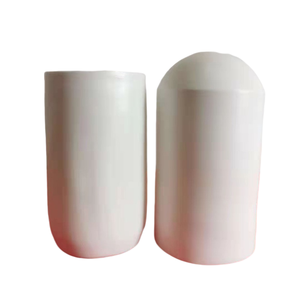
Dental Laboratory Quartz Ceramic Casting Crucible with Hood