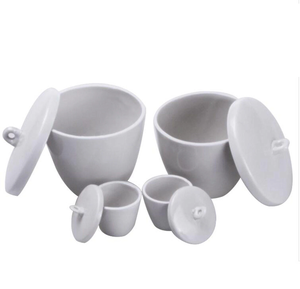
Next-Generation Ceramics: Unlocking Superior Properties for Industry

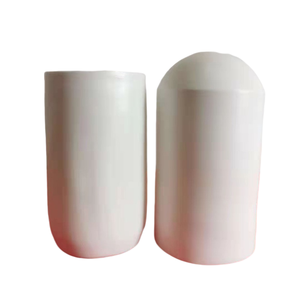
PRODUCT PARAMETERS
Description
Overview of Industrial Heat Resistant Alumina Ceramic Crucible Pot
A Ceramic Crucible is a vessel designed to withstand extreme temperatures for melting, calcining, or reacting chemical substances. Advanced ceramic crucibles are engineered from high-purity materials like Alumina, Zirconia, Boron Nitride, or Magnesia, chosen for their ability to contain specific molten materials without contamination or failure.
Features of Industrial Heat Resistant Alumina Ceramic Crucible Pot
- Extreme Temperature Resistance: Can operate continuously from 1000°C to over 1800°C, depending on the material.
- High Purity & Chemical Inertness: Minimizes reaction with and contamination of the melt (metal, glass, salt, ash).
- Excellent Thermal Shock Resistance: (Grade-dependent) Can withstand rapid heating and cooling cycles.
- Variety of Compositions & Designs: Tailored for specific applications (e.g., BN for reactive metals, ZrO₂ for precious metals, MgO for basic slags).
- Durable & Reusable: High-quality crucibles can survive multiple cycles, providing long service life.
Specifications of Industrial Heat Resistant Alumina Ceramic Crucible Pot
Industrial Heat Resistant Alumina Ceramic Crucible Pot– Trick Specs
Material and Pureness
This crucible pot is made from high-purity alumina ceramic. The product includes 99.5% or even more aluminum oxide (Al ₂ O FOUR). This high pureness provides the crucible superb resistance to warmth, rust, and chemical reactions. It stays stable even when subjected to hostile compounds like acids, antacid, and molten metals.
Temperature level Resistance
The crucible can deal with continual use at temperature levels approximately 1700 ° C (3092 ° F). It will certainly not crack, warp, or degrade under extreme heat. Thermal shock resistance is solid, so it can go from room temperature to high warmth rapidly without damage. This makes it suitable for repeated home heating and cooling cycles in commercial settings.
Physical Features
Thickness arrays from 3.6 to 3.9 g/cm THREE. The firmness is around 9 on the Mohs range, which suggests it stands up to scraping and put on. Its reduced thermal development assists maintain sizes and shape throughout temperature modifications. Porosity is kept below 0.5%, ensuring minimal absorption of fluids or gases.
Design and Dimensions
Available in typical sizes from 10 mL to 500 mL capability. Personalized forms and quantities can additionally be made upon request. Wall thickness is consistent to support even warmth circulation. Each crucible has a smooth indoor surface area to stop example contamination and make cleansing easier.
Applications
This crucible is widely used in labs and sectors. Typical usages consist of melting rare-earth elements, ash testing, high-temperature sintering, and chemical evaluation. It functions well in heating systems, kilns, and various other high-heat tools. Its reliability and resilience make it a trusted selection for demanding thermal procedures.
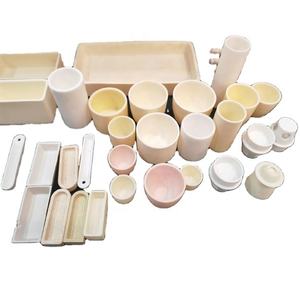
Applications of Industrial Heat Resistant Alumina Ceramic Crucible Pot
Applications of Industrial Warm Resistant Alumina Porcelain Crucible Pot
Steel and Alloy Processing
Alumina ceramic crucibles take care of very heats without breaking down. They are commonly utilized in melting and casting steels like light weight aluminum, copper, and priceless alloys. These pots stand up to chemical reactions with liquified steel, so the final product remains pure. Their strong structure likewise supports repeated home heating and cooling down cycles.
Glass Manufacturing
In glass production, regular heat and clean materials matter a great deal. Alumina crucibles hold liquified glass without including pollutants. They function well in small-scale laboratories and huge commercial configurations. Since they do not split conveniently under thermal stress and anxiety, they assist maintain smooth, continuous operations.
Ceramics and Refractory Screening
Scientists and suppliers use these crucibles to evaluate new ceramic formulas or refractory products. The high purity of alumina makes sure test results are precise. It does not conflict with the sample being heated up. This makes the crucible ideal for quality control and material advancement.
Chemical and Laboratory Usage
Labs depend on alumina crucibles for ashing, ignition, and high-temperature responses. They take on strong acids and bases far better than numerous other ceramics. Their smooth surface area stops deposit build-up, that makes cleansing much easier and decreases cross-contamination in between examinations.
Electronics and Semiconductor Industry
When making electronic elements, also tiny contaminants can create failure. Alumina crucibles use a clean, stable atmosphere for processing resources like oxides and powders. Their electric insulation residential properties also add security during high-heat treatments.
These crucibles are constructed to last. They maintain their shape and toughness also after lengthy exposure to severe warm. That is why sectors trust them for jobs where dependability and purity can not be endangered.

Company Profile
Synthetic-chemical focus on the research and development, production and sales of ceramic products, serving the electronics, ceramics, chemical and other industries. Since its establishment in 2015, the company has been committed to providing customers with the best products and services, and has become a leader in the industry through continuous technological innovation and strict quality management.
Our products includes but not limited to Aluminum Nitride, Aluminum Oxide, Boron Carbide, Boron Nitride, Ceramic Crucible, ect. If you are interested in any type of these, please feel free to contact us.

Payment Methods
T/T, Western Union, Paypal, Credit Card etc.
Shipment Methods
By air, by sea, by express, as customers request.
5 FAQs of Industrial Heat Resistant Alumina Ceramic Crucible Pot
Common Questions About Industrial Heat Resistant Alumina Ceramic Crucible Pots
What is an alumina ceramic crucible pot used for?
This pot holds materials at very high temperatures. Labs and factories use it to melt metals, heat chemicals, or run high-temperature reactions. It works well because it does not react with most substances and stays strong even when hot.
Why choose alumina over other ceramics?
Alumina has a higher melting point than many other ceramics. It also resists wear, corrosion, and thermal shock better. That means it lasts longer and performs more reliably in tough industrial settings.
Can it handle sudden temperature changes?
Yes, but with limits. Alumina ceramic handles thermal shock better than glass or regular pottery. Still, you should heat and cool it slowly. Fast changes can cause cracks or breakage.
How do I clean the crucible after use?
Let it cool down completely first. Then remove any leftover material with a soft brush or scraper. Do not use water on a hot crucible. For stubborn residue, soak it in a mild acid or cleaning solution approved for lab use. Rinse well and dry before reuse.
What temperatures can it withstand?
Most industrial-grade alumina crucibles work safely up to 1700°C (3092°F). Some high-purity versions go even higher. Always check the product specs for exact limits. Staying within those limits keeps the crucible safe and effective.
REQUEST A QUOTE
RELATED PRODUCTS
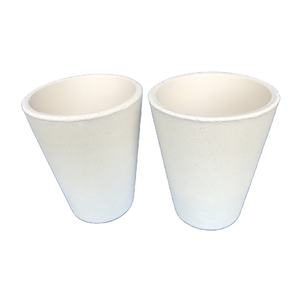
Strong Heat and Corrosion Resistant Zirconia Ceramic Crucible
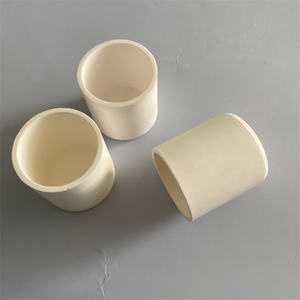
High Purity Alumina Ceramic and Corundum Crucible for Use
Dental Laboratory Quartz Ceramic Casting Crucible with Hood
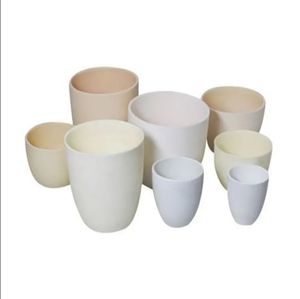
Yttrium Oxide Yttria Ceramic Crucible for High Temperature
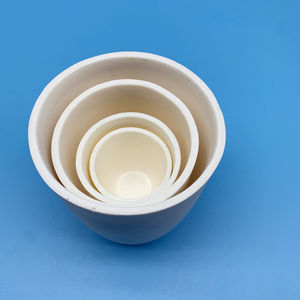
Laboratory Ceramic Crucible for Melting Frit and Glass Materials