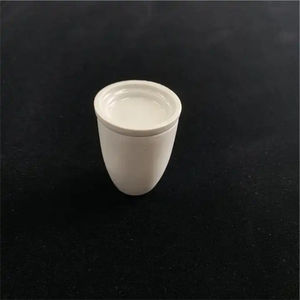
Next-Generation Ceramics: Unlocking Superior Properties for Industry

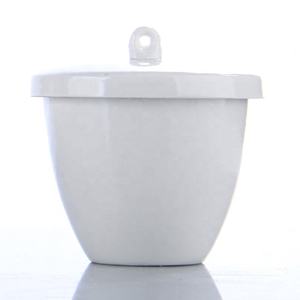
PRODUCT PARAMETERS
Description
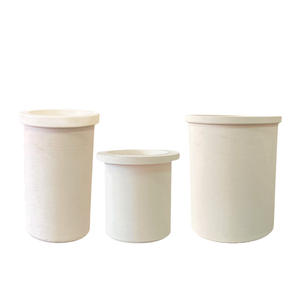
Overview of Industrial Heat Resistant Alumina Ceramic Crucible Pot
A Ceramic Crucible is a vessel designed to withstand extreme temperatures for melting, calcining, or reacting chemical substances. Advanced ceramic crucibles are engineered from high-purity materials like Alumina, Zirconia, Boron Nitride, or Magnesia, chosen for their ability to contain specific molten materials without contamination or failure.
Features of Industrial Heat Resistant Alumina Ceramic Crucible Pot
- Extreme Temperature Resistance: Can operate continuously from 1000°C to over 1800°C, depending on the material.
- High Purity & Chemical Inertness: Minimizes reaction with and contamination of the melt (metal, glass, salt, ash).
- Excellent Thermal Shock Resistance: (Grade-dependent) Can withstand rapid heating and cooling cycles.
- Variety of Compositions & Designs: Tailored for specific applications (e.g., BN for reactive metals, ZrO₂ for precious metals, MgO for basic slags).
- Durable & Reusable: High-quality crucibles can survive multiple cycles, providing long service life.
Specifications of Industrial Heat Resistant Alumina Ceramic Crucible Pot
Industrial Heat Resistant Alumina Ceramic Crucible Pot– Trick Specs
Product and Purity
This crucible pot is made from high-purity alumina ceramic. The product includes 99.5% aluminum oxide (Al two O ₃). This high purity level makes certain solid resistance to chemical rust and thermal shock. It remains stable also when revealed to hostile acids, antacid, or molten metals.
Temperature level Resistance
The crucible can take care of continual use at temperatures up to 1700 ° C(3092 ° F ). It preserves its shape and toughness under extreme heat. Temporary direct exposure can get to 1800 ° C (3272 ° F) without breaking or deforming.
Physical Qualities
The pot has a thick, non-porous framework. This lowers the danger of contamination throughout high-temperature procedures. Its hardness places 9 on the Mohs scale , making it very scratch-resistant. The common density is 3.95 g/cm TWO , and the thermal expansion coefficient is reduced– about 7.5 × 10 ⁻⁶/ ° C — which helps prevent breaking during rapid heating or air conditioning.
Measurements and Customization
Standard sizes range from 10 mL to 500 mL capability. Usual shapes include round and conelike designs. Wall surface density normally determines in between 3 mm and 6 mm , relying on size. Custom-made dimensions, quantities, and forms are offered upon demand to satisfy particular commercial needs.
Applications
This crucible is widely made use of in labs and sectors for melting, calcining, and ashing products. It functions well with precious metals, glass, ceramics, and high-purity oxides. Its inert surface makes it suitable for analytical chemistry, metallurgy, and products research study where example stability is essential.
Handling and Care
Constantly preheat the crucible gradually prior to full-temperature usage. Stay clear of sudden temperature adjustments. Tidy with soft brushes or moderate solvents– never make use of abrasive devices. Shop in a dry location to prevent moisture absorption, which could affect performance during heating.
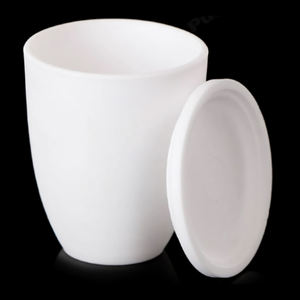
Applications of Industrial Heat Resistant Alumina Ceramic Crucible Pot
Applications of Industrial Heat Resistant Alumina Ceramic Crucible Pots
High-Temperature Product Handling
Alumina ceramic crucible pots manage severe warmth without breaking down. They are made use of in melting, sintering, and calcining procedures. These processes typically run over 1600 ° C. The pots remain secure and do not respond with the majority of molten metals or slags. This makes them suitable for laboratories and factories that work with responsive or corrosive materials.
Metal and Alloy Manufacturing
In foundries and metal refining plants, these crucibles hold molten aluminum, copper, nickel, and their alloys. Their high pureness protects against contamination of the final product. Also after duplicated heating and cooling down cycles, the pots maintain their form and stamina. Operators count on them for consistent outcomes batch after set.
Glass and Ceramics Manufacturing
Glassmakers make use of alumina crucibles to thaw raw glass sets. The product stands up to assault from liquified glass and prevents presenting pollutants. In innovative ceramics production, the pots sustain shooting of technical ceramic parts. Their thermal shock resistance guarantees they endure rapid temperature modifications throughout packing and dumping.
Chemical and Laboratory Usage
Study laboratories pick these crucibles for sample prep work and ash screening. They withstand aggressive acids and bases at heats. Sanitation and inertness are vital here– alumina supplies both. Specialists can reuse the very same pot many times without fretting about cross-contamination.
Electronic Devices and Semiconductor Market
During crystal development or wafer handling, even tiny contaminations spoil products. Alumina crucibles offer a tidy, non-reactive setting. They assist keep the ultra-high pureness required in semiconductor manufacturing. Their electric insulation also includes safety and security in high-voltage setups.

Company Profile
Synthetic-chemical focus on the research and development, production and sales of ceramic products, serving the electronics, ceramics, chemical and other industries. Since its establishment in 2015, the company has been committed to providing customers with the best products and services, and has become a leader in the industry through continuous technological innovation and strict quality management.
Our products includes but not limited to Aluminum Nitride, Aluminum Oxide, Boron Carbide, Boron Nitride, Ceramic Crucible, ect. If you are interested in any type of these, please feel free to contact us.

Payment Methods
T/T, Western Union, Paypal, Credit Card etc.
Shipment Methods
By air, by sea, by express, as customers request.
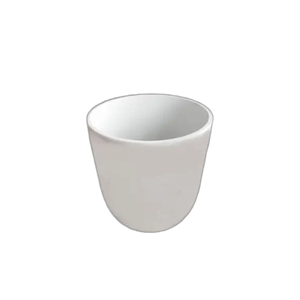
5 FAQs of Industrial Heat Resistant Alumina Ceramic Crucible Pot
Frequently Asked Questions About Industrial Heat Resistant Alumina Ceramic Crucible Pots
What is an alumina ceramic crucible pot used for?
This crucible pot holds and melts materials at very high temperatures. People use it in labs and factories to process metals, glass, or chemicals. It works well because it stays strong even when heated above 1600°C.
Why choose alumina over other ceramics?
Alumina has better heat resistance and strength than many other ceramics. It does not crack easily under thermal stress. It also resists corrosion from acids and molten metals. That makes it reliable for tough industrial jobs.
Can this crucible handle rapid temperature changes?
Yes, but with care. Alumina ceramic handles heat well, yet sudden changes can still cause damage. Always heat and cool the crucible slowly. This reduces stress and helps it last longer.
How do I clean and maintain the crucible?
Let the crucible cool down fully before cleaning. Use a soft brush or cloth to remove residue. Do not use sharp tools—they can scratch or chip the surface. Store it in a dry place to avoid moisture buildup.
Is this crucible safe for repeated high-temperature use?
Yes. These pots are made for repeated heating cycles. Their dense alumina structure keeps them stable over time. Still, check for cracks or wear before each use. Replace the crucible if you see any damage to stay safe.
REQUEST A QUOTE
RELATED PRODUCTS
High Purity High Temperature Zirconia Quartz Alumina Crucibles For R&D
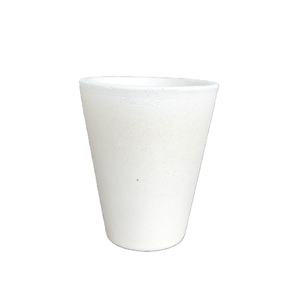
High Purity Magnesium Oxide Ceramic Rectangular Crucible Boat
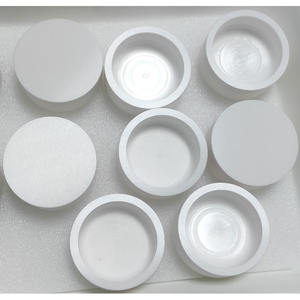
High Temperature Resistant 99 Aluminum Oxide Ceramic Cup Crucible Insulator
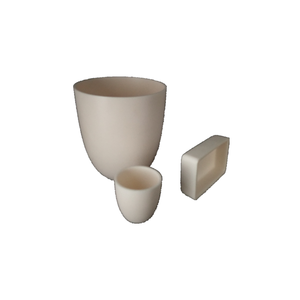
High Purity Alumina Ceramic Crucible for Laboratory Furnace
High Alumina Corundum Ceramic Crucible Conical Shape for Industry