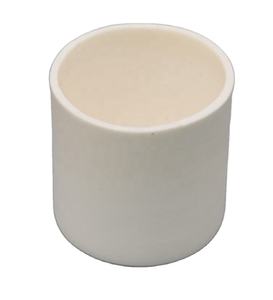
Next-Generation Ceramics: Unlocking Superior Properties for Industry

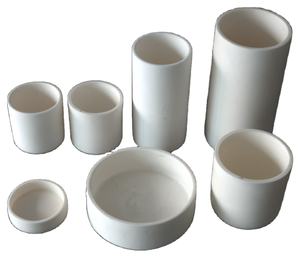
PRODUCT PARAMETERS
Description
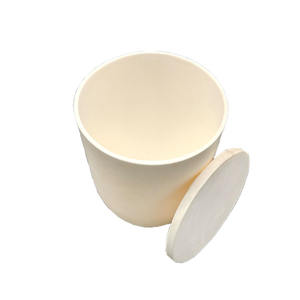
Overview of Laboratory Fused Silica Quartz Ceramic Crucible for Melting
A Ceramic Crucible is a vessel designed to withstand extreme temperatures for melting, calcining, or reacting chemical substances. Advanced ceramic crucibles are engineered from high-purity materials like Alumina, Zirconia, Boron Nitride, or Magnesia, chosen for their ability to contain specific molten materials without contamination or failure.
Features of Laboratory Fused Silica Quartz Ceramic Crucible for Melting
- Extreme Temperature Resistance: Can operate continuously from 1000°C to over 1800°C, depending on the material.
- High Purity & Chemical Inertness: Minimizes reaction with and contamination of the melt (metal, glass, salt, ash).
- Excellent Thermal Shock Resistance: (Grade-dependent) Can withstand rapid heating and cooling cycles.
- Variety of Compositions & Designs: Tailored for specific applications (e.g., BN for reactive metals, ZrO₂ for precious metals, MgO for basic slags).
- Durable & Reusable: High-quality crucibles can survive multiple cycles, providing long service life.
Specifications of Laboratory Fused Silica Quartz Ceramic Crucible for Melting
Requirements of Research Laboratory Fused Silica Quartz Porcelain Crucible for Thawing
Product and Purity
This crucible is made from high-purity integrated silica quartz. The product consists of over 99.9% SiO TWO. It has really low levels of metal contaminations. This ensures very little contamination during high-temperature processes.
Temperature level Resistance
The crucible can manage continual use up to 1200 ° C(2192 ° F). It endures short-term exposure up to 1400 ° C (2552 ° F). Thermal shock resistance is outstanding due to the reduced coefficient of thermal growth in fused silica.
Measurements and Ability
Requirement sizes range from 10 mL to 500 mL volume. Wall surface density is usually between 1.5 mm and 3 mm, depending on size. Each crucible includes specific internal and outside diameter measurements. Height differs to match capacity demands. Customized dimensions are available upon demand.
Surface and End up
The inner surface is smooth to stop sample adhesion and simplicity cleansing. The external surface area may have a matte or somewhat textured finish for much better handling. All edges are very carefully rounded to stay clear of damaging.
Chemical Stability
Fused silica quartz shows strong resistance to the majority of acids, consisting of hydrochloric, nitric, and sulfuric acid. It does not respond with several molten metals or salts. However, it is not ideal for use with hydrofluoric acid or strong antacids like sodium hydroxide at high temperatures.
Applications
This crucible is perfect for melting, ashing, and warmth treatment in labs. Usual uses consist of sample prep work for spectroscopy, blend of geological examples, and high-purity metal processing. It works well in muffle furnaces, tube heaters, and induction home heating configurations.
Taking care of Notes
Always preheat the crucible slowly to avoid thermal anxiety. Use clean tongs to manage it when warm. Shop in a completely dry area away from dust and wetness. Avoid abrupt temperature level changes during use or air conditioning.
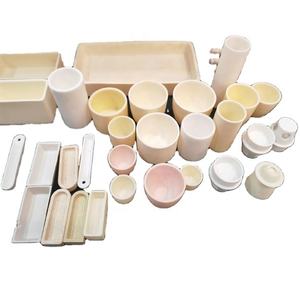
Applications of Laboratory Fused Silica Quartz Ceramic Crucible for Melting
Applications of Laboratory Fused Silica Quartz Porcelain Crucible for Thawing
High-Temperature Melting in Study Labs
The merged silica quartz ceramic crucible is developed for requiring laboratory job. It manages extremely high temperatures without damaging down. Researchers use it to thaw steels, glasses, and other products that need clean, secure problems. Its pure make-up stops unwanted reactions throughout heating.
Pureness and Chemical Security
This crucible resists most acids and does not respond with several molten substances. That makes it excellent for preparing examples where even little pollutants ruin results. Labs trust fund it for tasks like expanding solitary crystals or cleansing uncommon planet components. The product remains intact even after repeated heating and cooling cycles.
Thermal Shock Resistance
Sudden temperature level modifications can break ordinary containers. Merged silica quartz deals with these changes well. Researchers relocate straight from a hot heater to a cooler surface area without fear of breakage. This integrity conserves time and decreases waste in experiments.
Usage in Analytical Instruments
The crucible works inside crucial laboratory tools like induction heaters, arc melters, and X-ray fluorescence (XRF) sample preparation systems. Its smooth surface area aids create consistent thaws. Experts get consistent data since the crucible itself includes no interference.
Handling Reactive and Harsh Materials
Some experiments involve aggressive chemicals or reactive steels like light weight aluminum or titanium. Criterion ceramics fail here. Fused silica quartz stands up. It protects both the example and the equipment, offering safer, cleaner end results.
Flexibility Across Industries
Past scholastic laboratories, this crucible sustains operate in electronics, aerospace, and materials scientific research. It assists develop brand-new alloys, fiber optics, and semiconductor products. Wherever extreme warmth and purity matter, this device supplies trustworthy performance.

Company Profile
Synthetic-chemical focus on the research and development, production and sales of ceramic products, serving the electronics, ceramics, chemical and other industries. Since its establishment in 2015, the company has been committed to providing customers with the best products and services, and has become a leader in the industry through continuous technological innovation and strict quality management.
Our products includes but not limited to Aluminum Nitride, Aluminum Oxide, Boron Carbide, Boron Nitride, Ceramic Crucible, ect. If you are interested in any type of these, please feel free to contact us.

Payment Methods
T/T, Western Union, Paypal, Credit Card etc.
Shipment Methods
By air, by sea, by express, as customers request.
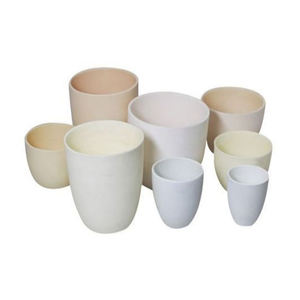
5 FAQs of Laboratory Fused Silica Quartz Ceramic Crucible for Melting
Frequently Asked Questions About Laboratory Fused Silica Quartz Ceramic Crucibles for Melting
What is a fused silica quartz ceramic crucible?
It is a high-purity container made from fused silica. This material can handle very high temperatures without breaking down. Labs use it to melt or heat materials that need extreme heat and chemical stability.
Why choose fused silica over other materials?
Fused silica has excellent thermal shock resistance. It does not crack easily when heated or cooled quickly. It also resists most acids and stays chemically inert. This makes it safer and more reliable for sensitive lab work.
What temperature range can it handle?
These crucibles work well up to 1,200°C (2,192°F) in normal use. Short-term exposure can go higher, but long use above 1,200°C may cause deformation or devitrification. Always check your specific application needs before heating.
Can I reuse the crucible?
Yes, you can reuse it if it shows no cracks, discoloration, or surface damage. Clean it carefully after each use with proper lab cleaning methods. Avoid sudden temperature changes during cleaning or reheating to prevent breakage.
How should I handle and store the crucible?
Always wear gloves to avoid skin oils that might affect performance. Store it in a dry, dust-free place. Keep it away from sharp objects or heavy items that could cause chips or cracks. Handle it gently—fused silica is strong under heat but fragile under impact.
REQUEST A QUOTE
RELATED PRODUCTS
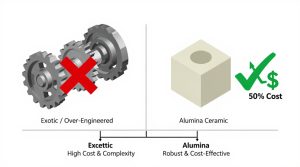
Lab Glassware Ceramics Core Crucible 30ml 40ml 60ml G1 G5
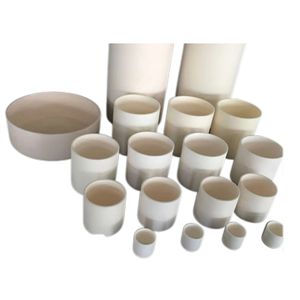
High Purity Alumina Ceramic Boat Pot Fireclay Crucible for Furnace
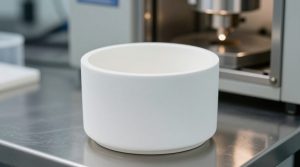
Whole Customized High Temperature Alumina Al2O3 Ceramic Crucible Pot
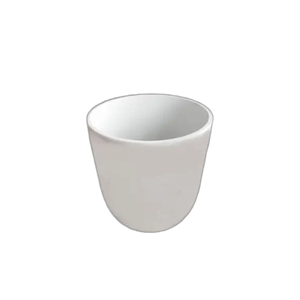
High Temperature Resistance Graphite Crucible for Ceramic Industry
Refractory Aluminum Ceramic Cordierite Mullite Saggar Corundum Sagger