Next-Generation Ceramics: Unlocking Superior Properties for Industry

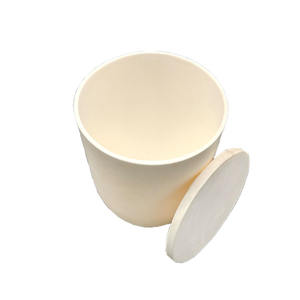
PRODUCT PARAMETERS
Description
Overview of Refractory Aluminum Ceramic Cordierite Mullite Saggar Corundum Sagger
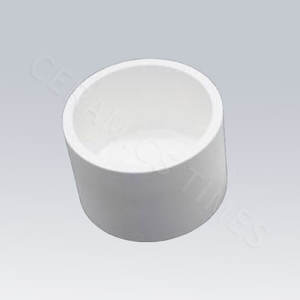
A Ceramic Crucible is a vessel designed to withstand extreme temperatures for melting, calcining, or reacting chemical substances. Advanced ceramic crucibles are engineered from high-purity materials like Alumina, Zirconia, Boron Nitride, or Magnesia, chosen for their ability to contain specific molten materials without contamination or failure.
Features of Refractory Aluminum Ceramic Cordierite Mullite Saggar Corundum Sagger
- Extreme Temperature Resistance: Can operate continuously from 1000°C to over 1800°C, depending on the material.
- High Purity & Chemical Inertness: Minimizes reaction with and contamination of the melt (metal, glass, salt, ash).
- Excellent Thermal Shock Resistance: (Grade-dependent) Can withstand rapid heating and cooling cycles.
- Variety of Compositions & Designs: Tailored for specific applications (e.g., BN for reactive metals, ZrO₂ for precious metals, MgO for basic slags).
- Durable & Reusable: High-quality crucibles can survive multiple cycles, providing long service life.
Specifications of Refractory Aluminum Ceramic Cordierite Mullite Saggar Corundum Sagger
Refractory Saggar Product Specs
Material Structure
This saggar is made from high-purity light weight aluminum ceramic, cordierite, mullite, and corundum. These materials work together to give the item strong heat resistance and lengthy life span. The specific mix can be adjusted based upon customer needs for specific shooting problems.
Secret Qualities
High thermal security: The saggar maintains its shape and strength even after duplicated heating and cooling down cycles.
Reduced thermal development: It increases very little when heated up, which lowers fracturing or warping throughout usage.
Great chemical resistance: It stands up to reactions with glazes, fluxes, and various other materials typically found in kilns.
High tons capability: It sustains hefty tons without warping at temperatures as much as 1600 ° C (2912 ° F).
Physical Features
Typical density arrays from 2.3 to 2.6 g/cm FOUR. Porosity is maintained low– generally under 18%– to restrict wetness absorption and improve longevity. The color is light grey to off-white, relying on the set and material mix.
Common Shapes And Sizes
Conventional saggars can be found in round, square, or rectangular forms. Typical measurements consist of 200 × 200 × 100 mm, 250 × 250 × 120 mm, and 300 × 300 × 150 mm. Customized dimensions are available upon demand. Wall surface thickness normally varies from 15 mm to 25 mm for balanced toughness and warmth transfer.
Applications
These saggars are utilized in ceramic, porcelain, and technological ceramic firing procedures. They shield ware from direct fire contact and assistance preserve consistent temperature level circulation inside the kiln. Suitable for both electric and gas-fired kilns operating in oxidation or reduction atmospheres.
Dealing with Notes
Constantly take care of with like prevent cracking or fracturing. Shop in a dry place prior to use. Pre-drying is advised if the saggar has been subjected to wetness. Steady heating during the first couple of shootings aids extend its life-span.
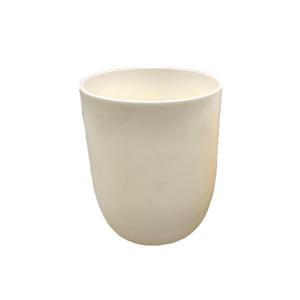
Applications of Refractory Aluminum Ceramic Cordierite Mullite Saggar Corundum Sagger
Applications of Refractory Light Weight Aluminum Porcelain Cordierite Mullite Saggar Diamond Sagger
High-Temperature Industrial Use
These saggars are constructed to take care of severe warm. They work well in kilns and heaters where temperatures exceed 1,300 ° C. Their strong framework keeps shape and size also after repeated cooling and heating. This makes them suitable for firing porcelains, porcelain, and technical parts.
Ceramic and Porcelain Production
In ceramic manufacturing, saggers protect fragile items throughout shooting. They stop direct fire get in touch with and reduce bending or splitting. Cordierite-mullite blends provide reduced thermal growth, so they withstand abrupt temperature changes. Corundum-based saggars add extra toughness for hefty loads or long cycles.
Electronics and Advanced Products
These saggars also offer in making digital elements like insulators and substratums. Their purity prevents contamination throughout high-temperature processing. Aluminum-rich make-ups make certain chemical security when dealing with reactive materials.
Metallurgy and Heat Therapy
Shops and metal therapy shops use these saggars to hold metal components during annealing or sintering. The material withstands steel slag and oxidation. It likewise maintains integrity under mechanical stress and anxiety and thermal shock.
Personalized Shapes for Unique Requirements
Makers can form saggars to fit certain kiln configurations or product lines. Whether square, round, or custom-designed, they keep consistent performance. This adaptability sustains both tiny workshops and large-scale factories.
Durability and Performance
Thanks to their thick microstructure, these saggers last much longer than basic choices. They reduced substitute expenses and downtime. Their light-weight nature– especially cordierite kinds– additionally saves power throughout heating cycles. Users get reputable results set after batch without top quality loss.

Company Profile
Synthetic-chemical focus on the research and development, production and sales of ceramic products, serving the electronics, ceramics, chemical and other industries. Since its establishment in 2015, the company has been committed to providing customers with the best products and services, and has become a leader in the industry through continuous technological innovation and strict quality management.
Our products includes but not limited to Aluminum Nitride, Aluminum Oxide, Boron Carbide, Boron Nitride, Ceramic Crucible, ect. If you are interested in any type of these, please feel free to contact us.

Payment Methods
T/T, Western Union, Paypal, Credit Card etc.
Shipment Methods
By air, by sea, by express, as customers request.
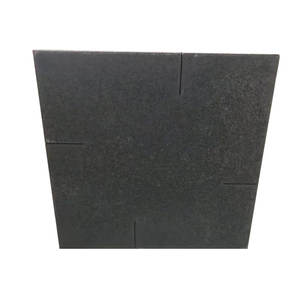
5 FAQs of Refractory Aluminum Ceramic Cordierite Mullite Saggar Corundum Sagger
What is a saggar made of?
Refractory aluminum ceramic cordierite mullite saggar
This saggar uses high-purity materials like cordierite, mullite, and corundum. These ingredients give it strong heat resistance and good thermal shock performance. The mix helps the saggar stay stable during repeated heating and cooling cycles.
Why choose this type of saggar?
Better durability and reliability
It lasts longer than standard saggars. It resists cracking, warping, and chemical attack. This makes it ideal for firing ceramics, porcelain, or technical parts in electric or gas kilns. You get consistent results batch after batch.
How does it handle high temperatures?
Stable up to very high heat
The saggar works well at temperatures up to 1,600°C (2,912°F). Its structure stays intact without softening or deforming. That means your products stay protected during long or intense firings.
Is it easy to use in daily production?
Simple handling and stacking
Its shape and strength allow safe stacking in kilns. It’s lightweight compared to other refractory containers. Workers can move and load it without extra tools. Less breakage means fewer replacements and lower costs.
What industries use this saggar?
Common in advanced ceramics and more
It’s widely used in making electronic ceramics, sanitary ware, tableware, and labware. Also common in industries that need clean, contamination-free firing environments. Its inert surface keeps your products pure and defect-free.
REQUEST A QUOTE
RELATED PRODUCTS
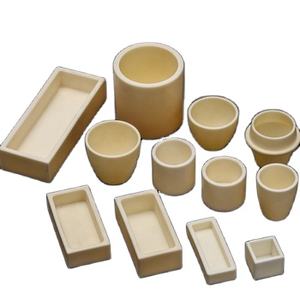
High Temperature Resistant Alumina Ceramic Crucible Tray
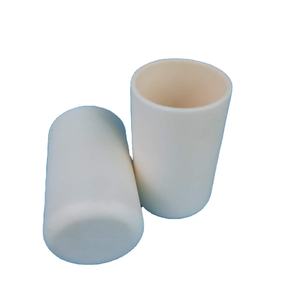
Factory Laboratory Metal Smelting Aluminum Oxide Ceramic Crucible
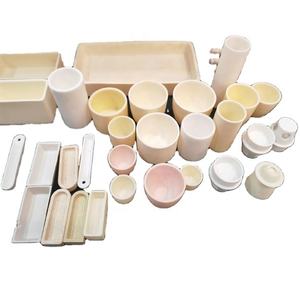
High Purity Alumina Ceramic Bowl Crucible for Thermal Analysis
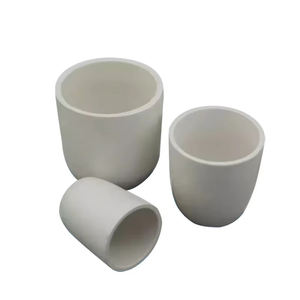
Custom Beryllium Oxide Beryllia Ceramic Pot BeO Crucibles
High Density Dental Zirconia Sintering Tray Ceramic Crucible