Next-Generation Ceramics: Unlocking Superior Properties for Industry

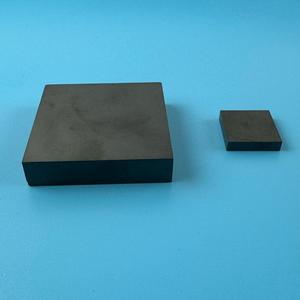
PRODUCT PARAMETERS
Description
Overview of High Purity Quartz for Ultra Durable Ceramics
Quartz ceramics, also known as fused silica ceramics or re-bonded quartz products, are a high-performance advanced ceramic material. Unlike traditional clay-based ceramics, they are not made by sintering clay, but rather from high-purity fused silica (silicon dioxide, SiO₂) that is crushed, shaped, and then sintered at high temperatures.
Their core appeal lies in their unique combination of the excellent properties of fused silica glass (such as extremely low thermal expansion coefficient and excellent thermal shock stability) and the structural strength and versatility of ceramics (they can be made into crucibles, rollers, and irregularly shaped parts), overcoming the limitations of fused silica glass in terms of difficulty in manufacturing large sizes and complex shapes, and its high cost.
Quartz ceramics perform exceptionally well in harsh environments involving high temperatures, rapid temperature changes, and chemical corrosion, and are widely used in solar photovoltaics (crucibles for polycrystalline silicon ingot furnaces), semiconductors, aerospace, metallurgy and casting, the glass industry, and laboratories.
Main Characteristics of High Purity Quartz for Ultra Durable Ceramics
Excellent Thermal Shock Stability: They have an extremely low thermal expansion coefficient, generating almost no thermal stress during rapid temperature changes, and can withstand rapid cooling from extremely high temperatures to room temperature without cracking.
Extremely High Temperature Resistance and Thermal Stability: They can be used continuously at temperatures of 1100°C – 1350°C, and can even withstand higher temperatures for short periods. They do not soften or deform at high temperatures and maintain good dimensional stability.
Excellent Chemical Inertness and Corrosion Resistance: Except for hydrofluoric acid and hot concentrated phosphoric acid, they have strong resistance to most acids, salt solutions, and molten metals (such as aluminum, copper, gold, silver, and platinum), making them ideal melting and containment vessels.
Low Thermal Conductivity and Good Electrical Insulation: They have low thermal conductivity, making them excellent thermal insulation materials. They also maintain good electrical insulation properties at high temperatures.
High Purity and Low Contamination Risk: Made from high-purity quartz sand, they do not contaminate the high-purity molten metals or semiconductor materials they come into contact with, ensuring process cleanliness.
Moderate Mechanical Strength: Compared to most engineering ceramics, their mechanical strength at room temperature is relatively low; they are brittle materials. However, their strength is sufficient under their designed operating conditions (high-temperature insulation, thermal shock resistance). Its strength can be improved by optimizing the formula and manufacturing process.
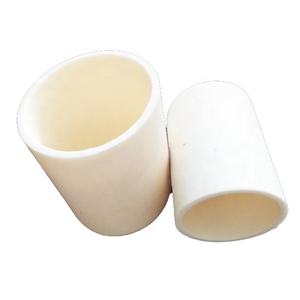
Specifications of High Purity Quartz for Ultra Durable Ceramics
Specs of High Purity Quartz for Ultra Resilient Ceramics
Purity and Make-up
High pureness quartz used in ultra sturdy porcelains includes at the very least 99.95% SiO ₂. Contaminations like iron, aluminum, titanium, and alkali steels are kept to a minimum. Iron web content remains listed below 10 components per million (ppm). This degree of purity ensures the last ceramic item continues to be secure under high heat and severe problems.
Bit Size and Distribution
The quartz powder is very carefully grated to satisfy rigorous particle dimension needs. Most grades range from 1 to 45 microns. The distribution is narrow and consistent. This aids accomplish consistent blending and densification during ceramic creating. Fine control over grain size prevents issues and enhances mechanical toughness.
Moisture and Volatiles
Wetness material is maintained under 0.05%. Reduced levels of volatiles protect against gas development during shooting. This lowers the risk of bubbles, fractures, or warping in the ended up ceramic parts.
Thermal Security
Quartz with this purity shows excellent thermal shock resistance. It keeps structural honesty when exposed to rapid temperature modifications. This makes it ideal for applications like kiln furniture, semiconductor parts, and aerospace parts.
Shade and Appearance
The product appears as a brilliant white or colorless powder. Any kind of discoloration typically indicates contamination. Aesthetic assessment is part of quality control to guarantee set consistency.
Product packaging and Handling
Each batch is sealed in moisture-proof containers. Product packaging protects against direct exposure to humidity and air-borne fragments. Proper handling prevents cross-contamination and maintains the quartz’s performance in ceramic production.
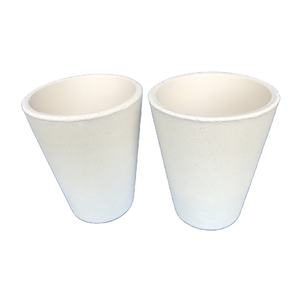
Applications of High Purity Quartz for Ultra Durable Ceramics
Applications of High Pureness Quartz in Ultra-Durable Ceramics
Why High Purity Quartz Matters
High pureness quartz is a crucial product in making ultra-durable ceramics. It contains extremely little iron, aluminum, or other pollutants. This degree of tidiness offers the final ceramic item much better stamina, heat resistance, and stability.
Usage in Industrial Ceramics
Makers utilize high pureness quartz to produce porcelains that need to handle severe problems. These include furnace cellular linings, kiln shelves, and parts for glass-making tools. The quartz helps the ceramic remain solid even at extremely high temperatures. It also stops fractures from forming during repeated home heating and cooling cycles.
Function in Electronics and Semiconductors
In electronics, ultra-durable ceramics made with high purity quartz protect delicate parts. They are made use of in semiconductor manufacturing tools, where even small impurities can mess up a batch of chips. The quartz makes sure the ceramic keeps chemically inert and thermally steady throughout production.
Benefits in Aerospace and Protection
Aerospace systems need materials that do dependably under anxiety. Ceramics with high purity quartz are used in radomes, projectile nose cones, and thermal defense systems. Their reduced thermal growth implies they maintain their shape in quick temperature level modifications. This reliability is important for safety and security and performance.
Payment to Medical Tools
Some clinical implants and surgical devices additionally count on these innovative ceramics. High purity quartz boosts biocompatibility and put on resistance. That suggests the tools last much longer inside the body and trigger fewer issues.
Uniformity and Quality Control
Since high purity quartz has uniform homes, it aids suppliers generate regular ceramic batches. This reduces waste and ensures every part satisfies stringent industry standards. For industries like power, auto, and telecoms, this uniformity equates into lasting, trustworthy products.

Company Profile
Synthetic-chemical focus on the research and development, production and sales of ceramic products, serving the electronics, ceramics, chemical and other industries. Since its establishment in 2015, the company has been committed to providing customers with the best products and services, and has become a leader in the industry through continuous technological innovation and strict quality management.
Our products includes but not limited to Aluminum Nitride, Aluminum Oxide, Boron Carbide, Boron Nitride, Ceramic Crucible, ect. If you are interested in any type of these, please feel free to contact us.

Payment Methods
T/T, Western Union, Paypal, Credit Card etc.
Shipment Methods
By air, by sea, by express, as customers request.
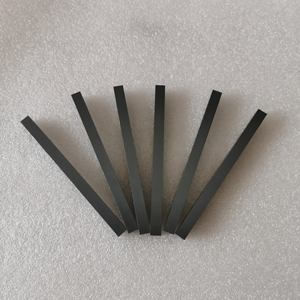
5 FAQs of High Purity Quartz for Ultra Durable Ceramics
What is high purity quartz?
High purity quartz is a natural mineral made mostly of silicon dioxide (SiO₂). It contains very few impurities—often less than 50 parts per million. This level of purity makes it ideal for demanding industrial uses, especially in ultra-durable ceramics.
Why is high purity important for ceramics?
Impurities like iron, aluminum, or alkali metals can weaken ceramic materials. They may cause cracks, discoloration, or reduced heat resistance. Using high purity quartz ensures consistent performance, better strength, and longer life in extreme conditions.
How does quartz improve ceramic durability?
Quartz adds structural stability and thermal shock resistance to ceramics. When heated or cooled quickly, pure quartz helps the material stay intact. This makes the final product more reliable in applications like aerospace components or high-temperature furnace linings.
Where is high purity quartz used in ceramics?
It is commonly used in technical ceramics for electronics, semiconductor manufacturing, and advanced refractories. These industries need materials that perform without failure under intense heat, pressure, or chemical exposure. High purity quartz meets those strict requirements.
How is high purity quartz processed for ceramics?
The raw quartz goes through several cleaning steps. These include crushing, acid leaching, magnetic separation, and high-temperature treatment. Each step removes unwanted elements to reach the required purity level. The final powder is then ready for ceramic formulation and shaping.
REQUEST A QUOTE
RELATED PRODUCTS

Quartz Ceramic Melting Fused Silica Crucible for Jewelry Industry
Porcelain Edge Polisher Quartz Grinding Machine Ceramic Processing
Customized Tabletop Racks Quartz Marble Granite Ceramic Sample Stand
New Automatic Ceramic Tile Marble Quartz Stone Pressing Forming Machine
Factory Supply Whole Mug Ceramic Heating Element Quartz