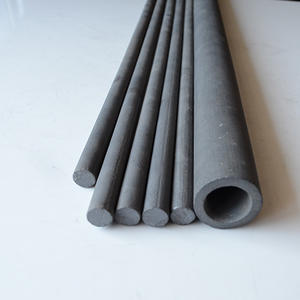
Next-Generation Ceramics: Unlocking Superior Properties for Industry

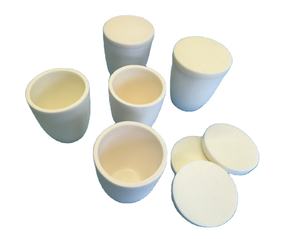
PRODUCT PARAMETERS
Description
Overview of SIC Tiles Special Components Sintered Silicon Carbide Ceramic Parts
Silicon Carbide (SiC) is a super-hard, synthetic ceramic material known for its outstanding thermal conductivity, exceptional wear resistance, and ability to maintain high strength at extreme temperatures. It excels in demanding mechanical, thermal, and corrosive environments where other materials fail.
Features of SIC Tiles Special Components Sintered Silicon Carbide Ceramic Parts
- Exceptional Wear & Abrasion Resistance: Extremely hard and durable, ideal for severe wear applications.
- High Thermal Conductivity: Excellent heat dissipation, superior to most metals at high temperatures.
- Superior Chemical Resistance: Resists attack by acids, alkalis, and molten metals.
- High-Temperature Strength: Maintains mechanical strength up to 1650°C.
- Excellent Thermal Shock Resistance: Withstands rapid temperature changes far better than Alumina.
- Semiconducting Properties: Can be engineered as an electrical conductor or insulator.
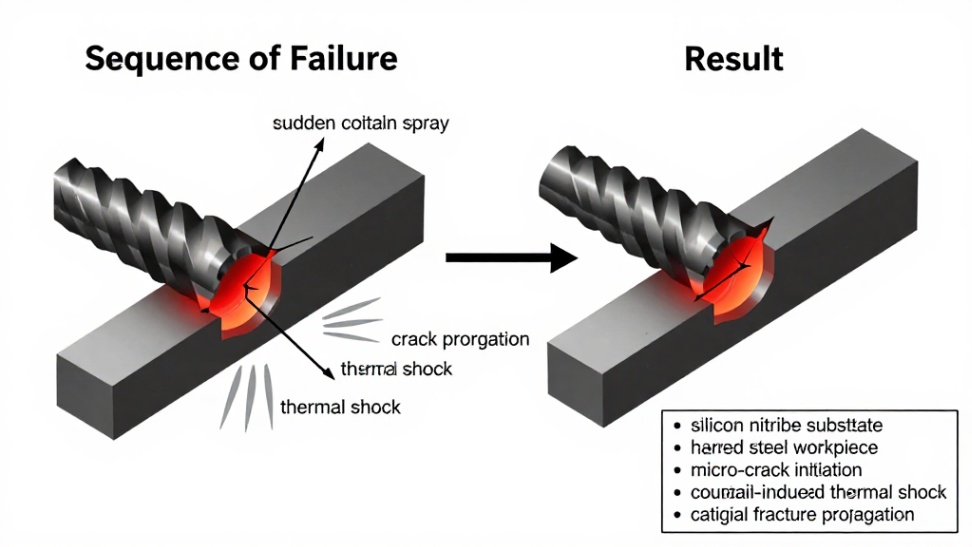
Specification of SIC Tiles Special Components Sintered Silicon Carbide Ceramic Parts
Requirements of SIC Tiles Unique Components– Sintered Silicon Carbide Porcelain Components
Product Make-up and Framework
These parts are made from high-purity sintered silicon carbide (SSiC). The material has over 98% SiC. It has a thick, fine-grained microstructure. This framework offers the components superb mechanical stamina and thermal stability.
Key Physical Properties
Thickness: 3.10– 3.15 g/cm FOUR.
Hardness: 2800– 3000 HV (Vickers).
Flexural Strength: ≥ 400 MPa.
Thermal Conductivity: 80– 120 W/m · K at area temperature level.
Thermal Development Coefficient: 4.5 × 10 ⁻⁶/ ° C (20– 400 °
C). The reduced thermal growth assists the parts maintain their form under fast temperature changes. High thermal conductivity permits fast warm dissipation.
Performance Advantages
Sintered silicon carbide offers superior wear resistance. It also resists rust from acids, antacid, and many hostile chemicals. These components function well in rough atmospheres as much as 1600 ° C in inert ambiences. They preserve efficiency under high stress and anxiety and broadband.
Usual Applications
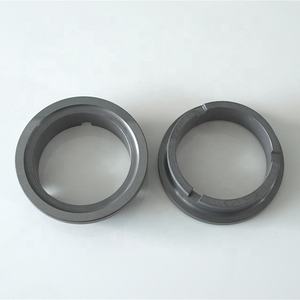
These parts are made use of in sealing rings, pump parts, nozzles, burner tips, and wear plates. Industries include chemical processing, semiconductor manufacturing, power generation, and metallurgy. Their reliability lowers downtime and maintenance costs.
Manufacturing and Tolerances
Parts are created by pressing and sintered at high temperatures without ingredients. Criterion dimensional tolerances vary from ± 0.1 mm to ± 0.02 mm, relying on size and intricacy. Custom shapes and limited resistances are readily available upon request. Surface finishes can be as smooth as Ra 0.2 µm after grinding or lapping.
Quality Assurance
Every batch undergoes stringent top quality checks. Examinations consist of thickness measurement, firmness testing, ultrasonic inspection, and aesthetic assessment. Certificates of conformity and test reports are offered with each order.
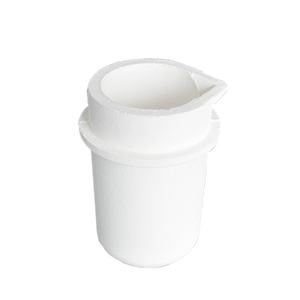
Applications of SIC Tiles Special Components Sintered Silicon Carbide Ceramic Parts
Applications of SIC Tiles and Special Components Made from Sintered Silicon Carbide Porcelain
Severe Atmospheres Need Reliable Products
Sintered silicon carbide (SiC) ceramic parts supply unequaled toughness and security where most materials stop working. These components handle extremely heats, solid acids, and intense wear without deteriorating. That’s why designers pick them for tough jobs across many markets.
Trick Uses in Sector
In chemical handling, SiC ceramic tiles and linings protect pumps, shutoffs, and pipelines from rust. They last much longer than metal or basic porcelains when revealed to harsh chemicals. In semiconductor manufacturing, SiC parts serve as wafer handling tools and chamber elements because they stay clean, withstand thermal shock, and do not pollute sensitive procedures.
Power generation additionally counts on sintered SiC. Gas generators and warmth exchangers use these porcelains to improve effectiveness and minimize downtime. Their capability to conduct heat while withstanding oxidation makes them excellent for warm zones in power systems.
Use Resistance Where It Issues Many
Mining and slurry transportation systems encounter constant abrasion. SiC wear plates, nozzles, and seals withstand gritty fluids and solids that swiftly wear out various other materials. This cuts upkeep expenses and keeps operations running smoothly.
In automobile and aerospace screening, SiC elements are used in brake systems and sensor real estates. They perform dependably under fast temperature level adjustments and mechanical anxiety.
Constructed for Precision and Sturdiness
Because sintered silicon carbide is made with a regulated process, each part fulfills limited resistances and constant quality standards. Designers depend on this predictability when constructing high-performance devices. Whether it’s a custom-shaped floor tile or a complicated mechanical seal, SiC delivers performance you can rely on– day after day, even in the toughest conditions.

Company Profile
Synthetic-chemical focus on the research and development, production and sales of ceramic products, serving the electronics, ceramics, chemical and other industries. Since its establishment in 2015, the company has been committed to providing customers with the best products and services, and has become a leader in the industry through continuous technological innovation and strict quality management.
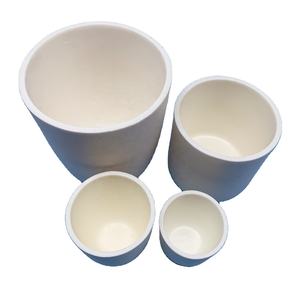
Our products includes but not limited to Aluminum Nitride, Aluminum Oxide, Boron Carbide, Boron Nitride, Ceramic Crucible, ect. If you are interested in any type of these, please feel free to contact us.

Payment Methods
T/T, Western Union, Paypal, Credit Card etc.
Shipment Methods
By air, by sea, by express, as customers request.
5 FAQs of SIC Tiles Special Components Sintered Silicon Carbide Ceramic Parts
Frequently Asked Questions About SIC Tiles Special Components
What are sintered silicon carbide ceramic parts?
These parts are made from high-purity silicon carbide powder. The powder is shaped and heated at very high temperatures without melting. This process creates a dense, strong material. It resists wear, heat, and corrosion better than most metals or standard ceramics.
Why choose sintered silicon carbide over other materials?
Sintered silicon carbide is harder than steel and many other ceramics. It keeps its strength even at high temperatures. It also does not rust or react with most chemicals. These features make it ideal for tough environments like pumps, seals, and industrial nozzles.
Can these parts handle extreme temperatures?
Yes. Sintered silicon carbide works well from room temperature up to 1,600°C (2,912°F) in air. It does not soften or crack easily under thermal stress. This makes it reliable in furnaces, heat exchangers, and other high-heat applications.
Are SIC Tiles parts suitable for corrosive environments?
Absolutely. Silicon carbide resists almost all acids, alkalis, and solvents. It will not degrade in harsh chemical settings. That’s why it’s widely used in chemical processing, wastewater treatment, and semiconductor manufacturing.
How long do these components last?
They last much longer than metal or oxide ceramic parts in demanding conditions. Their hardness reduces wear. Their stability prevents breakdown from heat or chemicals. With proper use, they can operate for years without replacement. This lowers maintenance costs and downtime.
REQUEST A QUOTE
RELATED PRODUCTS
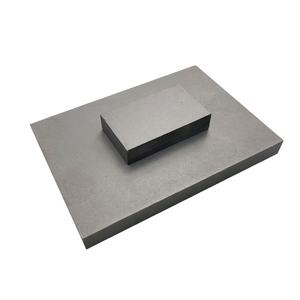
Refractory Silicon Carbide Ceramic Sagger and Crucible
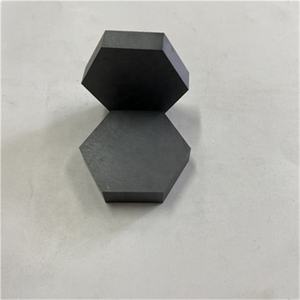
OEM Customized Refractory Silicon Carbide Ceramic Burner Nozzles
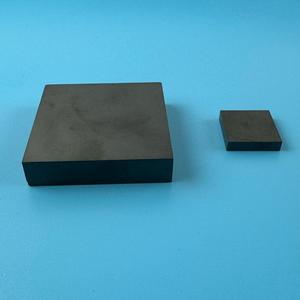
High Temperature Silicon Carbide Ceramic Pipe Lining
Sintered Hexagonal Silicon Carbide Ceramic Tile
Silicon Carbide Ceramic Abrasive Cutting Disc for Stone Ceramic Granite