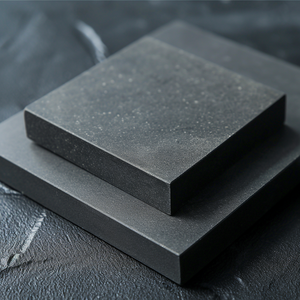
Next-Generation Ceramics: Unlocking Superior Properties for Industry

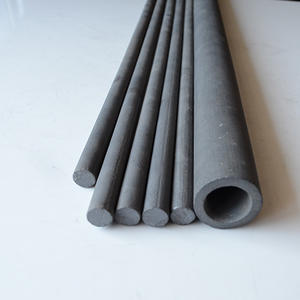
PRODUCT PARAMETERS
Description
Overview of Silicon Carbide Foam Ceramic Filter for Casting
Silicon Carbide (SiC) is a super-hard, synthetic ceramic material known for its outstanding thermal conductivity, exceptional wear resistance, and ability to maintain high strength at extreme temperatures. It excels in demanding mechanical, thermal, and corrosive environments where other materials fail.
Features of Silicon Carbide Foam Ceramic Filter for Casting
- Exceptional Wear & Abrasion Resistance: Extremely hard and durable, ideal for severe wear applications.
- High Thermal Conductivity: Excellent heat dissipation, superior to most metals at high temperatures.
- Superior Chemical Resistance: Resists attack by acids, alkalis, and molten metals.
- High-Temperature Strength: Maintains mechanical strength up to 1650°C.
- Excellent Thermal Shock Resistance: Withstands rapid temperature changes far better than Alumina.
- Semiconducting Properties: Can be engineered as an electrical conductor or insulator.
Specification of Silicon Carbide Foam Ceramic Filter for Casting
Spec of Silicon Carbide Foam Ceramic Filter for Casting
Material and Framework
This filter is made from high-purity silicon carbide. It has an open-cell foam structure. The pores are equally distributed. This style offers strong mechanical strength and good thermal shock resistance. The product remains secure at high temperatures up to 1600 ° C. Pore Density Options
We provide several pore thickness: 10, 20, 30, and 40 pores per inch (PPI). A lower PPI suggests bigger pores and greater flow prices. A greater PPI supplies finer purification. Select the best PPI based upon your metal kind and spreading requirements.
Physical Dimensions
Requirement dimensions consist of sizes from 50 mm to 200 mm and densities from 15 mm to 30 mm. Personalized dimensions are likewise readily available upon request. Each filter has straight edges and regular thickness to fit safely in standard pouring systems.
Purification Efficiency
The filter removes slag, oxides, and other non-metallic incorporations from molten steel. It enhances steel tidiness and lowers casting flaws like pinholes and incorporations. This results in far better surface coating and mechanical properties in the end product.
Handling and Installment
Manage the filter with care– it is brittle before shooting. Position it in a completely dry, tidy area prior to usage. Install it securely in the gating system to avoid metal bypass. Pre-heating to 200– 300 ° C is advised to stay clear of thermal shock during putting.
Applications
These filters work well with iron, steel, copper, and nickel-based alloys. They are utilized in factories for automotive components, equipment elements, and commercial castings. Their longevity and performance make them perfect for both batch and continual spreading processes.
Note: Constantly match the filter grade and dimension to your details steel kind, putting temperature level, and mold layout for finest results.
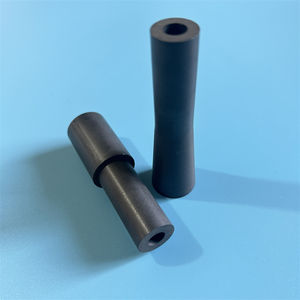
Applications of Silicon Carbide Foam Ceramic Filter for Casting
Applications of Silicon Carbide Foam Ceramic Filter for Casting
Why Foundries Choose Silicon Carbide Filters
Silicon carbide foam ceramic filters are widely made use of in steel casting. They help eliminate pollutants from molten steel prior to it loads the mold. This results in cleaner spreadings with less problems.
These filters function well with iron, steel, and non-ferrous metals like aluminum and copper. Their strong framework stands up under high temperatures and severe conditions. Unlike other filter materials, silicon carbide does not break down conveniently during putting.
Key Advantages in Real-World Usage
Much better surface area coating. When slag, oxides, and sand particles are removed, the last casting has a smoother surface. This lowers the requirement for extra grinding or machining after casting.
Less internal issues. Clean metal streams extra equally right into molds. This decreases the danger of additions, porosity, and weak points inside the component. The result is more powerful, extra reputable components.
Enhanced return and performance. Factories see much less scrap and revamp when using these filters. That implies more great components per batch and lower general costs.
Where These Filters Are Utilized
Automotive and hefty machinery sectors rely on silicon carbide filters for engine blocks, cyndrical tube heads, and transmission housings. Aerospace foundries use them for high-integrity wind turbine components. Even little work shops profit when casting facility or high-value items.
The open-cell structure of the foam allows stable steel circulation while trapping unwanted solids. Pore sizes can be matched to the sort of metal and spreading approach– whether sand, financial investment, or die spreading.
Factories that switch to silicon carbide foam ceramic filters typically observe instant renovations in quality assurance. The filters are easy to mount in gating systems and call for no major modifications to existing configurations.

Company Profile
Synthetic-chemical focus on the research and development, production and sales of ceramic products, serving the electronics, ceramics, chemical and other industries. Since its establishment in 2015, the company has been committed to providing customers with the best products and services, and has become a leader in the industry through continuous technological innovation and strict quality management.
Our products includes but not limited to Aluminum Nitride, Aluminum Oxide, Boron Carbide, Boron Nitride, Ceramic Crucible, ect. If you are interested in any type of these, please feel free to contact us.

Payment Methods
T/T, Western Union, Paypal, Credit Card etc.
Shipment Methods
By air, by sea, by express, as customers request.
5 FAQs of Silicon Carbide Foam Ceramic Filter for Casting
Frequently Asked Questions About Silicon Carbide Foam Ceramic Filters
What is a silicon carbide foam ceramic filter?
This filter is a porous ceramic part made from silicon carbide. It looks like a sponge with many small holes. Foundries use it to clean molten metal before casting. The filter traps impurities like slag and oxides as the metal flows through.
Why choose silicon carbide over other filter materials?
Silicon carbide handles very high temperatures better than most ceramics. It stays strong even when hot. It also resists chemical reactions with molten metal. This means it lasts longer and gives cleaner castings compared to alumina or zirconia filters.
How does this filter improve casting quality?
As molten metal passes through the filter, solid particles get stuck in the pores. This reduces defects like sand inclusions or gas pockets. Cleaner metal leads to smoother surfaces and fewer rejects. Many users see a clear drop in scrap rates after using these filters.
Can it be used for all types of metals?
It works well with iron, steel, and copper alloys. These metals melt at high temperatures where silicon carbide performs best. For aluminum or magnesium, other filters may be better because those metals are more reactive at lower temps. Always check compatibility before use.
How do I install the filter in my foundry?
Place the filter in the pouring cup, runner, or gating system. Make sure it fits snugly so metal cannot flow around it. Preheat the mold and filter to avoid thermal shock. Most foundries use standard sizes that match common gating designs. Follow your supplier’s handling instructions to prevent breakage.
REQUEST A QUOTE
RELATED PRODUCTS
High Thermal Conductivity Silicon Carbide Ceramic Mug Crucible
Hot ing Good Ceramic Silicon Carbide Bar Strip
Good Quality Best Sintered Silicon Carbide Ceramic Parts
Customized Silicon Carbide Ceramic Ring for Sealing Applications
High Temperature Resistance Silicon Carbide Ceramic Kiln Shelves