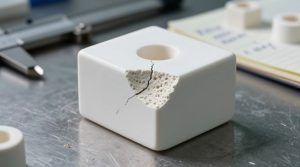
Next-Generation Ceramics: Unlocking Superior Properties for Industry

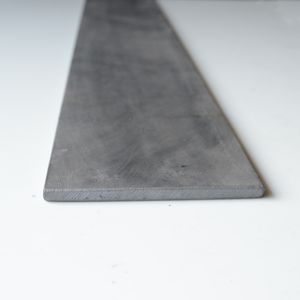
PRODUCT PARAMETERS
Description
Overview of Refractory Nitride Bonded Silicon Carbide Ceramic
Silicon Carbide (SiC) is a super-hard, synthetic ceramic material known for its outstanding thermal conductivity, exceptional wear resistance, and ability to maintain high strength at extreme temperatures. It excels in demanding mechanical, thermal, and corrosive environments where other materials fail.
Features of Refractory Nitride Bonded Silicon Carbide Ceramic
- Exceptional Wear & Abrasion Resistance: Extremely hard and durable, ideal for severe wear applications.
- High Thermal Conductivity: Excellent heat dissipation, superior to most metals at high temperatures.
- Superior Chemical Resistance: Resists attack by acids, alkalis, and molten metals.
- High-Temperature Strength: Maintains mechanical strength up to 1650°C.
- Excellent Thermal Shock Resistance: Withstands rapid temperature changes far better than Alumina.
- Semiconducting Properties: Can be engineered as an electrical conductor or insulator.
Specification of Refractory Nitride Bonded Silicon Carbide Ceramic
Refractory Nitride Bonded Silicon Carbide Porcelain– Item Spec
Product Structure
This ceramic is made from high-purity silicon carbide grains bound with a nitride stage. The main parts consist of SiC (silicon carbide) and silicon nitride or oxynitride developed throughout the reaction bonding procedure. No ingredients that deteriorate high-temperature performance are utilized.
Trick Qualities
High thermal conductivity: Warm moves rapidly through the material, which helps stop locations and supports also temperature level circulation.
Outstanding thermal shock resistance: It manages quick heating and cooling without breaking. This makes it trustworthy in environments with constant temperature level adjustments.
Solid mechanical toughness: Even at temperature levels over 1000 ° C, the material keeps its form and load-bearing capacity.
Excellent rust resistance: It withstands strike from molten steels, slags, and lots of hostile gases located in commercial setups.
Reduced thermal development: The material increases very little when heated, lowering stress during thermal biking.
Production Process
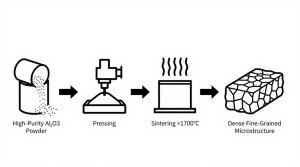
The product is developed by forming a blend of silicon carbide powder and fine silicon steel. It is then terminated in a nitrogen-rich atmosphere. During firing, silicon reacts with nitrogen to create a strong nitride bond around the SiC bits. This reaction-bonded approach offers the end product its thick structure and constant efficiency.
Regular Applications
This ceramic is extensively used in kiln furniture such as racks, beams, and setters. It additionally serves in warm exchangers, heater nozzles, and cellular linings for furnaces in metal handling, glass manufacturing, and porcelains manufacturing. Its security at heats and long life span make it a preferred option where dependability matters.
Physical Features
Color: Dark grey to black
Density: 2.55– 2.65 g/cm FIVE.
Porosity: Low open porosity (< 12%).
Maximum use temperature level: Up to 1450 ° C in air, higher in inert atmospheres.
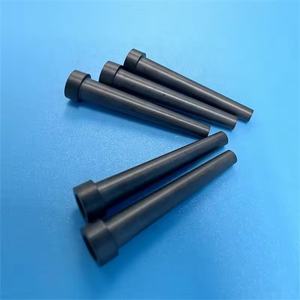
Applications of Refractory Nitride Bonded Silicon Carbide Ceramic
Applications of Refractory Nitride Bonded Silicon Carbide Ceramic
High-Temperature Industrial Furnaces
Nitride adhered silicon carbide (NSiC) takes care of severe warmth without breaking down. It functions well in kilns, sintering heaters, and warm treatment systems. The product keeps its form and toughness also above 1400 ° C. That makes it best for heater cellular linings, burner nozzles, and support beams.
Metal Handling Equipment
In shops and metal smelting operations, NSiC resists deterioration from liquified steels like aluminum, copper, and zinc. It is utilized for crucibles, launders, and thermocouple defense tubes. Its reduced sensitivity aids maintain the metal tidy and decreases contamination.
Wear-Resistant Parts
This ceramic withstand heavy abrasion. Industries utilize it for pump seals, shutoff components, and use plates. Also under consistent rubbing or effect, it lasts longer than many metals or basic ceramics.
Chemical and Petrochemical Settings
NSiC reveals strong resistance to acids, antacid, and various other rough chemicals. It executes reliably in reactors, piping systems, and scrubbers where deterioration would swiftly damage average materials.
Power and Waste Incineration
In nuclear power plant and waste-to-energy facilities, NSiC elements face warm, destructive flue gases. They are made use of in burner blocks, mosaic blocks, and flue cellular linings. Their thermal shock resistance prevents fracturing during fast temperature level changes.
Ceramic and Glass Manufacturing
Glass storage tanks and ceramic firing lines require materials that won’t warp or weaken. NSiC offers stable support for rollers, setters, and saggers. It likewise avoids infecting the end product, which is critical for top quality outcome.

Company Profile
Synthetic-chemical focus on the research and development, production and sales of ceramic products, serving the electronics, ceramics, chemical and other industries. Since its establishment in 2015, the company has been committed to providing customers with the best products and services, and has become a leader in the industry through continuous technological innovation and strict quality management.
Our products includes but not limited to Aluminum Nitride, Aluminum Oxide, Boron Carbide, Boron Nitride, Ceramic Crucible, ect. If you are interested in any type of these, please feel free to contact us.

Payment Methods
T/T, Western Union, Paypal, Credit Card etc.
Shipment Methods
By air, by sea, by express, as customers request.
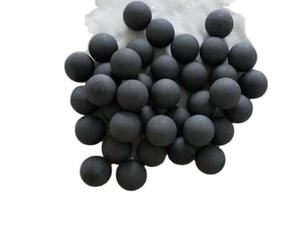
5 FAQs of Refractory Nitride Bonded Silicon Carbide Ceramic
Frequently Asked Questions About Refractory Nitride Bonded Silicon Carbide Ceramic
What is nitride bonded silicon carbide ceramic?
Nitride bonded silicon carbide (NBSC) is a high-performance ceramic made by bonding silicon carbide grains with silicon nitride. This material keeps its strength at very high temperatures. It also resists wear, corrosion, and thermal shock better than many other ceramics.
Where is this ceramic used?
People use NBSC in tough industrial settings. Common uses include kiln furniture, burner nozzles, heat exchangers, and linings for furnaces. It works well in metal processing, glass making, and chemical plants because it handles extreme heat and harsh chemicals without breaking down.
Why choose NBSC over other refractories?
NBSC lasts longer under high heat and stress. It has high thermal conductivity, so it heats and cools quickly without cracking. Its low thermal expansion helps it stay stable during temperature swings. These traits cut downtime and replacement costs in heavy-duty operations.
Can it handle corrosive environments?
Yes. NBSC resists attack from many acids, molten metals, and slags. The silicon nitride binder forms a protective layer that slows chemical wear. This makes the material reliable in aggressive chemical or metallurgical processes.
How is NBSC made?
Manufacturers mix fine silicon carbide powder with silicon metal. They shape the mixture into parts, then fire it in a nitrogen-rich atmosphere. During firing, the silicon reacts with nitrogen to form silicon nitride, which bonds the structure together. The result is a dense, strong ceramic ready for demanding service.
REQUEST A QUOTE
RELATED PRODUCTS
High Temperature Silicon Carbide Ceramics Graphite Saggar
Black Silicon Carbide for Carbon Ceramic Brake Discs Manufacturing
High Temperature Resistance Silicon Carbide Ceramic Plate Part
Tactical Vest with Aluminum Silicon Carbide Ceramic Hard Armor
China High Thermal Conductivity Silicon Carbide Ceramic