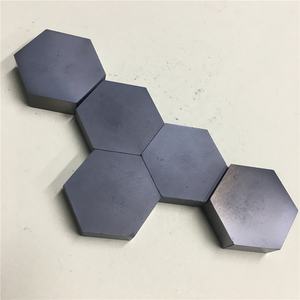
Next-Generation Ceramics: Unlocking Superior Properties for Industry

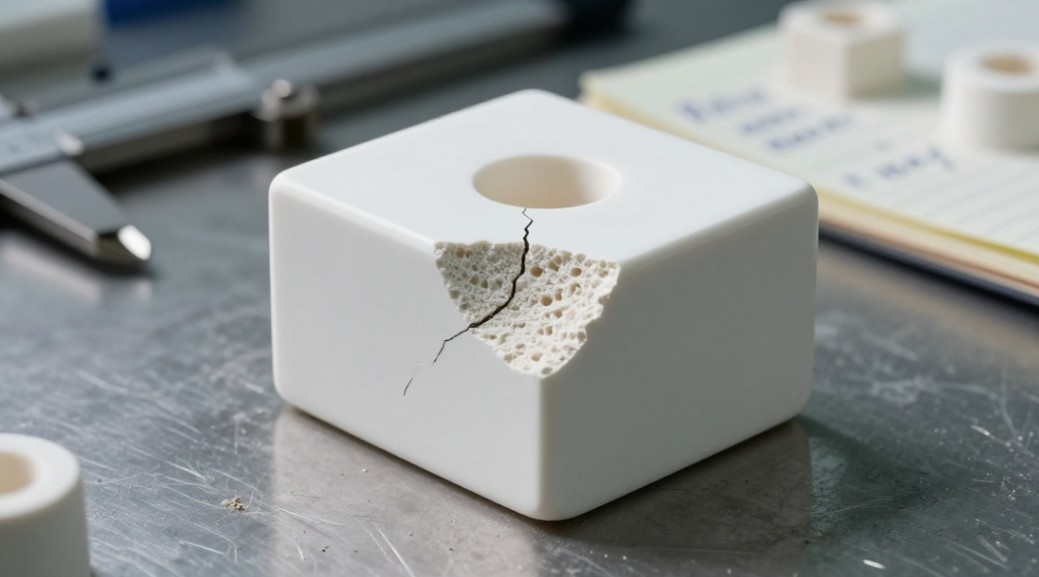
PRODUCT PARAMETERS
Description
Overview of Silicon Carbide Ceramic Square Rods Refractory Pillars
Silicon Carbide (SiC) is a super-hard, synthetic ceramic material known for its outstanding thermal conductivity, exceptional wear resistance, and ability to maintain high strength at extreme temperatures. It excels in demanding mechanical, thermal, and corrosive environments where other materials fail.
Features of Silicon Carbide Ceramic Square Rods Refractory Pillars
- Exceptional Wear & Abrasion Resistance: Extremely hard and durable, ideal for severe wear applications.
- High Thermal Conductivity: Excellent heat dissipation, superior to most metals at high temperatures.
- Superior Chemical Resistance: Resists attack by acids, alkalis, and molten metals.
- High-Temperature Strength: Maintains mechanical strength up to 1650°C.
- Excellent Thermal Shock Resistance: Withstands rapid temperature changes far better than Alumina.
- Semiconducting Properties: Can be engineered as an electrical conductor or insulator.

Specification of Silicon Carbide Ceramic Square Rods Refractory Pillars
Specification of Silicon Carbide Ceramic Square Rods– Refractory Columns
Material and Structure
These refractory pillars are made from high-purity silicon carbide (SiC). The product provides superb thermal conductivity, strong resistance to put on, and impressive performance at high temperatures. Each rod includes over 95% SiC, making certain regular top quality and reliability sought after environments.
Dimensions and Resistances
The square poles can be found in conventional cross-sections of 10 mm × 10 mm, 15 mm × 15 mm, and 20 mm × 20 mm. Personalized sizes are likewise offered upon demand. Sizes range from 100 mm to 1000 mm. Dimensional tolerances are held within ± 0.2 mm for size and height, and ± 1.0 mm for size. This precision supports accurate positioning and secure assistance in kiln arrangements.
Physical Residences
Thickness: 3.05– 3.15 g/cm TWO.
Firmness (Vickers): ≥ 2800 HV.
Flexural Stamina: ≥ 350 MPa at room temperature level.
Maximum Solution Temperature: 1600 ° C in oxidizing environments.
Thermal Conductivity: ~ 120 W/m · K at 100 ° C.
These properties make the poles perfect for use as assistance messages or spacers in high-temperature furnaces, specifically where thermal shock resistance and architectural security are vital.
Surface Area End Up and Appearance
The rods feature a smooth, consistent surface with no visible cracks, chips, or pores. Edges are a little chamfered to decrease handling damage. Color varies from dark grey to black, common of sintered silicon carbide.
Applications
Commonly used in ceramic sintering, glass manufacturing, metallurgy, and laboratory kilns. They work as load-bearing pillars that maintain form and strength even after duplicated home heating cycles. Their reduced thermal expansion lessens distortion throughout rapid temperature changes.
Packaging and Handling
Each rod is separately wrapped in protective foam and packed in durable cardboard boxes. Manage with care– though extremely long lasting, silicon carbide is breakable under effect. Prevent dropping or striking versus tough surface areas.
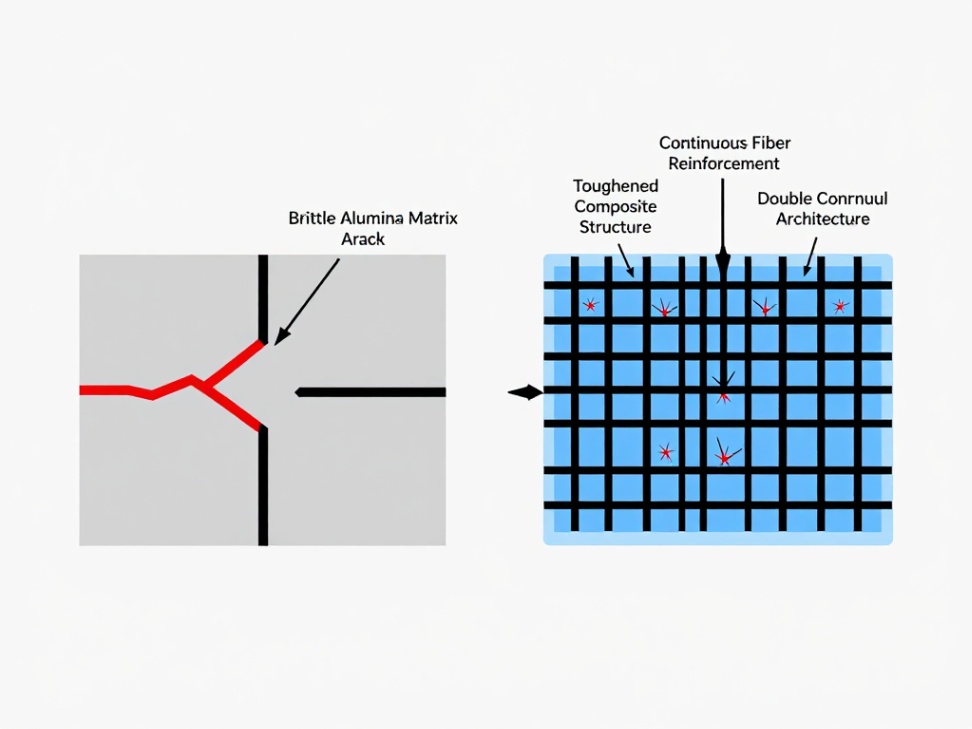
Applications of Silicon Carbide Ceramic Square Rods Refractory Pillars
Applications of Silicon Carbide Porcelain Square Rods as Refractory Pillars
High-Temperature Stability in Industrial Furnaces
Silicon carbide ceramic square rods function well as refractory columns inside commercial furnaces. They hold up under extreme warmth without flexing or damaging. These rods keep their shape even when temperatures go above 1,400 ° C. That makes them excellent for supporting shelves, trays, and various other load-bearing components in kilns made use of for porcelains, glass, and steel handling.
Solid Resistance to Thermal Shock
These square poles manage abrupt temperature level adjustments much better than many products. When heating system doors open or cooling begins fast, routine refractories typically split. Silicon carbide stays undamaged because it performs warmth rapidly and evenly. This attribute lowers maintenance costs and stays clear of unanticipated closures.
Long Life Span with Marginal Use
Silicon carbide is very tough and withstands wear from physical call and chemical direct exposure. In hostile settings– like those with molten metals or corrosive gases– these poles last much longer than standard choices. They do not deteriorate quickly , so customers replace them less often. That conserves cash gradually and maintains production running efficiently.
Versatile Usage Across Industries
You’ll discover these refractory pillars in many settings. In the ceramic sector, they support ware during firing. In metallurgy, they aid place components in heat therapy chambers. Glass suppliers utilize them to hold molds or providers without infecting the product. Their square form supplies stable, flat get in touch with surfaces, which boosts load circulation and reduces slippage.
Tidy and Contamination-Free Performance
Unlike some refractories that launch contaminations at high heat, silicon carbide remains chemically secure. It does not react with most products it touches. This purity issues in sectors where also little pollutants can destroy a set– such as electronic devices or specialty glass production.

Company Profile
Synthetic-chemical focus on the research and development, production and sales of ceramic products, serving the electronics, ceramics, chemical and other industries. Since its establishment in 2015, the company has been committed to providing customers with the best products and services, and has become a leader in the industry through continuous technological innovation and strict quality management.
Our products includes but not limited to Aluminum Nitride, Aluminum Oxide, Boron Carbide, Boron Nitride, Ceramic Crucible, ect. If you are interested in any type of these, please feel free to contact us.

Payment Methods
T/T, Western Union, Paypal, Credit Card etc.
Shipment Methods
By air, by sea, by express, as customers request.
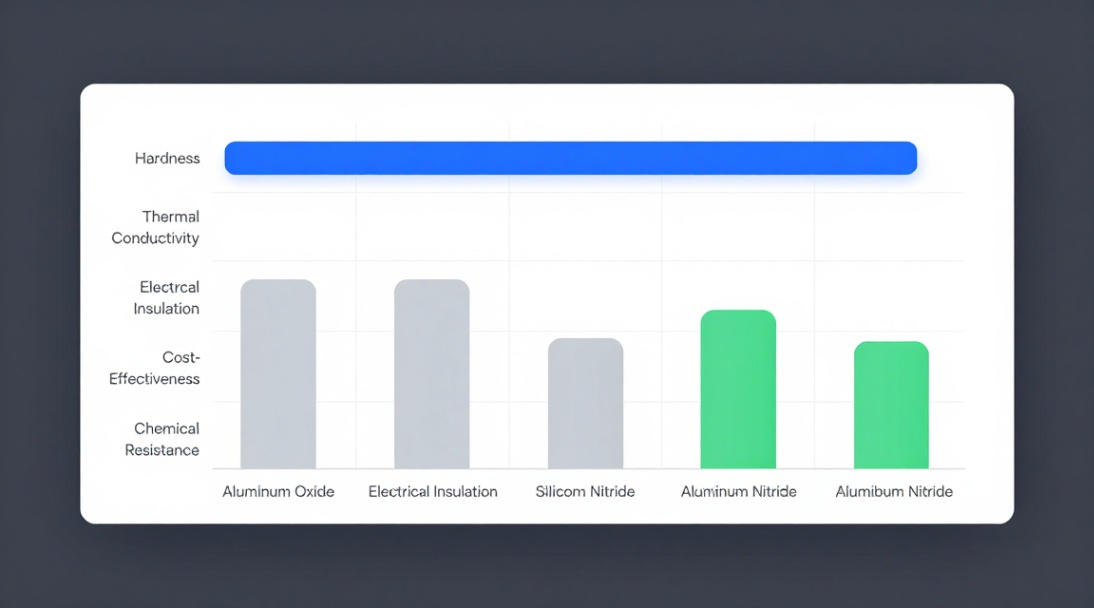
5 FAQs of Silicon Carbide Ceramic Square Rods Refractory Pillars
Frequently Asked Questions About Silicon Carbide Ceramic Square Rods (Refractory Pillars)
What are silicon carbide ceramic square rods used for?
These rods act as high-temperature support pillars in industrial kilns and furnaces. They hold shelves, trays, or other loads during firing. Their strong structure keeps everything stable even under heavy weight and extreme heat.
Why choose silicon carbide over other refractory materials?
Silicon carbide has excellent thermal conductivity. It heats up and cools down quickly without cracking. It also resists wear, corrosion, and thermal shock better than most ceramics. This means longer service life and fewer replacements.
What temperatures can these rods handle?
They work well in continuous use up to 1,600°C (2,912°F). Short-term exposure can go even higher. Always check your specific application’s peak temperature to ensure safe operation.
Are square rods better than round ones?
Square rods offer flat contact surfaces. This gives more stability for stacking kiln furniture. They are less likely to roll or shift during loading and firing. Round rods may suit some setups, but square shapes often provide better load control.
How do I install or replace these pillars?
Place them vertically on a level kiln shelf or base. Make sure the load sits evenly across the top surface. Avoid sudden impacts during handling—silicon carbide is strong but can chip if struck hard. When replacing old pillars, remove debris first and check for cracks or warping before reuse.
REQUEST A QUOTE
RELATED PRODUCTS
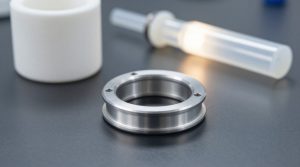
Recrystallized Silicon Carbide Refractory Ceramic Plates
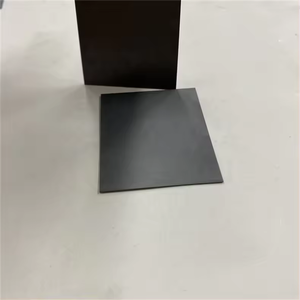
Silicon Carbide Ceramic Plate Disc Tiles Armor
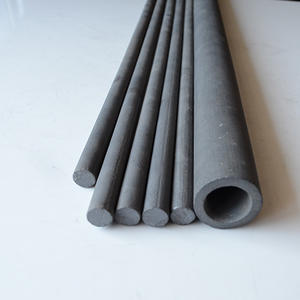
Silicon Carbide Foam Ceramic Filter for Casting
Tactical Armor Panel with Alumina and Silicon Carbide Ceramic Plates
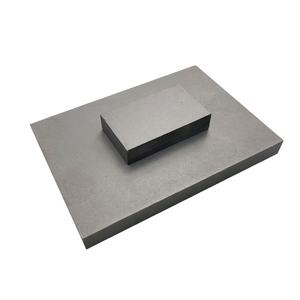
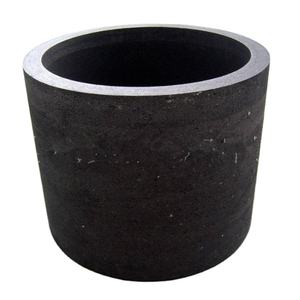
Refractory Silicon Carbide Ceramic Sagger and Crucible