Next-Generation Ceramics: Unlocking Superior Properties for Industry

PRODUCT PARAMETERS
Description
Overview of Silicon Carbide Foam Ceramic Filter for Casting
Silicon Carbide (SiC) is a super-hard, synthetic ceramic material known for its outstanding thermal conductivity, exceptional wear resistance, and ability to maintain high strength at extreme temperatures. It excels in demanding mechanical, thermal, and corrosive environments where other materials fail.
Features of Silicon Carbide Foam Ceramic Filter for Casting
- Exceptional Wear & Abrasion Resistance: Extremely hard and durable, ideal for severe wear applications.
- High Thermal Conductivity: Excellent heat dissipation, superior to most metals at high temperatures.
- Superior Chemical Resistance: Resists attack by acids, alkalis, and molten metals.
- High-Temperature Strength: Maintains mechanical strength up to 1650°C.
- Excellent Thermal Shock Resistance: Withstands rapid temperature changes far better than Alumina.
- Semiconducting Properties: Can be engineered as an electrical conductor or insulator.
Specification of Silicon Carbide Foam Ceramic Filter for Casting
Spec of Silicon Carbide Foam Ceramic Filter for Casting
Material and Framework
This filter is made from high-purity silicon carbide. It has a three-dimensional permeable network. The framework is uniform and open-celled. This layout guarantees consistent metal flow while capturing impurities.
Secret Includes
High thermal shock resistance: The filter remains secure also when liquified metal hits it unexpectedly.
Solid mechanical strength: It holds its form under casting pressure and dealing with anxiety.
Superb chemical stability: It does not respond with most liquified metals or slags.
Consistent pore size: Offered in basic scores from 10 to 60 PPI (pores per inch). You can pick the right quality based upon your casting needs.
Regular Applications
Foundries utilize this filter for iron, steel, light weight aluminum, and copper alloy spreadings. It eliminates oxides, slag, and non-metallic inclusions. The result is cleaner metal and less casting issues like pinholes or inclusions.
Physical Residences
– Running temperature: as much as 1600 ° C.
– Noticeable porosity: 80– 90%.
– Bulk density: 0.35– 0.65 g/cm THREE.
– Compressive strength: ≥ 1.5 MPa.
Setup Advice
Place the filter firmly in eviction system. Ensure it fits securely to avoid steel bypass. Preheat before pouring to lower thermal stress. Always follow your shop’s safety and security procedures throughout handling and installment.
Quality control
Every set satisfies stringent quality control criteria. We examine dimensions, pore harmony, and structural stability. Filters are without fractures, chips, or surface impurities.
Applications of Silicon Carbide Foam Ceramic Filter for Casting
Applications of Silicon Carbide Foam Ceramic Filter for Casting
Why Factories Pick This Filter
Silicon carbide foam ceramic filters are widely made use of in steel spreading. They assist remove pollutants from liquified metal prior to it loads the mold. These filters trap slag, oxides, and other non-metallic inclusions. The outcome is cleaner steel and better-quality spreadings.
High-Temperature Performance
This filter functions well at really heats. It remains solid and stable also when dealing with molten steel, iron, or non-ferrous alloys. Unlike a few other filters, it does not damage down or respond with the steel. That means less defects and less waste.
Better Flow Control
The foam framework has a consistent pore network. This assists control how rapid the metal streams into the mold. A stable flow decreases turbulence. Much less turbulence suggests less gas pockets and smoother surfaces on the final part.
Boosted Mechanical Qualities
Cleanser metal causes stronger spreadings. With less incorporations within, parts show better tensile toughness and ductility. This matters a lot in markets like automotive, aerospace, and hefty equipment– where failing is not an alternative.
Easy to Use
Shops can install these filters without changing their existing setup. They match conventional gating systems. Operators do not need unique training. Just put the filter in position, put the steel, and let it do its work.
Cost-Effective Remedy
Even though the upfront price might be greater than fundamental filters, silicon carbide foam filters conserve money gradually. They minimized scrap prices, minimize rework, and enhance return. Fewer turned down parts mean more earnings per set.
Factories that utilize this filter see constant enhancements in both top quality and effectiveness. It manages tough conditions while supplying reliable outcomes every time.

Company Profile
Synthetic-chemical focus on the research and development, production and sales of ceramic products, serving the electronics, ceramics, chemical and other industries. Since its establishment in 2015, the company has been committed to providing customers with the best products and services, and has become a leader in the industry through continuous technological innovation and strict quality management.
Our products includes but not limited to Aluminum Nitride, Aluminum Oxide, Boron Carbide, Boron Nitride, Ceramic Crucible, ect. If you are interested in any type of these, please feel free to contact us.

Payment Methods
T/T, Western Union, Paypal, Credit Card etc.
Shipment Methods
By air, by sea, by express, as customers request.
5 FAQs of Silicon Carbide Foam Ceramic Filter for Casting
Frequently Asked Questions About Silicon Carbide Foam Ceramic Filters for Casting
What is a silicon carbide foam ceramic filter?
It is a porous filter made from silicon carbide. Foundries use it to clean molten metal before casting. The filter traps impurities like slag, oxides, and inclusions as the metal flows through its open-cell structure.
Why choose silicon carbide over other filter materials?
Silicon carbide handles very high temperatures without breaking down. It resists thermal shock better than many ceramics. This means it stays strong even when hot metal hits it suddenly. It also lasts longer in tough casting environments.
How does this filter improve casting quality?
The filter removes solid particles from the melt. Cleaner metal leads to fewer defects like pinholes, sand inclusions, or weak spots. Cast parts come out smoother and stronger. This reduces scrap rates and saves money.
Can it be used with different metals?
Yes. It works well with iron, steel, copper, and some non-ferrous alloys. Always check compatibility with your specific metal type and pouring temperature. Some alloys may need special filter grades.
How do I install the filter correctly?
Place the filter securely in the gating system—usually in the sprue or runner. Make sure it fits tightly to avoid metal bypass. Preheat the mold and filter slowly to prevent thermal shock. Follow your foundry’s standard preheating procedure. Never force metal through a cold or cracked filter.
REQUEST A QUOTE
RELATED PRODUCTS

Silicon Carbide Ceramic Square Rods Refractory Pillars
High Strength Silicon Carbide Ceramic Tube Heat Exchanger
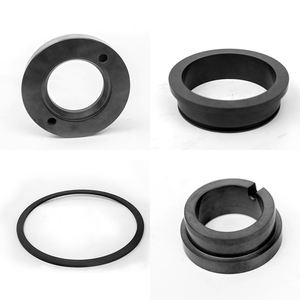
Ceramic Igniter with Silicon Carbide Heater
High Quality Ceramic Flap Disc with Silicon Carbide Abrasive
Silicon Carbide and Boron Carbide Ceramic Plate Tiles