Next-Generation Ceramics: Unlocking Superior Properties for Industry

What is Aluminum Oxide Ceramic?
Your precision engineering project just failed. The wear plate disintegrated, the electrical insulator shorted under heat, or the biocompatible component triggered a rejection. The culprit? Material compromise. You were promised durability and stability, but conventional metals and plastics buckled under pressure, heat, and chemical attack. This is the daily frustration aluminium oxide ceramic was born to solve.
Aluminium oxide ceramic, commonly called alumina (Al2O3), is a synthetic industrial workhorse. It’s not pottery. This is a highly engineered material where purity dictates destiny. We take raw alumina powder, form it, and sinter it at extreme temperatures. The result is a crystalline structure that laughs at abrasion, shrugs off corrosion, and stands firm where other materials fail. It’s the invisible, indispensable backbone of modern technology.
The Core Properties: Why Industry Can’t Function Without It
Forget “versatile.” Alumina is non-negotiable. Its properties aren’t just good; they are critical for applications where failure is catastrophic.
- Extreme Hardness & Wear Resistance: Second only to diamond and boron carbide ceramic, it outlasts tool steel by orders of magnitude. It doesn’t just resist wear; it annihilates it.
- Superior Electrical Insulation: Even at high temperatures, alumina maintains exceptional dielectric strength. This makes it the default substrate for microchips and power electronics.
- High Thermal Stability: It retains strength and form well over 1000°C, outperforming most metals. While silicon carbide ceramic handles higher ultimate temperatures, alumina offers a better balance of cost and performance for most thermal management tasks.
- Chemical Inertness: It is virtually unaffected by strong acids, alkalis, and molten metals. This makes it ideal for crucibles, labware, and pump seals in aggressive environments.
Purity is Power: The Grades That Define Performance
The magic lies in the percentage. A few points of purity separate a commodity from a critical component.
| Grade | Al2O3 Purity | Key Characteristics | Primary Applications |
|---|---|---|---|
| 85-95% Alumina | 85-95% | Good mechanical properties, cost-effective. | Wear tiles, grinding media, general industrial liners. |
| 96% Alumina | 96% | Excellent balance of strength, hardness, and cost. Industry workhorse. | Seal faces, nozzles, insulator bodies, substrates. |
| 99.5% Alumina | 99.5% | High density, superior surface finish, excellent corrosion resistance. | High-performance semiconductor substrates, biomedical implants, precision laser tubes. |
| 99.9% Alumina | 99.9% | Ultra-high purity for exceptional electrical properties and chemical resistance. | Advanced electronics, sapphire crystal growth, high-vacuum components. |
Alumina vs. The Competition: A Clear-Cut Choice
Stop wondering which ceramic to use. The choice isn’t mystical; it’s a calculated trade-off. Alumina doesn’t try to be everything. It dominates its niche.
| Material | Key Advantage vs. Alumina | Key Disadvantage vs. Alumina | When to Choose Over Alumina |
|---|---|---|---|
| Zirconia (ZrO2) | Higher fracture toughness (less brittle). | Lower hardness, higher cost, potential phase instability under thermal cycling. | Demanding structural applications with high impact risk (e.g., ceramic knives, joint implants). |
| Silicon Nitride Ceramic (Si3N4) | Superior thermal shock resistance and fracture toughness. | Significantly more expensive, harder to machine complex shapes. | High-stress, high-thermal-cycled components like turbocharger rotors or bearing balls. |
| Silicon Carbide Ceramic (SiC) | Higher thermal conductivity and extreme temperature capability (>1600°C). | More expensive, poorer electrical insulation properties. | Advanced heat exchangers, burner nozzles, or lightweight armor where thermal management is paramount. |
| Aluminium Nitride Ceramic (AlN) | Exceptional thermal conductivity (close to copper) while being an electrical insulator. | Much higher cost, more challenging to sinter densely. | Critical high-power electronic substrates where heat dissipation is the #1 design constraint. |
The Unseen Engine: Critical Applications
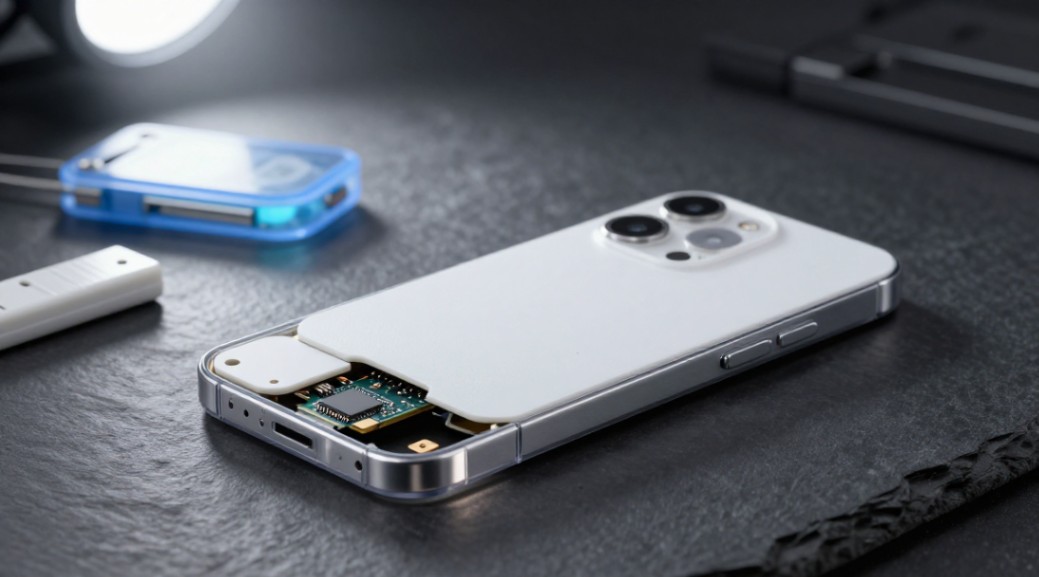
Alumina works where you don’t see it. It’s the substrate your smartphone’s brain is printed on. It’s the hermetic seal in a pacemaker. It’s the thread guide that spins synthetic fibers at insane speeds without wearing down. From the spark plug insulator in your car to the protective tile on a space shuttle, its reliability is assumed. This is its greatest success and its biggest marketing failure.
Manufacturing & Machining: The Hard Truth
You cannot machine sintered alumina with conventional tools. It will destroy them. This is a design-for-manufacture material. Complex shapes must be formed before the final high-temperature sintering, which causes significant and predictable shrinkage. Post-sintering, only diamond-grit grinding, lapping, or laser machining are viable. This isn’t a drawback; it’s a design parameter. You gain unparalleled performance but must plan your geometry and tolerances upfront. New methods, like slurry infiltration for composites, aim to reduce sintering temperatures and improve toughness, but traditional alumina processing is a discipline, not an afterthought.
The Future: Beyond the White Tile
The frontier isn’t just higher purity alumina. It’s integration. Research focuses on Ultra-High Temperature Ceramic Composites (UHTCMCs). Imagine combining alumina’s stability with the toughness of continuous fibers, pushing operational limits toward 3000°C for aerospace. Other innovations explore high-entropy oxide ceramics, mixing multiple elements to create new materials with record-breaking melting points. The goal is clear: conquer brittleness and push thermal boundaries. While alumina remains the king of today’s industrial landscape, these composites are its evolutionary heirs.
Your Next Move is Clear
Stop compromising with materials that almost work. If your design demands electrical isolation under thermal load, chemical resistance in a abrasive environment, or a biocompatible surface that lasts a lifetime, alumina isn’t just an option-it’s the only logical choice. The data is unequivocal. The industry runs on it.
Stop researching. Start specifying. Contact a specialist ceramic component manufacturer today. Provide them with your operational environment, mechanical loads, and precision requirements. Let them guide you on the optimal grade-96%, 99.5%, or a custom composite. The unbreakable solution already exists. You just need to deploy it.
Suppiler
Synthetic-chemical focus on the research and development, production and sales of ceramic products, serving the electronics, ceramics, chemical and other industries. Since its establishment in 2015, the company has been committed to providing customers with the best products and services, and has become a leader in the industry through continuous technological innovation and strict quality management.
Our products includes but not limited to Aluminum Nitride, Aluminum Oxide, Boron Carbide, Boron Nitride, Ceramic Crucible, ect. If you are interested in any type of these, please feel free to contact us.