Next-Generation Ceramics: Unlocking Superior Properties for Industry

What is Aluminum Oxide Ceramic? The Core Definition
Aluminum oxide ceramic is a high-performance industrial material manufactured from alumina powder (Al2O3) through sintering at temperatures exceeding 1600°C. It is not a single material but a family of ceramics whose properties scale directly with purity. Many users on platforms like Reddit and engineering forums refer to it simply as alumina or industrial alumina. Its defining characteristics are high hardness, excellent wear resistance, superb electrical insulation, and good chemical inertness.
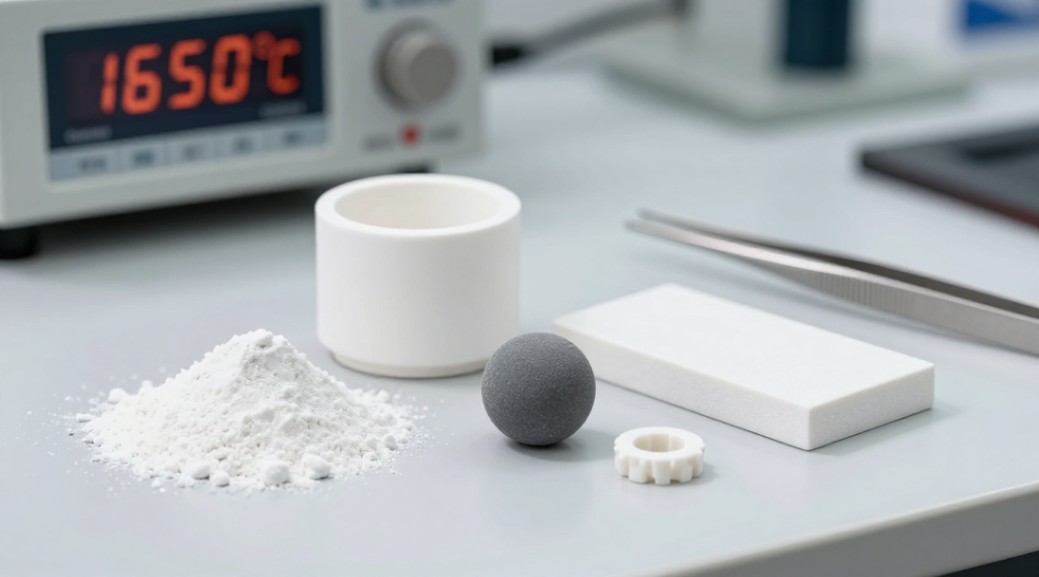
1. Key Properties and Characteristics of Alumina
These properties make aluminium oxide ceramic a predictable and reliable choice for severe environments where metals and plastics fail.
- Extreme Hardness: With a Mohs hardness of 9 (just below diamond), it offers exceptional resistance to abrasion, scratching, and wear. This is its most celebrated feature.
- High Wear Resistance: Components exhibit minimal material loss under sliding, rolling, or abrasive contact. Life spans are measured in years, not months.
- Superior Electrical Insulation: Alumina provides excellent dielectric strength and volume resistivity, even at elevated temperatures.
- Good Thermal Conductivity: While not as high as aluminium nitride ceramic or silicon carbide ceramic, its thermal conductivity is sufficient for many heat sink and substrate applications.
- Chemical Inertness: It resists attack from strong acids, alkalis, and molten metals, outperforming most metals and polymers.
- High Compressive Strength: It withstands significant crushing loads, ideal for heavy-duty fixtures and bearings.
2. Common Grades and Purity Levels
Not all alumina is equal. Purity dictates performance and cost. Selecting the wrong grade is a common design error.
2.1. 96% Alumina (Al2O3)
This is the workhorse grade. It contains 96% Al2O3 and 4% silicate-based sintering aids. It offers an optimal balance of mechanical properties and cost for the vast majority of industrial applications. Think wear plates, pump seals, and thread guides.
2.2. 99.5% Alumina and Above (High-Purity)
Higher purity means better properties. 99.5% alumina provides improved hardness, thermal conductivity, and corrosion resistance. It is mandatory for high-performance applications like semiconductor wafer processing equipment, advanced medical implants, and demanding laboratory environments. Purity levels can extend to 99.8% and 99.9% for the most critical uses.
3. Primary Manufacturing Processes
Production method directly influences component density, dimensional tolerance, and cost structure.
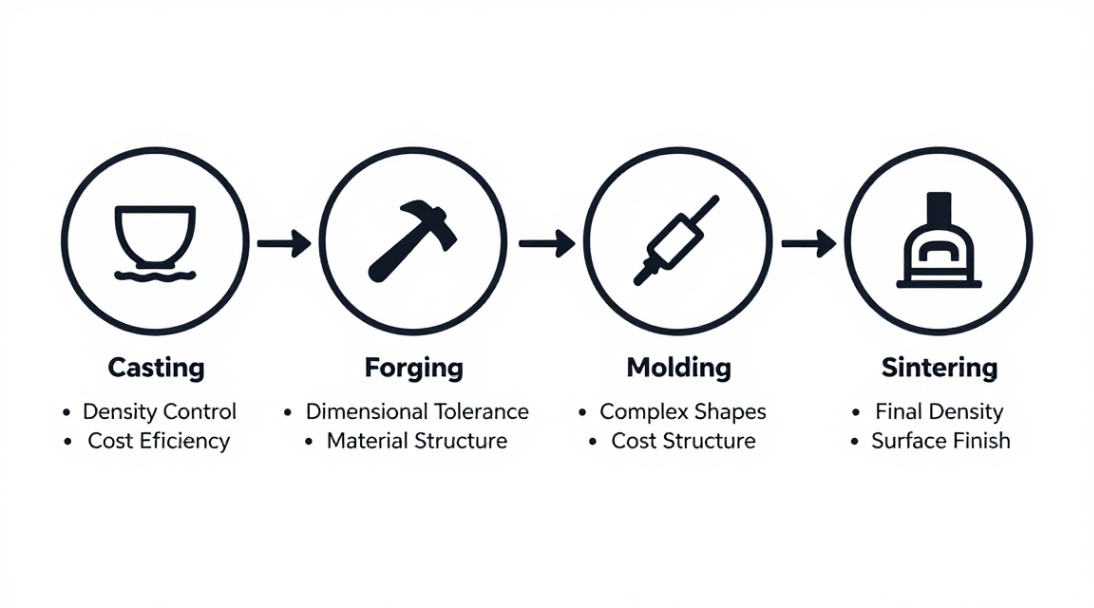
- Dry Pressing (Uniaxial): Fast and economical for simple, high-volume shapes like tiles, substrates, and simple bushings.
- Isostatic Pressing (CIP): Applies uniform pressure from all sides, yielding components with higher, more uniform density and isotropic properties. Essential for complex, high-stress parts.
- Injection Molding: Enables complex, near-net-shape geometries at high volumes. Ideal for intricate components that would be prohibitively expensive to machine, such as multichannel ceramic manifolds.
4. Major Industrial Applications
Aluminium oxide ceramic is a foundational material across heavy industry, electronics, and medicine.
- Wear Parts: Pump seals, wear plates, cutting tool inserts, sandblast nozzles, and textile thread guides leverage its unmatched abrasion resistance.
- Electrical & Electronic Substrates: Its electrical insulation and thermal management capabilities make it the standard material for thick-film and thin-film circuit substrates, spark plug insulators, and high-voltage insulators.
- Medical Components: Biocompatibility and wear resistance drive its use in joint replacements (e.g., femoral heads in hip prosthetics), dental implants, and surgical instrument tips.
- Raw Material Role: In granular form, it serves as the primary raw material for high-alumina refractories and is the base mineral for synthetic abrasive grains like those used in grinding wheels.
5. Comparison to Other Technical Ceramics
Material selection requires trade-offs. Alumina is rarely the ultimate performer in any single property, but it is the best all-rounder.
- vs. Zirconia (ZrO2): Zirconia is tougher (fracture resistant) and has higher flexural strength, but is less hard and wears faster in abrasive conditions. Choose zirconia for impact resistance; choose alumina for pure wear.
- vs. Silicon Carbide (SiC): Silicon carbide ceramic offers superior thermal conductivity and higher temperature capability, but is more brittle and expensive. For extreme heat transfer or temperatures above 1600°C, SiC wins. For cost-effective wear, alumina is preferred.
- vs. Aluminum Nitride (AlN): Aluminum nitride ceramic has thermal conductivity ~10x higher than alumina, making it the premier choice for high-power electronic packaging. However, it is significantly more costly and less wear-resistant.
6. Critical Design and Machining Considerations
Designing with ceramics is different than with metals. These are non-negotiable rules.
- Brittle Material Behavior: Alumina has high compressive strength but low tensile strength. Avoid sharp corners and stress concentrators. Use generous radii.
- Dimensional Tolerance: Account for sintering shrinkage (typically 15-20%). Final dimensions are achieved through diamond grinding, which adds cost. Design to minimize grinding complexity.
- Joining and Assembly: Do not weld or braze directly to alumina. Use mechanical clamping, shrink-fitting, or specialized adhesives designed for ceramics.
- Machining Post-Sintering: Only diamond-grit tools (grinding, drilling, dicing) can machine sintered alumina. It is a time-consuming, precision process. For prototypes, consider machining pre-sintered ‘green’ or ‘bisque’ states, which is easier but less accurate.
7. Future Trends and Material Guidance
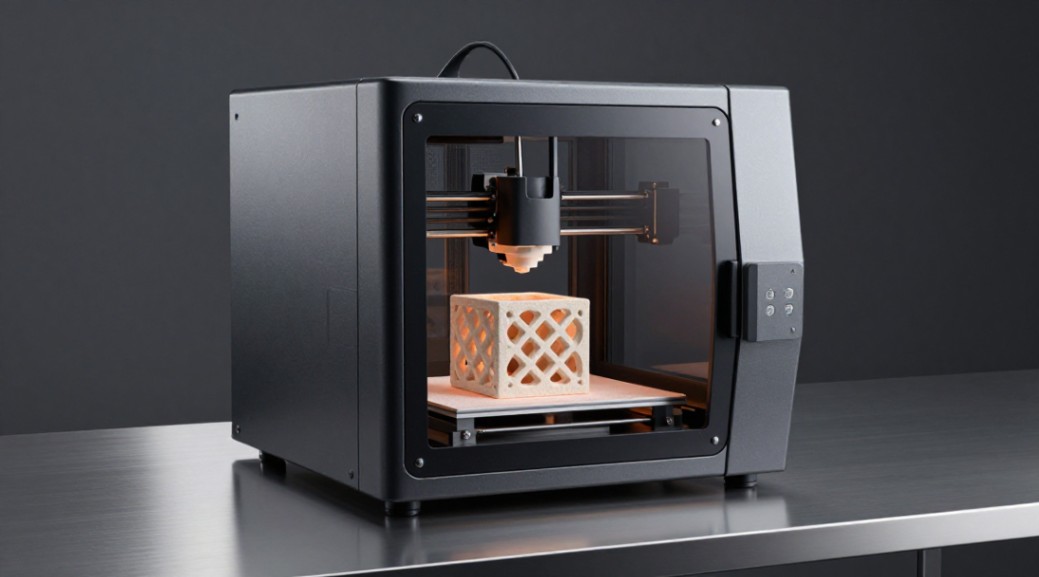
Alumina remains a vital material. Innovations focus on property enhancement and manufacturing efficiency. Nano-structured alumina powders increase sintered density and mechanical properties. Advanced additive manufacturing (3D printing) techniques are emerging for complex, low-volume alumina parts that defy conventional molding.
For your project, follow this decision path: If your primary need is wear resistance or electrical insulation at a reasonable cost, aluminum oxide ceramic is likely your best choice. Evaluate 96% alumina first for cost-effectiveness. If you face extreme thermal loads, prioritize silicon carbide ceramic or aluminium nitride ceramic. When you need maximum fracture toughness, investigate zirconia. When you have a specific application, consult with a specialist ceramic component manufacturer to prototype and test the correct grade and process. This upfront collaboration prevents costly field failures.
Suppiler
Synthetic-chemical focus on the research and development, production and sales of ceramic products, serving the electronics, ceramics, chemical and other industries. Since its establishment in 2015, the company has been committed to providing customers with the best products and services, and has become a leader in the industry through continuous technological innovation and strict quality management.
Our products includes but not limited to Aluminum Nitride, Aluminum Oxide, Boron Carbide, Boron Nitride, Ceramic Crucible, ect. If you are interested in any type of these, please feel free to contact us.