Next-Generation Ceramics: Unlocking Superior Properties for Industry

A Lesson in Toughness: Why This Material Earns Its Keep
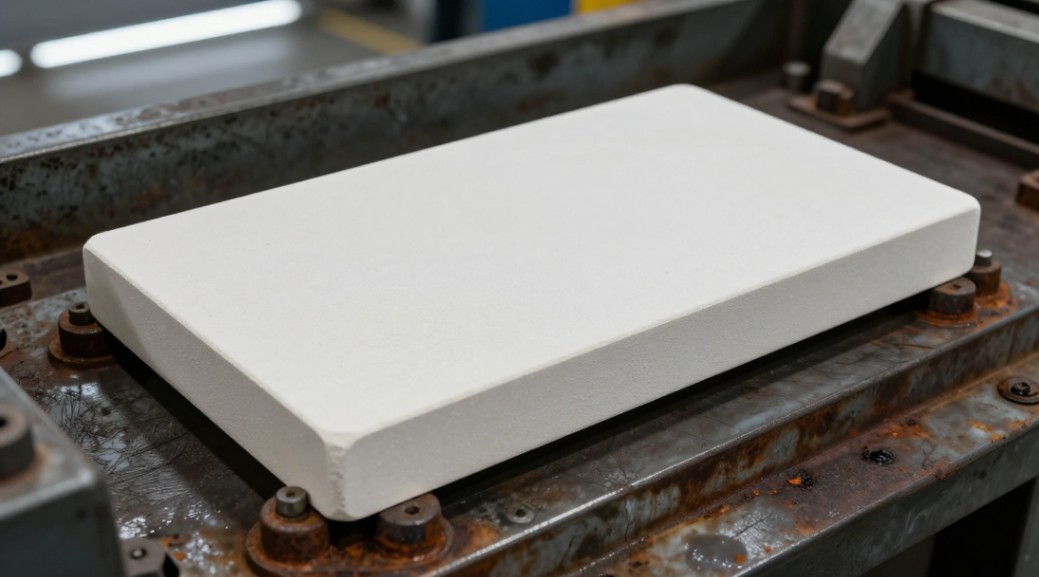
Twenty years ago, a furious plant manager waved a shattered ceramic tile in my face. “They said this stuff was indestructible!” he yelled. It wasn’t aluminum oxide. The supplier had cut corners with a cheaper alternative. We replaced it with a proper high-alumina wear plate. It ran for a decade without complaint. That moment cemented my belief: in engineering, there are no miracles, only materials chosen correctly. Aluminum oxide ceramic, often called alumina, is one of those fundamentally correct choices. It doesn’t promise magic. It delivers predictable, relentless performance.
Defining the Indispensable Workhorse
Forget exotic jargon. At its core, aluminum oxide ceramic is a refined, solidified form of aluminum and oxygen (Al₂O₃). We start with powders-often derived from bauxite-and subject them to intense heat and pressure in a process called sintering. This transforms loose powder into a dense, crystalline network. Think of forging a diamond from coal. The result isn’t a single material but a family, with purity levels from 85% to over 99.9% dictating its capabilities. Higher purity means higher performance, and a higher price tag.
The Raw, Unmatched Property Profile
Alumina doesn’t win every contest. Silicon carbide ceramic is better for extreme thermal conductivity. Zirconia offers higher fracture toughness. Yet, alumina dominates more real-world applications than both combined. Why? Its property portfolio is brutally balanced.
Where It Reigns Supreme
Its hardness is legendary, second only to diamonds and boron carbide ceramic in the oxide world. This makes it the king of abrasion resistance. It laughs at sand, grit, and sliding metal. Its electrical insulation is superb, even at high temperatures, making it the default choice for spark plug insulators and circuit substrates. It resists chemical attack from most acids and molten metals. It doesn’t melt until 2050°C. This combination is unique.
The Inevitable Trade-Offs
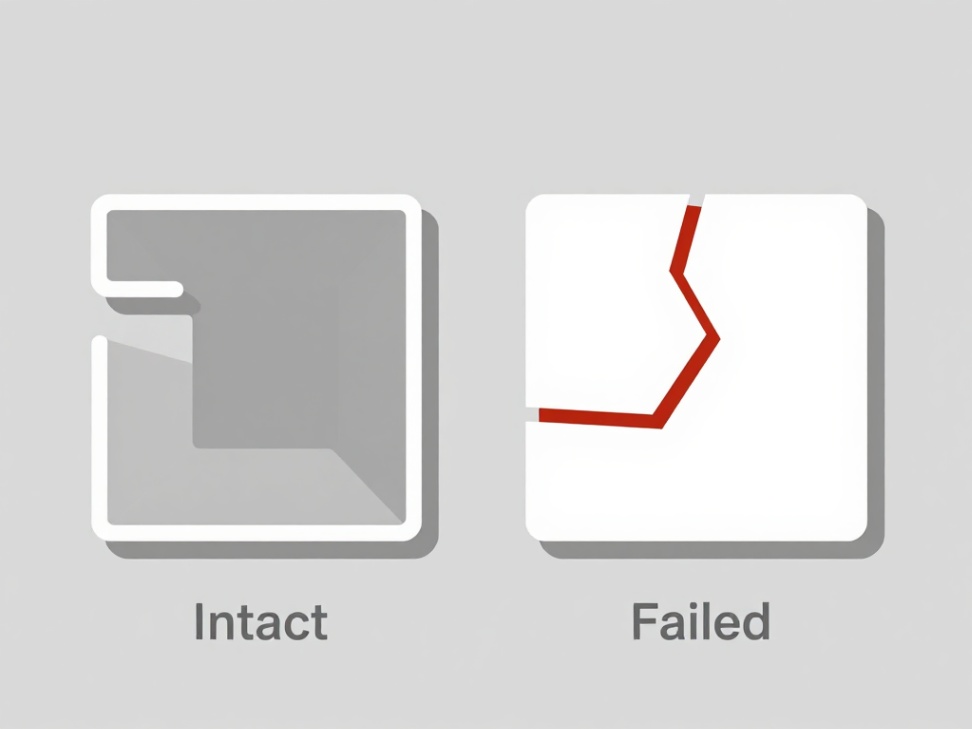
It is brittle. Like all advanced ceramics, from silicon nitride ceramic to boron nitride ceramic, it tolerates no plastic deformation. It fails by cracking. This isn’t a flaw; it’s a fundamental characteristic. Your design must accommodate it. You manage stress concentrations. You avoid impact loading. You specify appropriate surface finishes. Done right, it’s supremely reliable. Done wrong, you get that shattered tile.
From Lab to Life: Where Alumina Proves Its Worth
Talk is cheap. Performance is everything. Here’s where alumina silently powers your world.
- Wear & Abrasion: Pump seals, cyclone liners, shot blast nozzles. It outlasts steel by orders of magnitude in particle-laden environments.
- Electrical & Electronics: That white substrate in your car’s engine control unit? Alumina. It provides a stable, insulating, and thermally conductive platform for circuits.
- Medical: Hip joint balls, dental implants, surgical tool tips. Its biocompatibility and ability to be polished to a mirror finish are critical. It doesn’t react with the body.
- Industrial Tools: Cutting tools for cast iron, wire guides, texturing rollers. It maintains a sharp edge where steel would dull.
The Designer’s Rulebook: Handling This Material
You cannot treat it like metal. This mindset causes 90% of failures. Follow these rules.
- Design for Compression, Not Tension: Alumina is strong in compression, weak in bending or tension. Support loads to squeeze the component, not pull it apart.
- Eliminate Sharp Corners: All edges and holes require generous radii. A sharp corner is a ready-made crack starter.
- Specify the Right Finish: A ground finish is standard. A polished finish significantly increases strength by removing surface flaws. For critical components, this is non-negotiable.
- Join with Care: You cannot weld it. Use mechanical clamping, shrink fitting, or specialized adhesive systems designed for ceramics. The joint is often the weak point; design it first.
The Future Isn’t Always New: Alumina’s Enduring Edge
Research pushes boundaries with composites and ultra-high-temperature materials. New silicon carbide-bonded silicon nitride ceramics and reaction-sintered silicon carbide ceramics offer niche advantages. But alumina’s value proposition remains rock-solid. It is cost-effective, reliably manufactured, and supremely well-understood. For a wear plate, a seal, or an insulator, the latest lab marvel often can’t justify its cost over a well-specified alumina component. Sometimes, the best solution is the one that has been solving the problem perfectly for fifty years.
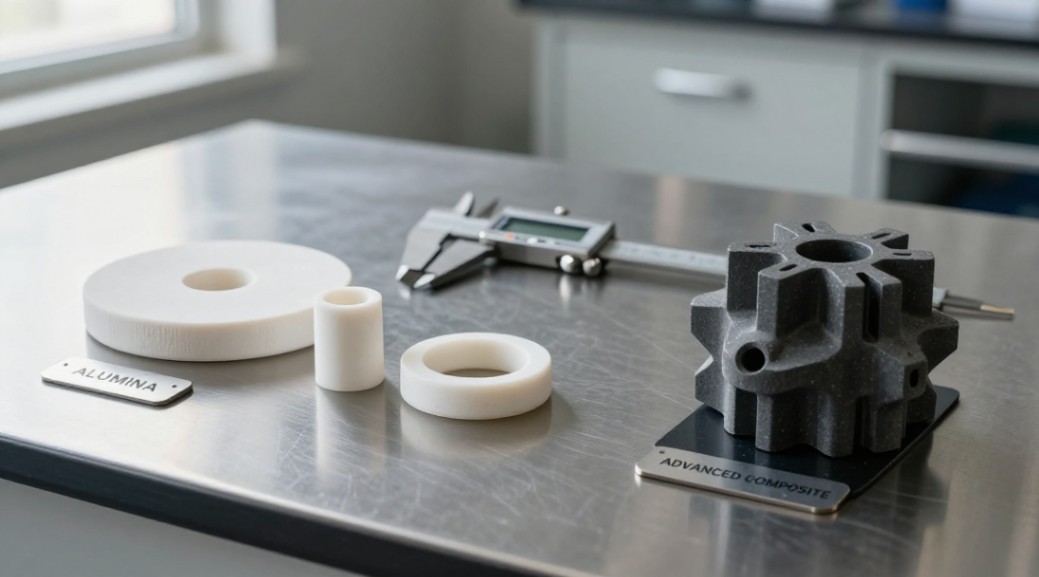
The true expertise lies not in chasing the newest material, but in mastering the application of a proven one. Understanding the exact grade, finish, and design constraints for your aluminum oxide ceramic part is what separates success from failure. It demands respect for its limitations and a clear vision of its strengths. When you get that right, it just works. Year after year.
Suppiler
Synthetic-chemical focus on the research and development, production and sales of ceramic products, serving the electronics, ceramics, chemical and other industries. Since its establishment in 2015, the company has been committed to providing customers with the best products and services, and has become a leader in the industry through continuous technological innovation and strict quality management.
Our products includes but not limited to Aluminum Nitride, Aluminum Oxide, Boron Carbide, Boron Nitride, Ceramic Crucible, ect. If you are interested in any type of these, please feel free to contact us.