Next-Generation Ceramics: Unlocking Superior Properties for Industry

The Reliable Constant
Have you ever spent months designing a perfect component, only to watch it fail in the field? The wear is too fast. The heat is too high. The environment is too corrosive. You search for a magic bullet material, a novel wonder-substance that promises to solve everything. In those moments of frustration, a quiet, unassuming workhorse is often overlooked. For over two decades, I’ve seen this pattern repeat. Teams chase the exotic, while the most reliable solution-aluminum oxide ceramic-sits patiently, waiting to be understood on a deeper level. It’s not the flashiest material. You won’t find breathless press releases about it every week. But in the relentless push for higher performance, its steadfast nature is precisely why it remains the backbone of countless critical industries. Let’s move beyond the basic datasheet and explore why.
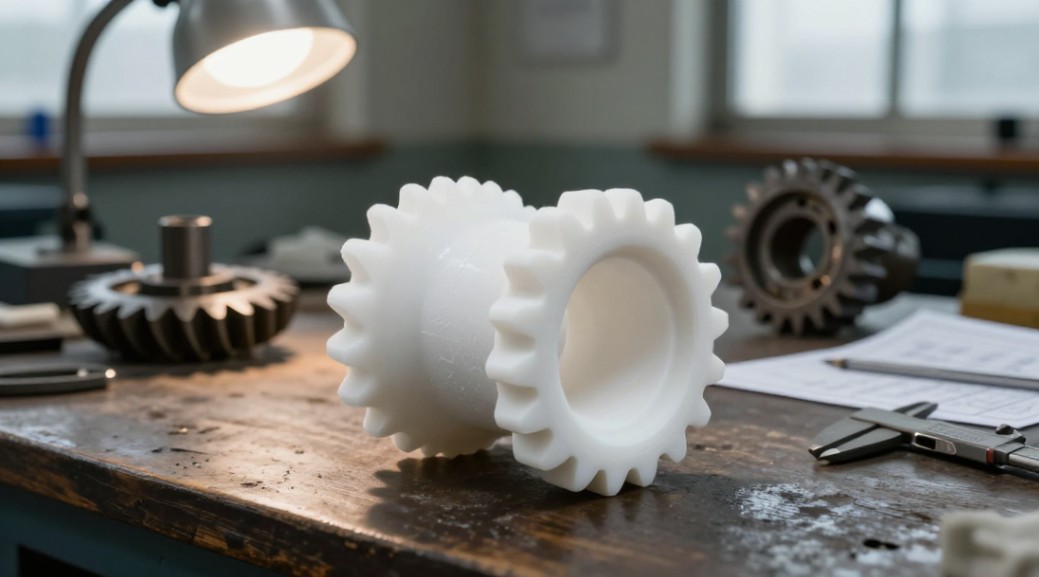
More Than Just Alumina
At its heart, aluminium oxide ceramic is defined by a profound simplicity: extreme hardness, exceptional electrical insulation, and a stubborn resistance to wear and heat. Its Mohs hardness of 9, just below diamond, isn’t just a number. It’s the reason your smartphone’s internal substrates don’t short circuit, why precision ball bearings in harsh environments last for years, and why cutting tools can slice through hardened steel. But to call it just a hard, insulating brick does a great disservice. The real magic lies in how we manipulate its microstructure. The journey from raw powder to a finished component is a dance of purity, grain size, and sintering science. A 96% alumina formulation offers tremendous cost-effectiveness for wear plates and industrial liners. Step up to 99.5% or 99.8% purity, and the game changes entirely. The glassy phase diminishes, grain boundaries strengthen, and the material’s thermal conductivity, corrosion resistance, and mechanical strength soar. This is the grade you trust for a hip implant bearing surface or the critical seal face in a chemical pump handling aggressive fluids. It’s a material of gradients, not absolutes.
The Comparison Every Engineer Needs
I often hear questions on engineering forums. ‘Should I use alumina or zirconia for this medical device?’ ‘Is silicon carbide better for high thermal shock?’ These are excellent questions, and the answers highlight alumina’s strategic role. Zirconia, specifically yttria-stabilized zirconia, offers superior fracture toughness and strength. It’s fantastic for applications where impact resistance is paramount. But it comes at a higher cost and with a complex aging phenomenon. Silicon carbide ceramic and silicon nitride ceramic are kings of thermal conductivity and high-temperature strength, making them ideal for turbine components and heat exchangers. However, they are significantly more expensive to machine. Where aluminum oxide ceramic shines is in its unparalleled balance. It provides excellent wear resistance, very good hardness, superb electrical insulation, and high-temperature capability up to 1700°C, all at a manufacturability and cost point that is often unbeatable. For a substrate, an insulator, a wear part, or a biocompatible component, it delivers 95% of the performance for 50% of the cost of more exotic options. That’s not a compromise; it’s smart engineering.
Stories from the Field
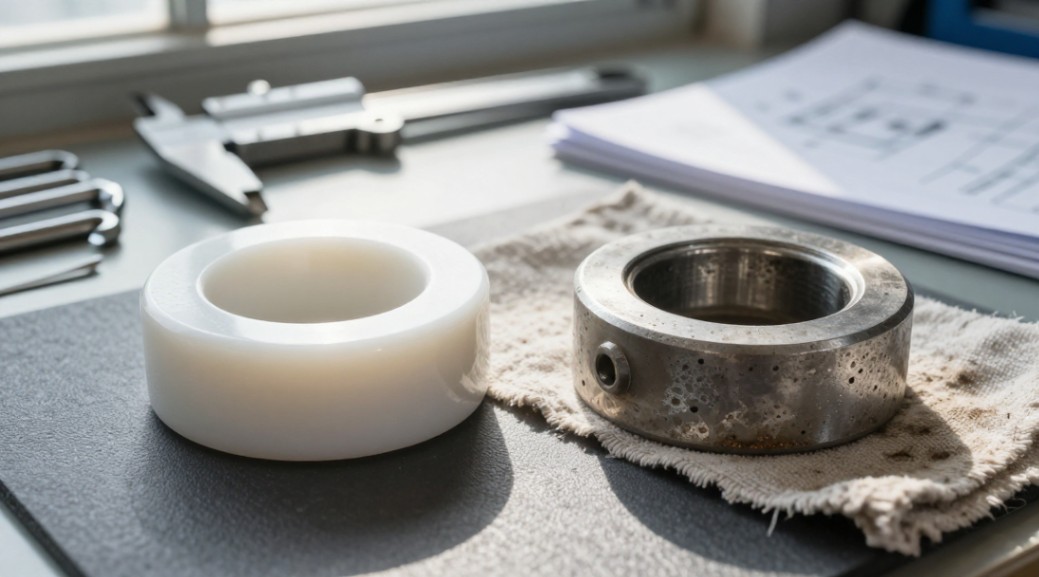
You don’t have to take my word for it. The proof is in silent operation. A design engineer recently shared a story about a fluid handling system that kept failing. The metallic seals were corroding, causing leaks and downtime. They switched to 99.5% aluminum oxide ceramic seal faces. The leaks stopped. The system now runs for years without intervention. In the electronics world, the demand for ever-smaller, more powerful devices pushes substrates to their limits. While aluminum nitride ceramic is used for its superior thermal conductivity in high-power modules, the vast majority of chip carriers and circuit boards still rely on alumina’s perfect blend of electrical insulation, thermal stability, and smooth, precise surface for printing fine circuits. And in the medical realm, its bio-inert nature is trusted. From dental roots to orthopedic joint replacements, it integrates without provoking a reaction, a testament to its chemical stability. This material doesn’t shout. It simply works.
Facing the Realities of Working with Alumina
Now, it’s not without its challenges. Its greatest strength-hardness-is also its main manufacturing hurdle. Machining a sintered aluminum oxide ceramic component requires diamond grinding tools. It’s a slow, precise, and therefore costly process. This is why designing for net-shape or near-net-shape forming during the green state is so critical. Furthermore, like most ceramics, it is brittle. You must design to avoid point loads and tensile stresses. Use it in compression, where it performs brilliantly. Understand these constraints, design around them, and you unlock a material of remarkable durability.
Where Do We Go From Here?
The future of aluminum oxide ceramic isn’t about being replaced. It’s about evolution and hybridization. Research is intensely focused on composites-infiltrating alumina matrices with other phases to enhance toughness or thermal properties. We see surface engineering through advanced coatings to reduce friction or add specific functionality. There’s even work on pushing the boundaries of ultra-high-temperature ceramics (UHTCs), where developing new oxide systems with melting points exceeding 3000°C is a key frontier. For alumina, innovation means becoming even more reliable, more specialized. It means engineered grain structures and tailored porosity for filtration, or ultra-high-purity forms for next-generation semiconductor processing. The trend is towards smarter application, not obsolescence.
Your Next Step
So, the next time you face a design challenge involving wear, heat, corrosion, or insulation, pause before jumping to the most exotic material on the list. Ask yourself if the robust, proven, and cost-effective solution has been fully considered. The deep insight isn’t that aluminum oxide ceramic is new. It’s that its enduring value is often underestimated. Start by getting samples. Test them. Speak with an experienced manufacturer who can guide you on purity grades and shaping processes. Feel its weight, its surface finish. This isn’t a speculative material. It’s a known quantity, a trusted partner in an uncertain engineering world. That reliability, honed over decades of service, is its most powerful trend of all.
Suppiler
Synthetic-chemical focus on the research and development, production and sales of ceramic products, serving the electronics, ceramics, chemical and other industries. Since its establishment in 2015, the company has been committed to providing customers with the best products and services, and has become a leader in the industry through continuous technological innovation and strict quality management.
Our products includes but not limited to Aluminum Nitride, Aluminum Oxide, Boron Carbide, Boron Nitride, Ceramic Crucible, ect. If you are interested in any type of these, please feel free to contact us.