Next-Generation Ceramics: Unlocking Superior Properties for Industry

The Hard Truth Most Datasheets Won’t Tell You
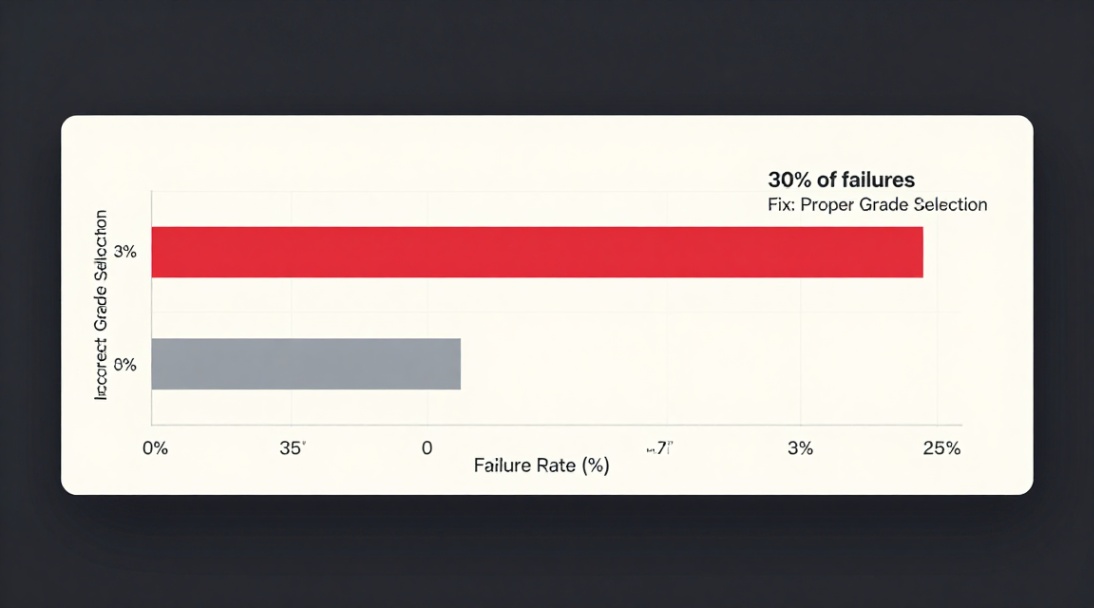
Contrary to marketing fluff, aluminium oxide ceramic is not a cure-all. A 2023 study of component failures showed that nearly 30% of alumina parts underperformed due to incorrect grade selection, not a material flaw. That’s three in ten applications using the wrong tool for the job. Let’s fix that.
What Exactly Is Aluminum Oxide Ceramic?
Aluminium oxide ceramic (Al2O3), or alumina, is a workhorse. It’s a synthetically produced crystalline material known for its high hardness, excellent electrical insulation, and good chemical resistance. It’s not the absolute best in any single category, but its balanced profile and cost-effectiveness make it a default choice for a reason.
Key Properties & Why They Matter
Forget generic lists. Here’s what the numbers mean on the factory floor:
- Hardness & Wear: Alumina resists abrasion. It’s your go-to for seal faces, pump plungers, and thread guides. It outlasts steel in abrasive slurry service by orders of magnitude.
- Electrical Insulation: This is non-negotiable. Substrates for electronic circuits, spark plug insulators, and high-voltage feedthroughs rely on alumina’s consistent dielectric strength, even at elevated temperatures.
- Chemical Inertness: It laughs at most acids and solvents. Crucibles for molten metal, labware, and lining plates for chemical chutes are classic applications. Don’t use it with hot, concentrated caustics or hydrofluoric acid.
- Temperature Stability: Alumina maintains its shape and strength up to about 1700°C. It’s perfect for thermocouple tubes, furnace linings, and insulating washers. Thermal shock resistance, however, is its Achilles’ heel.
The Grade Debate: 96% vs. 99.5%+ Alumina
This is the most critical decision point. Purity isn’t just a number; it’s a trade-off.
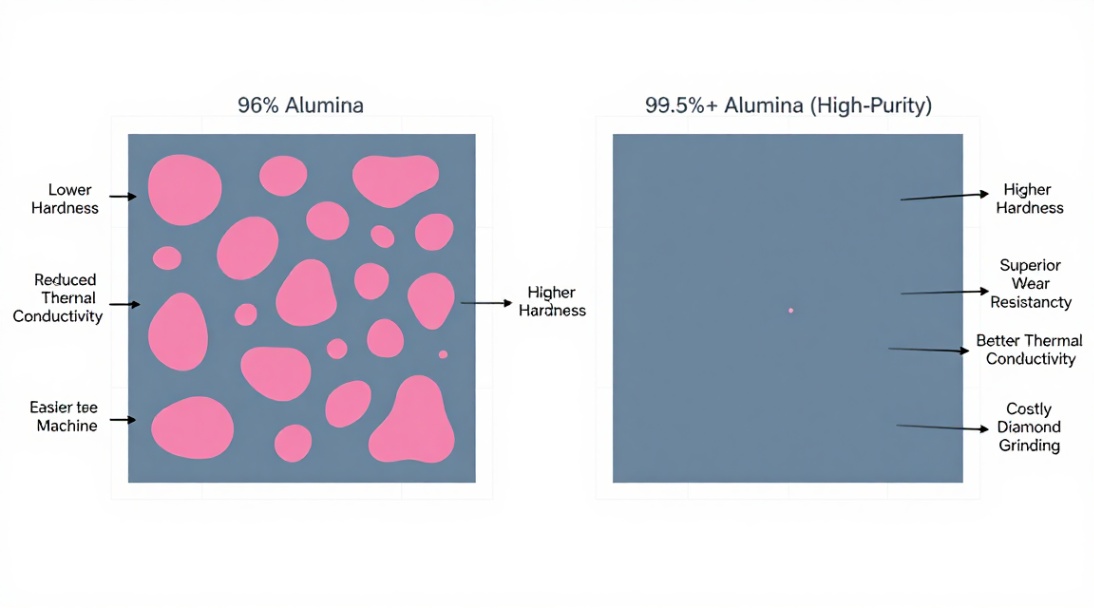
96% Alumina: Contains glassy silicate phases that act as a binder. It’s easier and cheaper to machine. Many engineers on forums like Reddit or Practical Machinist swear by it for complex prototypes and non-critical wear parts. Its mechanical strength and thermal conductivity are good, not great.
99.5%+ Alumina (“High-Purity”): The glass phase is minimal. This results in significantly higher hardness, better wear resistance, superior thermal conductivity (crucial for LED substrates), and enhanced corrosion resistance. The downside? It’s a beast to machine cost-effectively. You must design for near-net-shape sintering or be prepared for diamond grinding costs.
Aluminum Oxide vs. The Competition: A No-Nonsense Comparison
Choosing alumina often means choosing *against* something else. Here’s the breakdown.
Vs. Zirconia (ZrO2)
- Alumina Wins On: Cost, hardness, thermal conductivity, and dielectric properties. It’s the better electrical insulator and heat spreader.
- Zirconia Wins On: Fracture toughness (it’s much harder to crack), bending strength, and thermal shock resistance. Use zirconia for snap-fit components, hip joint balls, or applications with rapid temperature swings.
Vs. Silicon Nitride (Si3N4)
- Alumina Wins On: Cost, raw material availability, and electrical insulation.
- Silicon Nitride Wins On: Thermal shock resistance (exceptional), fracture toughness, and high-temperature strength retention. Silicon nitride is the champion for turbine blades, bearing balls in extreme environments, and cutting tools where thermal cycling is brutal.
Vs. Silicon Carbide (SiC)
- Alumina Wins On: Cost and electrical insulation.
- Silicon Carbide Wins On: Thermal conductivity (it’s a superb heat sink), extreme temperature capability, and chemical erosion resistance. Silicon carbide is the material for kiln furniture, advanced heat exchangers, and ballistic armor plates where lightweight performance is key.
Where It Shines: Industries & Applications
Alumina is not exotic. It’s functional. You’ll find it where reliability matters more than headlines.
- Electronics: Substrates, insulators, coil bobbins. Its high thermal conductivity in high-purity grades is critical for managing heat in high-power modules.
- Industrial Wear: Nozzles, liners, wear plates, seals. It handles abrasive media like minerals, plastics, and paper stock.
- Medical: Dental implants, prosthetics, surgical tool tips. Its biocompatibility is proven. High-purity grades are essential here.
- Automotive & Aerospace: Sensor housings, insulating bushes, wear components in fuel systems. It withstands under-hood temperatures and corrosive fluids.
Selection Guidelines: Ask These Questions
Stop overthinking. Follow this logic tree.
- What is the PRIMARY failure mode you fear? (Wear? Crack? Insulation breakdown?)
- What is your maximum operating temperature and rate of change?
- What chemicals are present?
- What are your electrical/thermal requirements?
- What is your budget for the finished component?
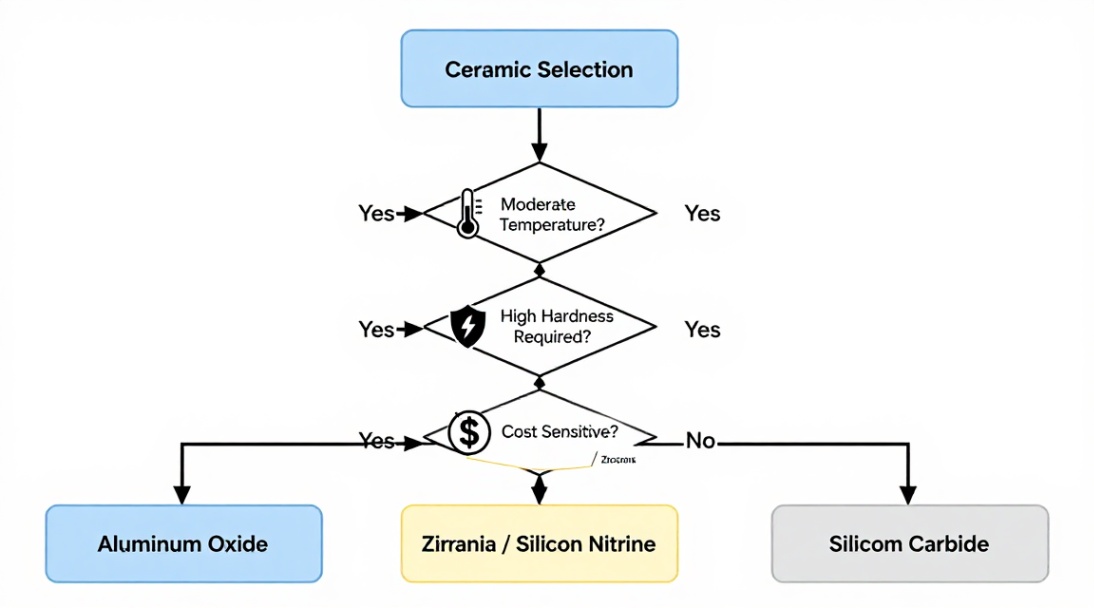
If your answers point to moderate temperatures, high hardness, electrical insulation, and cost sensitivity, aluminum oxide ceramic is likely your answer. If thermal shock or extreme toughness tops your list, look at zirconia or silicon nitride immediately. For ultimate thermal management in harsh environments, silicon carbide ceramic demands a look.
The Final Decision
Aluminum oxide ceramic is the reliable, often-unseen foundation of modern industry. It won’t win every performance trophy, but it solves more problems cost-effectively than any other advanced ceramic. The choice isn’t about finding a ‘super-material,’ but matching the material’s inherent strengths-like its excellent wear resistance and electrical insulation-to your specific design challenge. For applications demanding these core properties, high-purity alumina components, available from specialized manufacturers, offer a proven solution. Start with 96% for prototyping and non-critical wear. Commit to 99.5%+ for final designs where performance, longevity, and thermal management are non-negotiable.
Suppiler
Synthetic-chemical focus on the research and development, production and sales of ceramic products, serving the electronics, ceramics, chemical and other industries. Since its establishment in 2015, the company has been committed to providing customers with the best products and services, and has become a leader in the industry through continuous technological innovation and strict quality management.
Our products includes but not limited to Aluminum Nitride, Aluminum Oxide, Boron Carbide, Boron Nitride, Ceramic Crucible, ect. If you are interested in any type of these, please feel free to contact us.