Next-Generation Ceramics: Unlocking Superior Properties for Industry

Have You Ever Faced a Material That Just Couldn’t Keep Up?
Is your component wearing out far too quickly, unable to handle abrasive conditions? Are you dealing with electrical failures because an insulator can’t withstand the heat or voltage? Maybe you’re designing a medical implant that needs to be incredibly inert and strong. If these problems sound familiar, you’re not alone. I’ve guided hundreds of engineers and designers through this exact frustration. Let’s talk about a material that consistently provides answers: aluminum oxide ceramic.
What is Aluminum Oxide Ceramic?
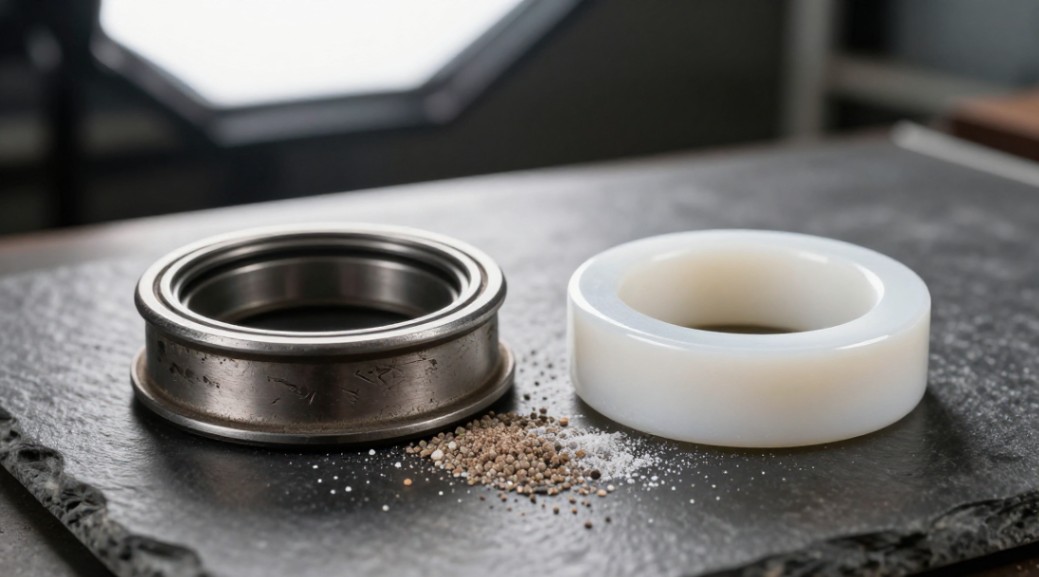
At its core, aluminium oxide ceramic (often called alumina) is an advanced inorganic, non-metallic material. We produce it by forming and then sintering (a high-temperature firing process) aluminum oxide powder, primarily composed of Al2O3. Don’t confuse it with the raw aluminum oxide powder; the ceramic is the dense, engineered final product. It’s a cornerstone of technical ceramics, prized for its reliable balance of properties.
The Top 7 Properties That Make Alumina a Go-To Material
Here’s why you should consider aluminium oxide ceramic for demanding applications. These properties address the most common design pain points head-on.
- Exceptional Hardness & Wear Resistance: It ranks 9 on the Mohs scale (just below diamond). This makes it perfect for components facing constant abrasion, like seals, bearings, and pump liners. It simply outlasts metals and polymers in harsh environments.
- Superb Thermal Stability: Alumina maintains its strength and shape at high temperatures, typically up to 1600°C (2912°F). This makes it ideal for furnace components, thermocouple tubes, and settings where metals would soften or creep.
- Excellent Electrical Insulation: It offers very high dielectric strength and volume resistivity. This is why it’s the standard material for substrates in electronic circuits and high-voltage insulators.
- High Chemical Inertness: It resists attack from most acids, alkalis, and molten metals. This corrosion resistance is invaluable in chemical processing equipment and biomedical applications like dental implants and bone substitutes.
- Good Mechanical Strength: While not the absolute toughest ceramic (that title often goes to zirconia or silicon nitride), alumina provides excellent compressive strength, making it suitable for load-bearing components.
- Cost-Effective Availability: Compared to many other engineering ceramics like aluminum nitride ceramic or boron carbide ceramic, alumina is relatively affordable and widely available in many forms and grades.
- Biocompatibility: Its inert nature allows the body to accept it, leading to its trusted use in medical prosthetics and implants for decades.
Where You’ll Find Aluminum Oxide Ceramic in Action
This material isn’t just for labs. It’s a real-world problem solver. Here are its most common industrial roles.
1. Electronics & Electrical Engineering
- Circuit Substrates: The flat, white board inside many electronic packages. Its insulation prevents short circuits.
- High-Voltage Insulators: Used in power transmission and spark plugs, where it must isolate thousands of volts.
- Sensor Housings: Protects sensitive electronics in hot or corrosive environments.
2. Industrial Wear & Components
- Seals and Bearings: For pumps and valves handling abrasive slurries.
- Cutting Tools and Abrasives: Often as inserts or grinding media. Alumina-based tools efficiently machine cast iron and other hard materials.
- Liners for Pipes and Hoppers: Shields metal surfaces from wear, dramatically extending equipment life.
3. Medical & Laboratory
- Dental Implants and Orthodontic Brackets: Valued for strength, aesthetics, and biocompatibility.
- Prosthetic Joint Components: Used in hip and knee replacements.
- Labware: Crucibles, tubes, and plates that must survive repeated high-temperature use.
Choosing the Right Grade: Purity is Key
Not all alumina is created equal. The performance leaps with purity. Selecting the wrong grade is a common mistake I see.
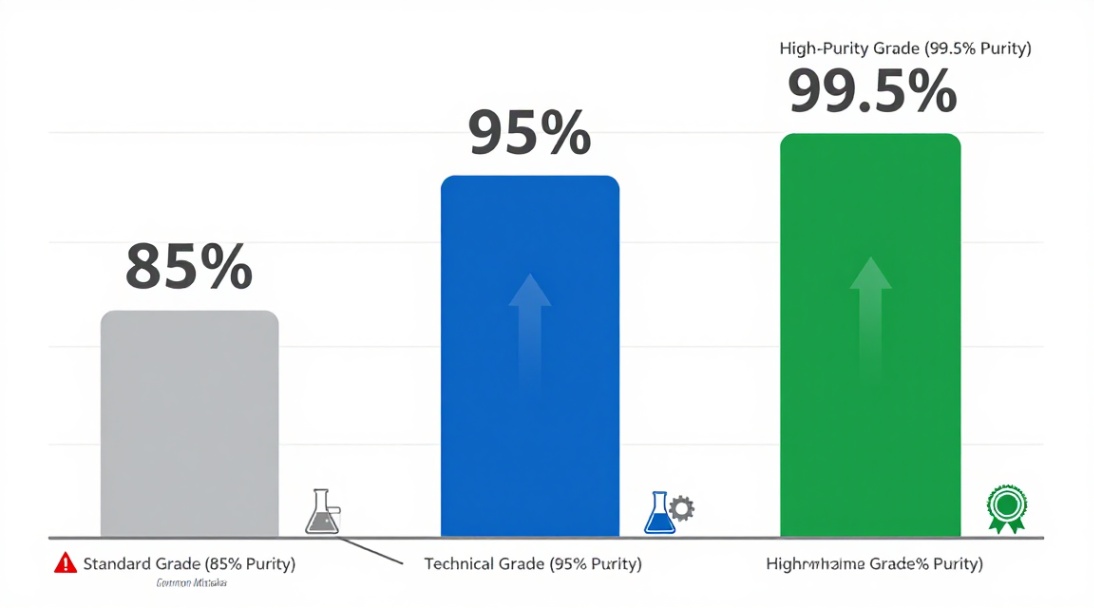
- 96% Alumina: The workhorse. Excellent for most mechanical and wear applications. Offers a great balance of properties and cost. Think wear plates, seals, and many industrial parts.
- 99.5% Alumina (and higher): This is for high-performance needs. Purer alumina has significantly higher hardness, better thermal conductivity, and superior electrical insulation. Use this for critical electronic substrates, advanced furnace components, and high-end labware.
- Design Tip: Always specify the required purity to your ceramic manufacturer. The difference between 96% and 99.5% can mean success or failure for your application.
How It Stacks Up Against Other Engineering Ceramics
Alumina is fantastic, but it’s not the only option. The right choice depends on your primary challenge.
- Vs. Zirconia (ZrO2): Zirconia is much tougher (higher fracture toughness) and stronger, but it’s often more expensive and has lower maximum use temperature. Choose zirconia for components subject to high impact.
- Vs. Silicon Nitride (Si3N4): Silicon nitride has exceptional thermal shock resistance and fracture toughness. It’s the top choice for high-performance bearings and cutting tools for tough alloys.
- Vs. Silicon Carbide (SiC): Silicon carbide ceramic has higher thermal conductivity and is even harder. It excels in extreme wear applications and high-temperature heat exchangers. Reaction-sintered and pressureless sintered silicon carbide ceramics offer different balances of properties.
- Vs. Aluminum Nitride (AlN): Aluminum nitride ceramic boasts superb thermal conductivity (like a ceramic heat sink) while still insulating electrically. It’s specialized for high-power electronics cooling.
Working With Alumina: Design and Machining Notes
Like all ceramics, alumina is hard and brittle. You can’t treat it like metal. Plan ahead.
- Design for Ceramics: Avoid sharp corners. Use generous radii. Minimize stress concentrators. Tolerances are different than for metals-consult your fabricator early.
- Machining: It must be ground with diamond tools after sintering. This is a specialized process. Complex shapes are often best formed to near-net shape before firing to minimize costly diamond grinding.
- Community Insight: Many users on engineering forums like Reddit advise, ‘Get your ceramic supplier involved in the design phase. They can guide you on manufacturability and save you from expensive redesigns later.’ I echo this completely.
The Future and Your Next Step
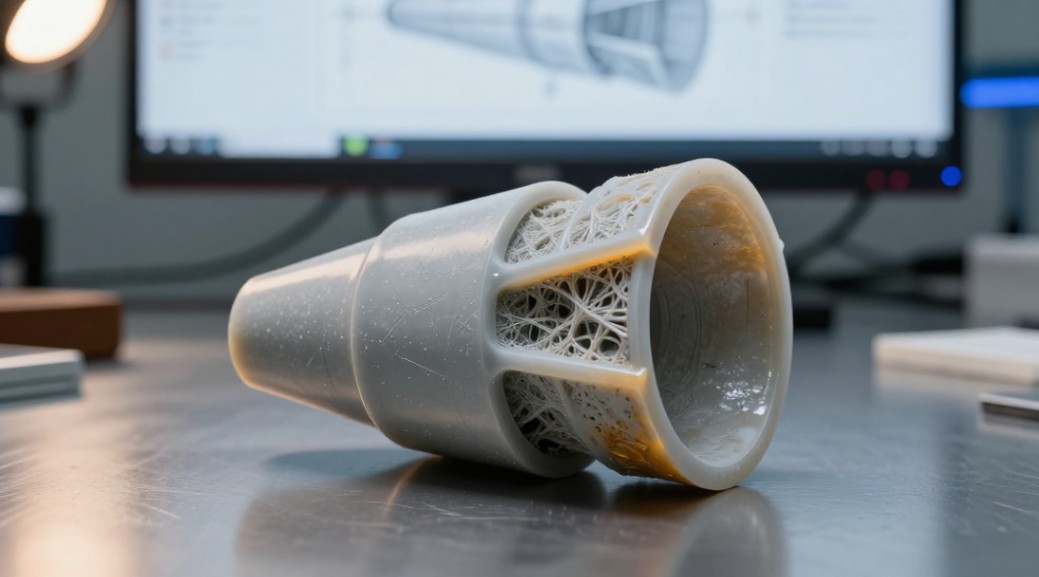
The field isn’t static. Research focuses on composites-like reinforcing alumina with fibers or combining it with other ultra-high-temperature ceramics (UHTCs)-to improve toughness for advanced structural uses. Imagine alumina components in next-generation aerospace or energy systems.
So, where do you start? If aluminum oxide ceramic sounds like a potential solution for your wear, heat, or insulation problem, the next step is to get a sample and test it. Reputable suppliers can provide small quantities or test coupons. Describe your application’s specific stresses (temperature, chemicals, load, abrasion) to them. They can recommend the optimal grade-be it a standard 96% alumina or a high-purity formulation. Testing a real piece in your environment is the only way to be sure. It’s a step that has unlocked reliable performance for countless projects I’ve been part of.
Suppiler
Synthetic-chemical focus on the research and development, production and sales of ceramic products, serving the electronics, ceramics, chemical and other industries. Since its establishment in 2015, the company has been committed to providing customers with the best products and services, and has become a leader in the industry through continuous technological innovation and strict quality management.
Our products includes but not limited to Aluminum Nitride, Aluminum Oxide, Boron Carbide, Boron Nitride, Ceramic Crucible, ect. If you are interested in any type of these, please feel free to contact us.