Next-Generation Ceramics: Unlocking Superior Properties for Industry

Alumina is a Workhorse, Not a Miracle Worker
Don’t mistake aluminium oxide ceramic (alumina, Al2O3) for a universal solution. It is the most widely used advanced ceramic for excellent reasons, but its dominance leads to a dangerous assumption: “it’ll do.” We’ve seen countless projects run aground because engineers selected this material without respecting its hard limits. Let’s walk through the most common and expensive errors so you can avoid them.
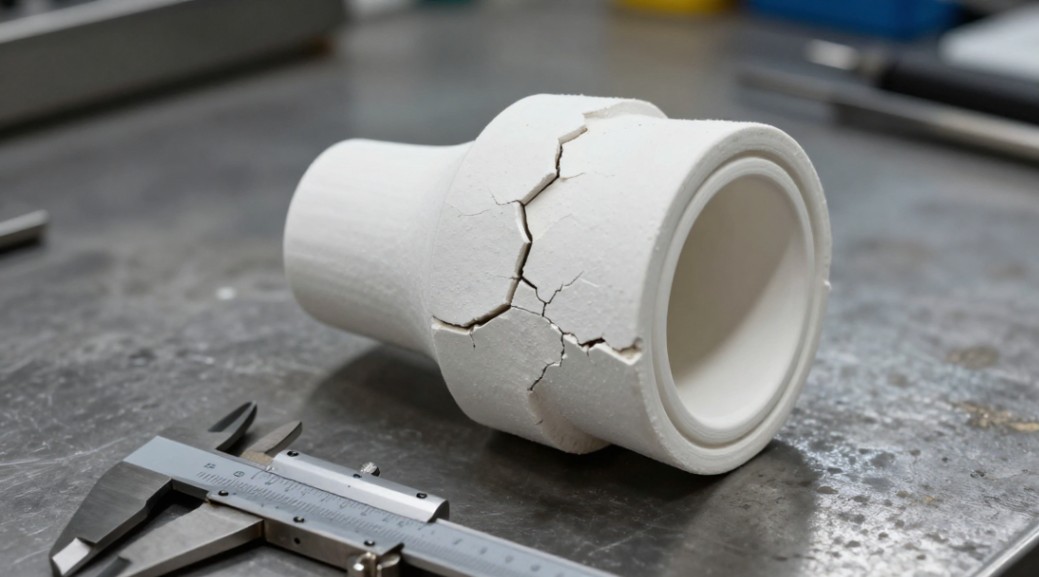
Mistake #1: Ignoring the Brittleness Trap
Never design with aluminium oxide ceramic as if it’s a metal. Its most significant limitation is its inherent brittleness and low fracture toughness. We stress this first because it’s the number one cause of catastrophic field failure. Under tensile or impact loading, alumina doesn’t deform; it cracks. Unlike silicon nitride or certain silicon carbide ceramics engineered for better toughness, a sharp corner or a tiny surface flaw can become a fatal stress concentrator.
The fix? Design for ceramics from the start. Use generous radii. Avoid press-fits that create hoop stress. Never assume it will handle point impacts or uneven loading. If your application involves shock, consider continuous fiber reinforcement techniques, which can boost fracture toughness dramatically, but understand that this transforms it into a composite, not a monolithic aluminum oxide ceramic part.
Mistake #2: Overlooking Thermal Conductivity Myths
Don’t assume alumina is a great thermal conductor. For an electrical insulator, its thermal conductivity (typically 20-35 W/mK) is decent. But it’s not in the same league as dedicated heat-spreading materials. This is where we see costly confusion.
If your primary need is moving heat away from a component, aluminum nitride ceramic (150-180 W/mK) is the superior choice. For even more extreme conductivity, look at specialty grades of silicon carbide ceramic. Choosing alumina for a critical heat sink role because it’s “good enough” often leads to thermal throttling and premature electronics failure. Match the property to the actual requirement.
Mistake #3: Confusing Purity with Performance
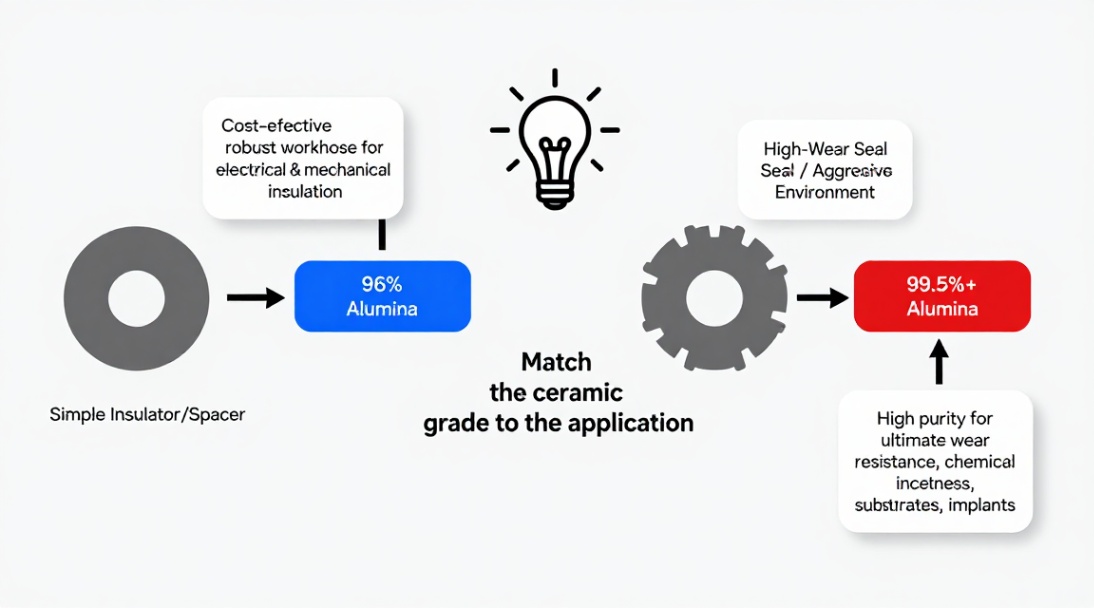
Never specify a 99.5% alumina grade when 96% will do, and vice versa. The purity level dictates cost, machinability, and key properties. Higher purity (like 99.5% Al2O3) means higher hardness, better wear resistance, superior corrosion resistance, and higher operating temperature. But it’s also more expensive and significantly harder to machine.
Using high-purity alumina for a simple insulating spacer is wasteful. Conversely, using 96% alumina in a high-wear seal face or a aggressive chemical environment will lead to rapid degradation. Know the grades. 96% alumina is a robust mechanical and electrical workhorse. 99.5%+ is for when you need the ultimate in performance for wear parts, advanced substrates, or medical implants.
Mistake #4: Underestimating Machining and Tolerance Costs
Do not design intricate, tight-tolerance aluminum oxide ceramic components without a detailed conversation with your manufacturer first. Post-sinter machining of this hard, brittle material is a specialized skill. Every cut, hole, and thread adds cost.
We advise designing to use as-fired surfaces where possible. Specify tolerances no tighter than absolutely necessary. Complex geometries often make processes like dry pressing impossible, forcing you into more expensive forming routes. A simple design change, like adding a draft angle or widening a slot, can cut the unit cost in half.
Mistake #5: Failing the Comparative Material Check
You must actively rule out other ceramics before settling on alumina. It’s not always the best answer. Run this quick mental checklist:
- Need higher toughness and strength? Look at zirconia or silicon nitride ceramic.
- Need extreme hardness for abrasion or armor? Boron carbide ceramic is harder, but more expensive.
- Need exceptional thermal shock resistance? Consider silicon nitride or mullite ceramic.
- Need a high-temperature lubricant or release agent? That’s a job for boron nitride ceramic, often applied as a special coating for boron nitride ceramic crucibles.
Alumina excels at being very good at many things-electrical insulation, wear resistance, high-temperature stability, biocompatibility-at a reasonable cost. But when your application leans heavily on one specific property, another material often performs better.
A Principled Approach to Aluminum Oxide Ceramic
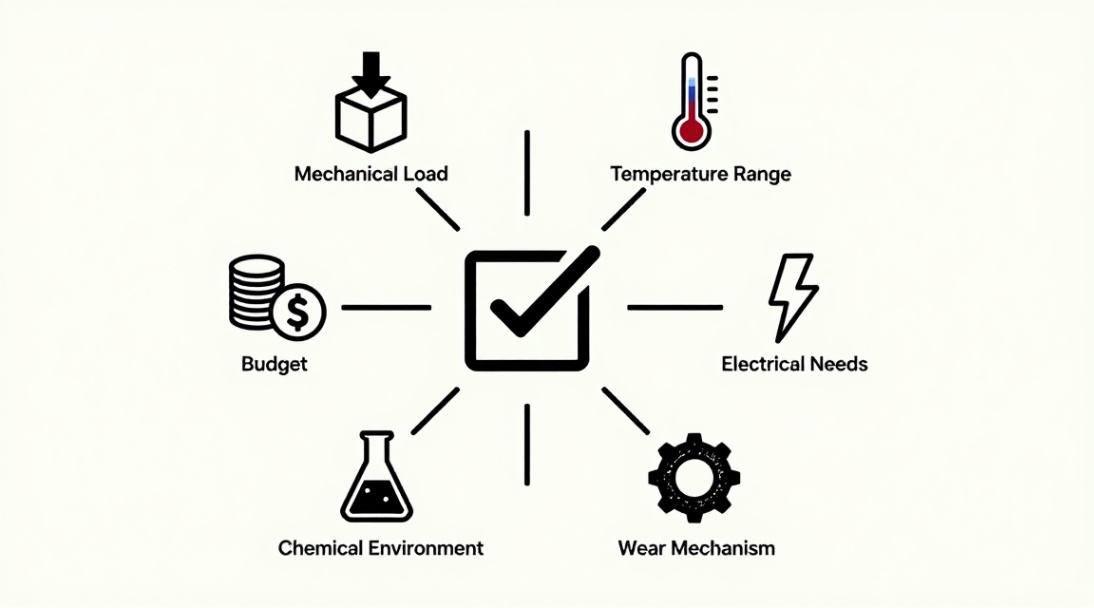
The goal isn’t to scare you away from aluminium oxide ceramic. We use it every day. The goal is to foster respect. Start with a clear list of non-negotiable requirements: mechanical load type, temperature range, electrical needs, wear mechanism, chemical environment, and budget. Let those requirements drive the material selection.
Alumina’s role is foundational. It’s the substrate that powers electronics, the seal that contains pumps, the liner that outlasts steel, and the implant that bonds with bone. By avoiding these common pitfalls, you harness its true power without the painful failures. Your design will be stronger, your project will stay on budget, and your component will work as intended for years. That’s the real value of experience.
Suppiler
Synthetic-chemical focus on the research and development, production and sales of ceramic products, serving the electronics, ceramics, chemical and other industries. Since its establishment in 2015, the company has been committed to providing customers with the best products and services, and has become a leader in the industry through continuous technological innovation and strict quality management.
Our products includes but not limited to Aluminum Nitride, Aluminum Oxide, Boron Carbide, Boron Nitride, Ceramic Crucible, ect. If you are interested in any type of these, please feel free to contact us.