Next-Generation Ceramics: Unlocking Superior Properties for Industry

A Costly Lesson in Ceramic Specification
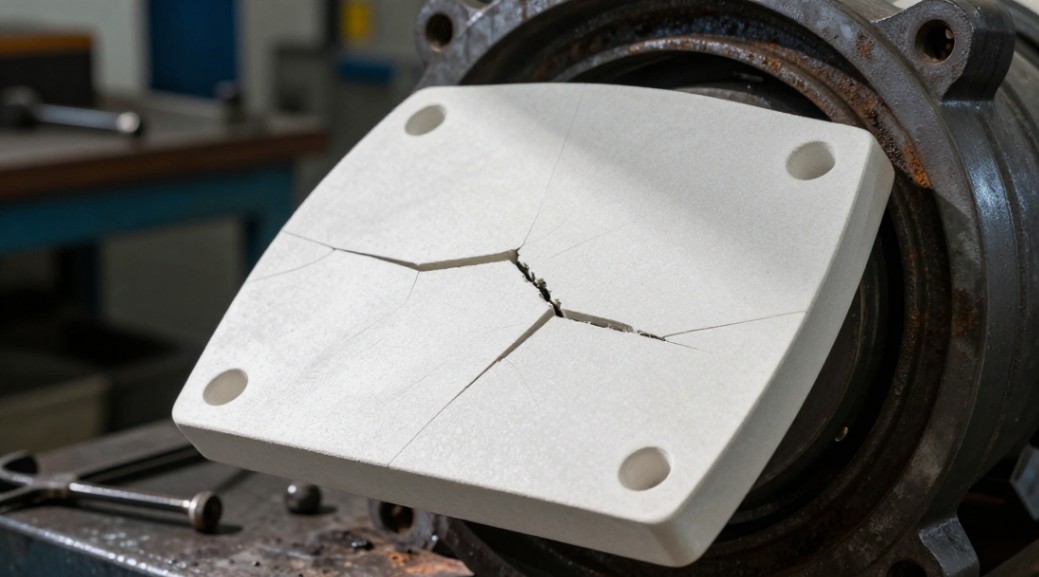
Early in my career, I saw a project derailed by a simple oversight. A team designed a custom wear plate using a standard 96% alumina ceramic. It performed beautifully in initial tests. Then it went into a chemical pump. Within weeks, it fractured. The culprit? Thermal shock from a routine cleaning cycle. We assumed “aluminum oxide ceramic” was a uniform, indestructible material. We were wrong. That experience taught me a fundamental lesson: understanding what aluminum oxide ceramic is not is just as important as knowing what it is. Let’s walk through the most common mistakes so you can avoid them.
Mistake #1: Treating All Alumina Ceramics as Equal
This is the biggest trap. You see “Al2O3” on a spec sheet and think the job is done. Do not stop there. The properties you need depend almost entirely on purity and processing.
The Purity Paradox
Think of purity as the material’s potential. A 99.5% aluminium oxide ceramic offers exceptional hardness and wear resistance, top-tier electrical insulation, and excellent chemical inertness. It’s the go-to for semiconductor components and demanding medical implants. A 96% alumina grade incorporates silica and other sintering aids. This makes it cheaper and easier to form, but it sacrifices some high-temperature performance and corrosion resistance. Picking the wrong one is a recipe for premature failure.
Your choice is cemented during the sintering process. Isostatic pressing yields a uniform, high-density part. Dry pressing is more cost-effective for simple shapes. Injection molding allows for intricate geometries. Each process affects the final pore structure and strength. Never let a vendor default to their cheapest process without asking why.
Mistake #2: Ignoring the Competition from Other Ceramics
Alumina is a fantastic workhorse. But it’s not always the champion. Blindingly selecting it for every application wastes money and performance. Let’s do a logical comparison.
Say you need a wear-resistant cutting tool insert. Alumina is hard. But silicon carbide ceramic is harder and offers better thermal conductivity. Is thermal shock your main enemy? Silicon nitride ceramic often outperforms alumina. Need a substrate for a high-power circuit? Aluminium nitride ceramic conducts heat away orders of magnitude better. We must think in systems, not just materials.
The Advanced Ceramic Decision Matrix
Here is a straightforward, logic-based comparison. Use it to challenge your initial assumptions.
| Material | Primary Strength vs. Alumina | Key Weakness vs. Alumina | When to Choose Instead |
|---|---|---|---|
| Zirconia (ZrO2) | Much higher fracture toughness; superior strength. | Lower hardness; more expensive. | Structural components under high tensile stress or impact. |
| Silicon Nitride (Si3N4) | Exceptional thermal shock resistance; high strength at temperature. | More complex to process; higher cost. | High-temperature engine components, severe thermal cycling environments. |
| Aluminum Nitride (AlN) | Superior thermal conductivity (∼10x alumina). | Lower mechanical strength; more costly. | Electronic substrates and packages where heat dissipation is critical. |
| Silicon Carbide (SiC) | Higher hardness and thermal conductivity; better chemical resistance. | More brittle; can be more difficult to machine pre-sintering. | Extreme wear applications, high-temperature kiln furniture, abrasion-resistant seals. |
| Boron Carbide (B4C) | Extreme hardness (for armor). | Very low fracture toughness; very expensive. | Armor plating, specific abrasive applications. Not a general substitute. |
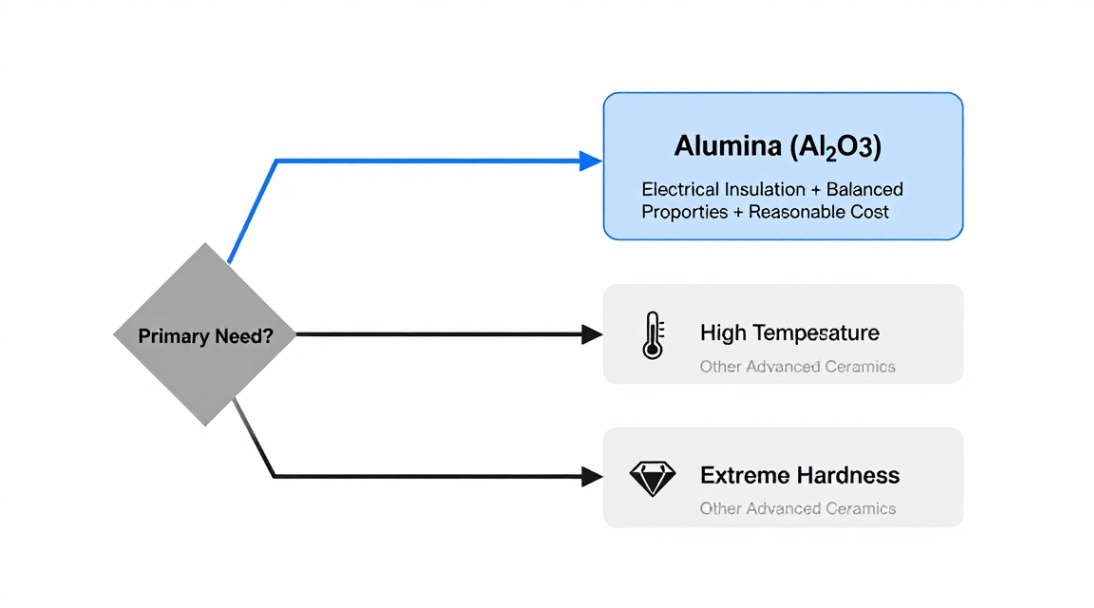
The logic is clear. If your primary need is electrical insulation and good all-around properties at a reasonable cost, alumina is likely perfect. If another property is paramount, look elsewhere.
Mistake #3: Overlooking the Application’s True Environment
We focus on the obvious loads: pressure, friction, temperature. The silent killers are often ignored.
The Hidden Aggressors
Chemical inertness is a hallmark of aluminum oxide ceramic. But it’s not universal. Concentrated hydrofluoric acid and hot phosphoric acid will attack it. In medical implants, biocompatibility is non-negotiable. High-purity alumina excels here. For a furnace component, long-term creep resistance at 1500°C matters. A 99.5% alumina made via isostatic pressing will outperform a dry-pressed 96% part.
Consider every phase of the lifecycle. A part might handle operational temperature perfectly. Can it survive a rapid cooldown during maintenance? That’s thermal shock. Does the assembly process put tensile stress on a brittle corner? Redesign the interface. Think about mating surfaces. A metal component pressed against alumina will wear differently. Sometimes, the solution involves a special coating, much like those used on boron nitride ceramic crucibles to prevent reaction.
Getting It Right: Your Specification Checklist
Don’t just order “an alumina part.” Have a conversation with your supplier built on this logic.
- Define the Primary Failure Mode: Is it wear, fracture, corrosion, or electrical breakdown? Be specific.
- Map the Full Environmental Load: List all chemicals, temperatures (max, min, cycling), and mechanical stresses.
- Challenge the Alumina Assumption: Using the table above, ask if another ceramic like silicon carbide or zirconia is truly a better fit.
- Specify Purity and Process: Based on points 1 & 2, dictate the alumina grade (e.g., 99.5%) and preferred forming method (e.g., isostatic pressing for uniformity).
- Design for Ceramics: Avoid sharp corners. Specify compressive loading. Allow for thermal expansion mismatch with adjacent materials.
This disciplined approach prevents surprises. It transforms alumina from a generic material into a precision-engineered solution. For wear parts, cutting tools, and electronic substrates, a correctly specified aluminum oxide ceramic is incredibly reliable. But you must do the homework first.
The Logical Next Step
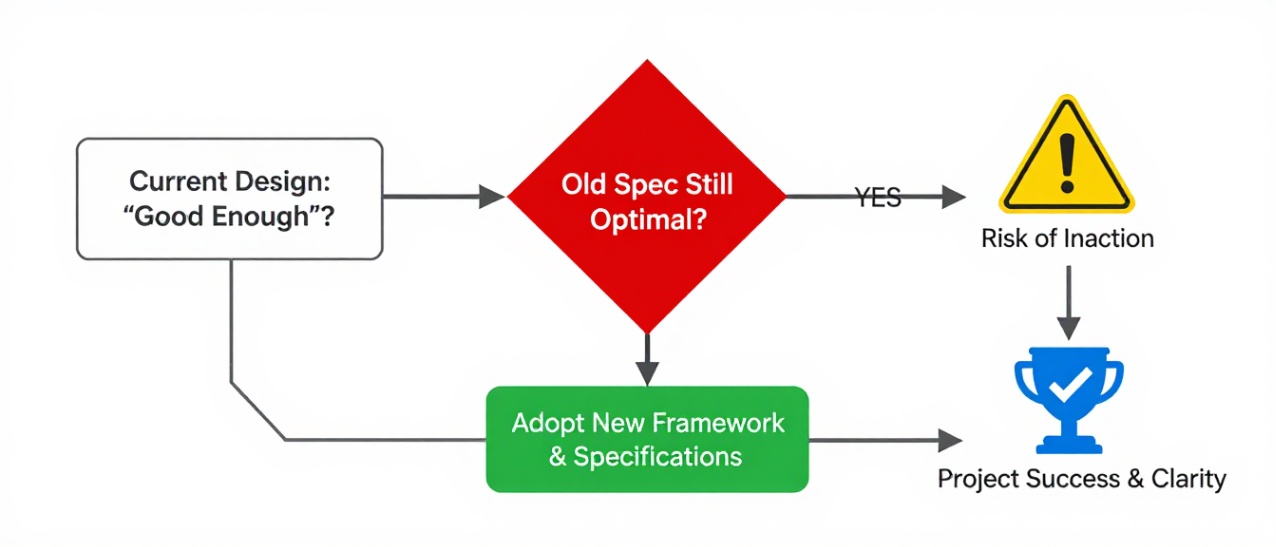
The biggest risk now is inaction. You might stick with an old, suboptimal specification because it’s “good enough.” Don’t. Review your current designs against these three mistakes. If you’re prototyping a new component, start with this logical framework. The goal isn’t to make alumina look bad. It’s to ensure it succeeds brilliantly in the roles where it’s genuinely the best choice. Your projects deserve that clarity.
When you need to test a specific hypothesis-like whether a higher-purity alumina will solve a corrosion issue-that’s where precise prototyping becomes critical. Working with a partner who understands the nuances of dry pressing versus injection molding for your geometry can turn this logical analysis into a successful, durable part. Let’s stop guessing and start engineering with intent.
Suppiler
Synthetic-chemical focus on the research and development, production and sales of ceramic products, serving the electronics, ceramics, chemical and other industries. Since its establishment in 2015, the company has been committed to providing customers with the best products and services, and has become a leader in the industry through continuous technological innovation and strict quality management.
Our products includes but not limited to Aluminum Nitride, Aluminum Oxide, Boron Carbide, Boron Nitride, Ceramic Crucible, ect. If you are interested in any type of these, please feel free to contact us.