Next-Generation Ceramics: Unlocking Superior Properties for Industry

What is Aluminium Oxide Ceramic?
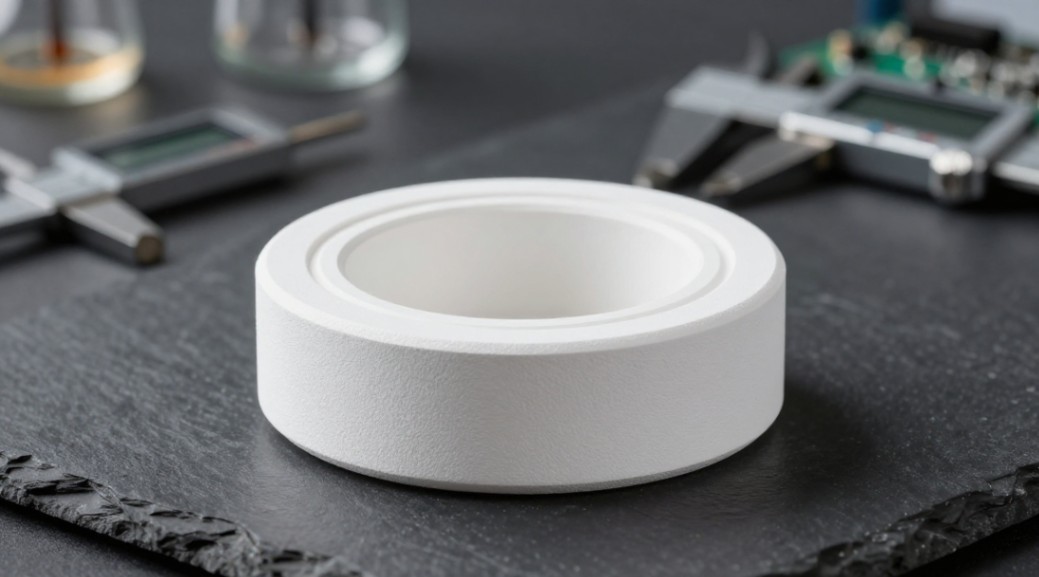
Aluminium oxide ceramic is a technical ceramic primarily composed of aluminium and oxygen (Al2O3). This high-performance material is known for its exceptional hardness, excellent electrical insulation, and strong resistance to wear and corrosion. If you need a component that must withstand harsh environments, aluminum oxide ceramic is often the first choice. Its versatility makes it a cornerstone in modern engineering, from protecting machinery to enabling microchips.
Core Properties and Key Applications
The power of aluminum oxide ceramic comes from a balanced combination of properties. It offers a very hard surface that resists abrasion. It maintains its shape and strength at high temperatures. Crucially, it is an excellent electrical insulator, even in demanding conditions. This unique profile dictates where it’s used.
- Wear-Resistant Components: Seals, pump plungers, and nozzles that handle abrasive slurries rely on its hardness.
- Electrical Insulators: It provides the insulating substrate and housings for spark plugs, circuit breakers, and semiconductor equipment.
- Thermal Components: Used in kiln furniture and thermal processing tubes due to its thermal stability.
- Medical Applications: High-purity grades are essential for dental implants, orthopedic bearings, and surgical tools because they are biocompatible and inert.
- Semiconductor Manufacturing: Ultra-high-purity alumina is critical for wafer processing equipment, where even trace contamination is unacceptable.
On forums like Reddit, engineers often praise alumina for being a reliable workhorse. One user noted, ‘For a cost-effective, off-the-shelf technical ceramic that provides great electrical insulation and decent wear resistance, alumina is hard to beat for non-impact applications.’
Understanding Material Grades and Purity
Not all aluminium oxide ceramic is the same. Performance scales directly with purity. The general rule is simple: higher purity means better properties but higher cost. Selecting the correct grade is your most critical decision.
| Purity Grade | Key Characteristics | Typical Applications |
|---|---|---|
| 85% – 95% | Good mechanical strength, most cost-effective. Lower thermal conductivity and electrical insulation than higher grades. | General wear parts, spray nozzles, textile guides, low-voltage insulators. |
| 96% – 99.5% | Excellent balance of performance and price. Superior hardness, strength, and electrical resistivity. | Pump seals, valve seats, medical device components, semiconductor handling parts. |
| 99.5% – 99.9%+ | Highest performance. Maximum corrosion resistance, electrical insulation, and thermal stability. Translucent or semi-transparent when sintered. | High-performance labware, semiconductor fabrication chambers, advanced medical implants, high-pressure sodium lamp envelopes. |
Advantages and Limitations: A Balanced View
Alumina is phenomenal, but it’s not magical. Knowing its limits is just as important as knowing its strengths. This honest appraisal will help you design for success.
Key Advantages:
- High Hardness & Wear Resistance: It outlasts most metals in abrasive environments.
- Excellent Thermal Stability: It retains its properties at temperatures exceeding 1500°C (2732°F).
- Superb Electrical Insulation: It has high dielectric strength and volume resistivity.
- Chemical Inertness: It resists attack from many acids, alkalis, and molten metals.
- Biocompatibility: High-purity grades are safe for long-term use in the human body.
Primary Limitations:
- Brittleness: Like most ceramics, it has low fracture toughness and is susceptible to chipping or cracking under impact or point loading.
- Machining Difficulty: Once sintered, it can only be processed using diamond grinding tools, which adds to the final part cost.
- Lower Thermal Shock Resistance: Compared to materials like silicon nitride, it is more prone to cracking from rapid temperature changes.
How Aluminum Oxide Compares to Other Advanced Ceramics
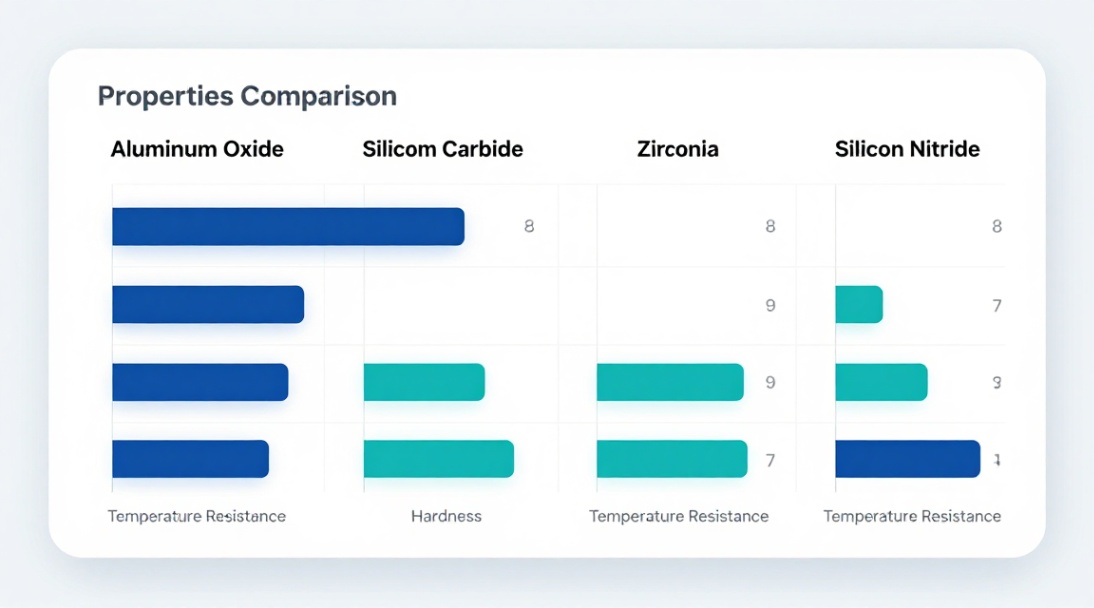
Choosing the right ceramic often means comparing aluminum oxide ceramic against its peers. Here’s a quick comparison to help you navigate the landscape.
| Ceramic Material | Key Strengths vs. Alumina | Key Trade-offs vs. Alumina | Consider When You Need… |
|---|---|---|---|
| Silicon Nitride (Si3N4) | Much higher fracture toughness & thermal shock resistance. Excellent fatigue strength. | Significantly higher cost. More complex processing. | High-reliability bearings, engine components, or severe thermal cycling. |
| Zirconia (ZrO2) | Extremely high fracture toughness and wear resistance. Higher strength. | Lower maximum use temperature. Can undergo phase transformation over time. | Extreme wear applications, cutting tools, or where metal-like toughness is required. |
| Silicon Carbide (SiC) | Far superior thermal conductivity. Higher hardness and extreme temperature capability. | More expensive. Generally a poorer electrical insulator. | High-heat-flux applications like heat exchangers, abrasion in extreme temps, or lightweight armor. |
| Aluminium Nitride (AlN) | Exceptional thermal conductivity (close to metals) while being an electrical insulator. | Higher cost. More sensitive to moisture during processing. | Substrates for high-power electronics where heat must be dissipated quickly. |
Processing and Finishing: From Powder to Part
The journey of aluminum oxide ceramic begins as a fine powder. The most common method is pressureless sintering. Here, the alumina powder is pressed into a ‘green’ body and then fired at high temperatures (typically 1600-1800°C). The particles fuse, creating a dense, strong ceramic. Achieving the right density is critical for performance. For maximum density and translucency, hot isostatic pressing (HIP) may be used after sintering.
After sintering, finishing is done with diamond tools. Grinding, lapping, and polishing achieve precise dimensions and surface finishes. For specialized needs, a special coating can be applied. For instance, a special coating for boron nitride ceramic crucibles might use alumina to enhance wetting resistance or thermal properties for specific molten metals.
Selecting the Right Material: A Practical Guide
So, when do you choose alumina? Follow this logic. Start by analyzing your application’s non-negotiable requirements. Is electrical insulation the top priority? Alumina is likely your best bet. Is it purely wear resistance in a non-impact setting? Alumina is a strong, cost-effective contender. However, if your component faces heavy impact, severe thermal shock, or requires metal-like thermal conductivity, then look to silicon nitride, zirconia, or silicon carbide.
Your selection process should involve close collaboration with your ceramic manufacturer. They can advise on optimal grades, design for manufacturability to avoid stress concentrations, and recommend processing methods like reaction-sintered silicon carbide ceramics or pressureless sintered silicon carbide ceramics if alumina’s limits are reached. The goal is to match the material’s inherent strengths to your specific problem.
The Future of Aluminum Oxide Ceramic
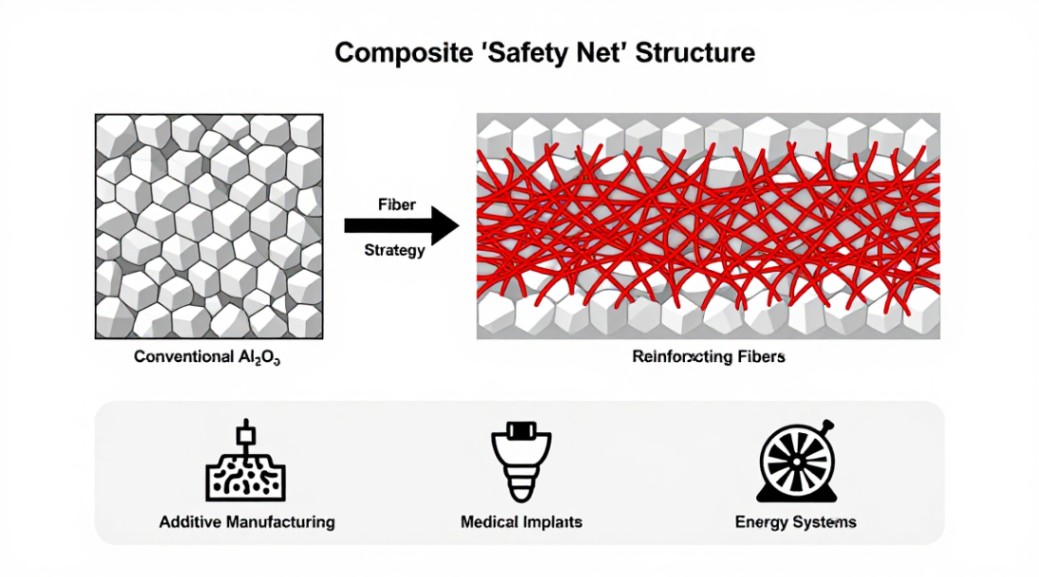
Innovation continues. Researchers are actively working to overcome alumina’s brittleness. Composite strategies, similar to the ‘double continuous structure’ used in Ultra-High Temperature Ceramic Matrix Composites (UHTCMCs), show promise. By reinforcing alumina with fibers or other phases, they aim to dramatically improve fracture toughness. Think of moving from a plain ceramic to one with a built-in microscopic ‘safety net.’ Another trend is additive manufacturing (3D printing) of alumina, which allows for complex geometries previously impossible to mold or machine. The material’s foundational role in industries from energy to medicine ensures its evolution is far from over.
To explore how aluminum oxide ceramic can solve your design challenge, start by consulting with an experienced application engineer. They can help you prototype the right grade and shape, ensuring your project leverages this material’s full potential.
Suppiler
Synthetic-chemical focus on the research and development, production and sales of ceramic products, serving the electronics, ceramics, chemical and other industries. Since its establishment in 2015, the company has been committed to providing customers with the best products and services, and has become a leader in the industry through continuous technological innovation and strict quality management.
Our products includes but not limited to Aluminum Nitride, Aluminum Oxide, Boron Carbide, Boron Nitride, Ceramic Crucible, ect. If you are interested in any type of these, please feel free to contact us.