Next-Generation Ceramics: Unlocking Superior Properties for Industry

PRODUCT PARAMETERS
Description
Overview of Al2O3 Square Alumina Ceramic Plates for Furnace Processing
Alumina Ceramic, or Aluminum Oxide (Al₂O₃), is the most widely used and versatile advanced ceramic material. Known for its excellent balance of mechanical, thermal, and electrical properties, it is a cost-effective solution for a vast array of demanding industrial applications. Alumina components are produced in purity levels ranging from 85% to 99.9%, with properties enhancing as purity increases.
Features of Al2O3 Square Alumina Ceramic Plates for Furnace Processing
- High Hardness & Wear Resistance: Offers exceptional resistance to abrasion and mechanical wear.
- Excellent Electrical Insulation: Maintains high electrical resistivity even at elevated temperatures.
- Good Thermal Conductivity: (For a ceramic) effectively dissipates heat, especially in higher purity grades.
- High Compressive Strength: Capable of withstanding significant mechanical loads.
- Chemical Inertness: Highly resistant to corrosion from acids, alkalis, and molten metals.
- Cost-Effectiveness: Provides superior performance at a lower cost compared to many other technical ceramics.
Specifications of Al2O3 Square Alumina Ceramic Plates for Furnace Processing
Al Two O ₃ Square Alumina Ceramic Plates– Item Specifications
Product Composition
These square plates are made from high-purity light weight aluminum oxide (Al two O TWO). The alumina material is generally 96% or greater. This offers the plates solid resistance to warm, wear, and chemical deterioration.
Measurements and Resistances
Criterion dimensions vary from 10 mm × 10 mm approximately 200 mm × 200 mm. Thickness choices consist of 1 mm, 2 mm, 3 mm, 5 mm, and 10 mm. All measurements follow limited manufacturing resistances: ± 0.1 mm for size and width, and ± 0.05 mm for thickness. Personalized dimensions are readily available upon demand.
Thermal Efficiency
Home plates can deal with constant use at temperatures as much as 1600 ° C(2912 ° F ). They show very low thermal growth, which helps avoid splitting during fast heating or cooling cycles. Their thermal conductivity is modest, making them ideal for secure warmth circulation in furnace atmospheres.
Mechanical Toughness
These ceramic plates have high firmness (around 15– 17 GPa on the Vickers scale) and excellent compressive toughness– commonly over 2000 MPa. They stand up to chipping and contortion under mechanical lots, also at raised temperatures.
Electrical and Chemical Residences
Alumina ceramic is an excellent electrical insulator, even at heats. It preserves dielectric stamina over 10 kV/mm. The material also withstands strike from a lot of acids, alkalis, and molten metals, making it ideal for extreme commercial settings.
Surface Finish
Both faces of the plate are ground smooth to a surface area roughness of Ra ≤ 0.8 µm. Sides are lightly chamfered to lower managing threats. A clean, white look shows regular material high quality and purity.
Applications
These plates are widely made use of as heating system racks, assistance components, insulation barriers, and substratums in high-temperature processing. Industries consist of metallurgy, electronics, glass manufacturing, and laboratory research.
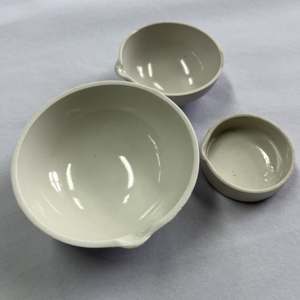
Applications of Al2O3 Square Alumina Ceramic Plates for Furnace Processing
Applications of Al ₂ O Three Square Alumina Porcelain Plates in Furnace Handling
High-Temperature Security
Al two O four square alumina ceramic plates handle extreme warmth without deforming or cracking. They stay solid also when heater temperatures get to over 1,600 ° C. This makes them ideal for lining kilns, sintering chambers, and various other high-heat zones where steel components would certainly fail.
Electrical Insulation
These plates block electrical power well. That’s why they’re used as shielding supports inside electrical heating systems. They maintain heating elements securely separated from conductive parts. Their efficiency stays stable throughout a large temperature variety.
Chemical Resistance
Alumina ceramic plates stand up to rust from acids, alkalis, and molten metals. They do not react easily with a lot of industrial chemicals. This attribute aids protect furnace interiors throughout hostile thermal procedures like steel casting or glass melting.
Put On and Abrasion Security
The surface of these plates is very difficult– 2nd just to ruby amongst usual products. They withstand constant scraping, fragment effect, and mechanical stress and anxiety. Factories utilize them as wear linings on heater floorings, shelves, and feed trays.
Accuracy and Flatness
Suppliers create square alumina plates with tight dimensional control. Their level, smooth surfaces sustain uniform warm circulation. This matters when processing sensitive materials like semiconductor wafers or sophisticated porcelains that require constant thermal exposure.
Clean and Contamination-Free
These plates release nearly no pollutants when heated up. They will not discolor or modify the make-up of nearby products. That’s crucial in markets such as aerospace, electronic devices, and medical gadget manufacturing, where pureness is non-negotiable.

Company Profile
Synthetic-chemical focus on the research and development, production and sales of ceramic products, serving the electronics, ceramics, chemical and other industries. Since its establishment in 2015, the company has been committed to providing customers with the best products and services, and has become a leader in the industry through continuous technological innovation and strict quality management.
Our products includes but not limited to Aluminum Nitride, Aluminum Oxide, Boron Carbide, Boron Nitride, Ceramic Crucible, ect. If you are interested in any type of these, please feel free to contact us.

Payment Methods
T/T, Western Union, Paypal, Credit Card etc.
Shipment Methods
By air, by sea, by express, as customers request.
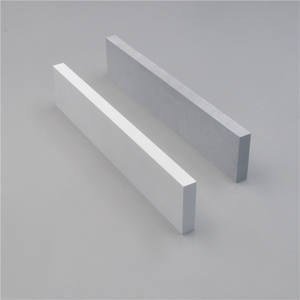
5 FAQs of Al2O3 Square Alumina Ceramic Plates for Furnace Processing
Frequently Asked Questions About Al₂O₃ Square Alumina Ceramic Plates
What are these ceramic plates made of?
These plates are made from high-purity aluminum oxide (Al₂O₃), also called alumina. The material is shaped into square plates and fired at very high temperatures. This gives the plates strong mechanical properties and excellent heat resistance.
Why use alumina plates in furnace processing?
Alumina ceramic plates handle high temperatures without warping or breaking. They resist thermal shock, meaning they won’t crack when heated or cooled quickly. Their chemical stability also keeps them safe from most corrosive atmospheres inside industrial furnaces.
What temperature range can these plates withstand?
Standard alumina plates work well up to 1600°C (2912°F). Some grades with higher purity can go even higher. Always check the exact specification for your application to avoid overheating.
Are these plates electrically insulating?
Yes. Alumina is a good electrical insulator, even at high temperatures. This makes the plates useful in applications where electrical isolation is needed inside hot zones, like in heating elements or sensor supports.
How do I choose the right thickness and size?
Pick the size based on your furnace chamber and part layout. Thicker plates offer more strength but take longer to heat up. Thin plates respond faster to temperature changes but may be less durable under heavy loads. Match the plate dimensions to your process needs and support structure.
REQUEST A QUOTE
RELATED PRODUCTS
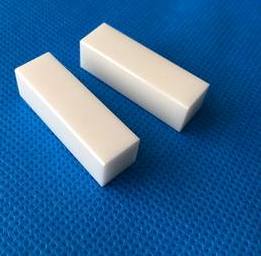
99.6% Alumina (Al2O3) Ceramic Substrate for Electronics
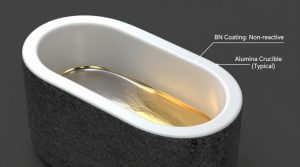
0.5mm Thick 96% Al2O3 Alumina Ceramic Substrate Plate
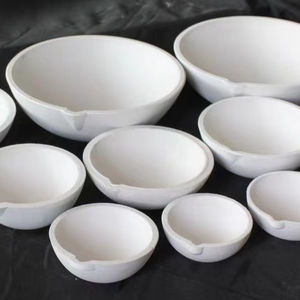
Innovative Catalyst Support: Alumina Microspheres
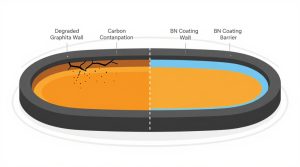
Laser Cut 96%/99.6% Alumina (Al2O3) Ceramic Substrate for Electronics
Gravel-Detailed Zirconia & Alumina Ceramic Basket Gemstone