Next-Generation Ceramics: Unlocking Superior Properties for Industry

PRODUCT PARAMETERS
Description
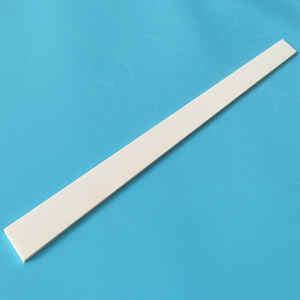
Overview of Industrial High Hardness Wear Resistant Alumina Ceramic Plate
Alumina Ceramic, or Aluminum Oxide (Al₂O₃), is the most widely used and versatile advanced ceramic material. Known for its excellent balance of mechanical, thermal, and electrical properties, it is a cost-effective solution for a vast array of demanding industrial applications. Alumina components are produced in purity levels ranging from 85% to 99.9%, with properties enhancing as purity increases.
Features of Industrial High Hardness Wear Resistant Alumina Ceramic Plate
- High Hardness & Wear Resistance: Offers exceptional resistance to abrasion and mechanical wear.
- Excellent Electrical Insulation: Maintains high electrical resistivity even at elevated temperatures.
- Good Thermal Conductivity: (For a ceramic) effectively dissipates heat, especially in higher purity grades.
- High Compressive Strength: Capable of withstanding significant mechanical loads.
- Chemical Inertness: Highly resistant to corrosion from acids, alkalis, and molten metals.
- Cost-Effectiveness: Provides superior performance at a lower cost compared to many other technical ceramics.
Specifications of Industrial High Hardness Wear Resistant Alumina Ceramic Plate
Industrial High Hardness Wear Resistant Alumina Ceramic Plate
Material & Composition
These plates are made from high-purity alumina (Al₂O₃), with a content of 92% to 99.5%. The material is formed under high pressure and sintered at very high temperatures. This gives the plate excellent density and uniform structure. No additives or fillers are used that could weaken performance.
Hardness & Wear Resistance
The surface hardness reaches 1500–1800 HV on the Vickers scale. This makes it one of the hardest industrial ceramics available. It resists abrasion far better than steel, cast iron, or even tungsten carbide in many applications. The plate maintains its shape and smoothness even after long exposure to gritty or erosive materials.
Physical Properties
Density: 3.6–3.9 g/cm³
Flexural Strength: 300–400 MPa
Compressive Strength: Over 2000 MPa
Thermal Conductivity: 20–30 W/(m·K)
Max Operating Temperature: Up to 1600°C in air
The low thermal expansion and high thermal shock resistance allow stable use in rapidly changing temperature environments.
Chemical Stability
The plate shows strong resistance to acids, alkalis, and most solvents. It does not corrode or degrade when exposed to harsh chemicals. This makes it ideal for use in chemical processing, mining, and wastewater treatment systems.
Common Applications
These ceramic plates are widely used as liners in chutes, hoppers, pipes, and cyclones. They protect equipment from wear in industries like cement, power generation, metallurgy, and bulk material handling. Their lightweight nature compared to metal alternatives also helps reduce system load and maintenance costs.
Applications of Industrial High Hardness Wear Resistant Alumina Ceramic Plate
Applications of Industrial High Hardness Wear Resistant Alumina Ceramic Plate
Where Toughness Meets Longevity
Industrial environments demand materials that can handle heavy wear without failing. High hardness wear resistant alumina ceramic plates meet this need with exceptional performance. These plates are made from dense, high-purity alumina. They offer strong resistance to abrasion, impact, and corrosion.
Mining and Mineral Processing
In mining operations, equipment faces constant contact with hard, abrasive materials like rocks and ores. Alumina ceramic plates line chutes, hoppers, and pipes to protect metal surfaces. This reduces maintenance costs and extends equipment life.
Cement and Building Materials
Cement plants use grinding mills, conveyors, and separators that suffer rapid wear. Installing alumina ceramic plates in these areas cuts downtime. The plates stay intact even under high-pressure grinding and particle flow.
Power Generation
Coal-fired power stations rely on reliable material handling systems. Fly ash and coal particles quickly erode standard steel parts. Alumina ceramic linings shield critical components like cyclones and ducts, ensuring smooth operation over long periods.
Steel and Metal Industries
Molten metal, slag, and hot debris challenge most materials. Alumina ceramics withstand extreme temperatures and chemical exposure. They are used in furnace linings, transfer troughs, and wear pads where reliability is non-negotiable.
Chemical and Petrochemical Plants
Corrosive fluids and abrasive slurries damage piping and valves. Alumina ceramic plates resist both chemical attack and mechanical wear. This makes them ideal for pumps, nozzles, and reactor internals.
These ceramic plates are not just hard—they are engineered for real-world industrial stress. Their smooth surface also helps materials flow freely, reducing blockages. Easy to install and compatible with many backing systems, they deliver consistent protection wherever harsh conditions exist.

Company Profile
Synthetic-chemical focus on the research and development, production and sales of ceramic products, serving the electronics, ceramics, chemical and other industries. Since its establishment in 2015, the company has been committed to providing customers with the best products and services, and has become a leader in the industry through continuous technological innovation and strict quality management.
Our products includes but not limited to Aluminum Nitride, Aluminum Oxide, Boron Carbide, Boron Nitride, Ceramic Crucible, ect. If you are interested in any type of these, please feel free to contact us.

Payment Methods
T/T, Western Union, Paypal, Credit Card etc.
Shipment Methods
By air, by sea, by express, as customers request.
5 FAQs of Industrial High Hardness Wear Resistant Alumina Ceramic Plate
Frequently Asked Questions About Industrial High Hardness Wear Resistant Alumina Ceramic Plates
What is this ceramic plate made of?
This plate is made from high-purity alumina (aluminum oxide). The material is pressed and fired at very high temperatures. This gives the plate strong hardness and excellent wear resistance.
Where can it be used?
You can use it in places with heavy wear and tear. Common uses include mining equipment, cement plants, power stations, and material handling systems. It works well on chutes, hoppers, pipes, and pump parts.
Why choose ceramic over metal or rubber?
Ceramic lasts much longer than metal or rubber in abrasive conditions. It does not rust. It also resists heat and chemicals better. This means less downtime and lower replacement costs over time.
How is it installed?
The plates come with pre-drilled holes or can be bonded using special adhesives. Some designs use mechanical fasteners. Installation methods depend on your equipment and operating conditions. Always follow the manufacturer’s instructions for best results.
Can it handle high temperatures?
Yes. These alumina ceramic plates work well at high temperatures. They stay stable up to 1,600°C (2,912°F) in dry environments. This makes them suitable for hot material handling and high-heat industrial processes.
REQUEST A QUOTE
RELATED PRODUCTS
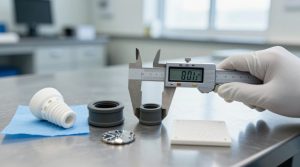
High Purity Square Alumina Ceramic Sheet for Sintering – 170x130x4.1mm
High Sensitivity Alumina Ceramic Rod / Shaft for Electroplating
Complete Range Wear-Resistant Alumina Ceramic Lined Elbows & Pipes
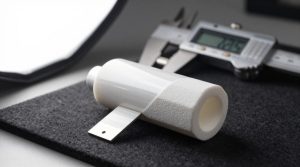
Alumina Ceramic Lining Plate for Chutes
Zirconia-Gravel Crafted Alumina Ceramic Basket Gemstone