Next-Generation Ceramics: Unlocking Superior Properties for Industry

PRODUCT PARAMETERS
Description
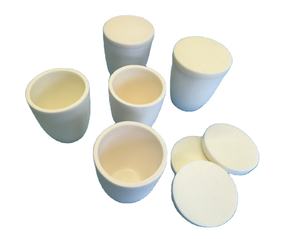
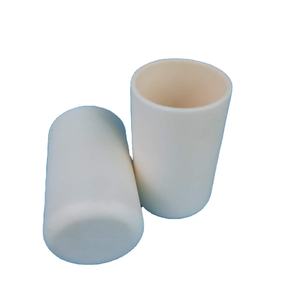
Overview of High Temperature Laboratory Alumina Ceramic Crucible for Metal Melting
A Ceramic Crucible is a vessel designed to withstand extreme temperatures for melting, calcining, or reacting chemical substances. Advanced ceramic crucibles are engineered from high-purity materials like Alumina, Zirconia, Boron Nitride, or Magnesia, chosen for their ability to contain specific molten materials without contamination or failure.
Features of High Temperature Laboratory Alumina Ceramic Crucible for Metal Melting
- Extreme Temperature Resistance: Can operate continuously from 1000°C to over 1800°C, depending on the material.
- High Purity & Chemical Inertness: Minimizes reaction with and contamination of the melt (metal, glass, salt, ash).
- Excellent Thermal Shock Resistance: (Grade-dependent) Can withstand rapid heating and cooling cycles.
- Variety of Compositions & Designs: Tailored for specific applications (e.g., BN for reactive metals, ZrO₂ for precious metals, MgO for basic slags).
- Durable & Reusable: High-quality crucibles can survive multiple cycles, providing long service life.
Specifications of High Temperature Laboratory Alumina Ceramic Crucible for Metal Melting
High-Temperature Laboratory Alumina Porcelain Crucible for Metal Melting
Product and Pureness
This crucible is made from high-purity alumina ceramic. The alumina web content is 99.5% or higher. This makes certain solid resistance to chain reactions and thermal shock. It stays secure also when subjected to aggressive liquified steels or slags.
Temperature Resistance
The crucible can deal with continuous usage at temperatures approximately 1700 ° C (3092 ° F). It maintains its shape and strength under severe warmth. This makes it perfect for thawing steels like gold, silver, copper, aluminum, and some alloys in laboratory setups.
Style and Measurements
Available in typical dimensions from 10 mL to 500 mL ability. Wall density varies from 2 mm to 5 mm, depending upon dimension. Each crucible has a smooth inner surface to decrease product sticking and make cleaning easier. The outer surface area is slightly textured for much better hold and handling.
Key Includes
Thermal security: No splitting or buckling during rapid home heating or cooling cycles.
Chemical inertness: Resists corrosion from most acids, bases, and molten salts.
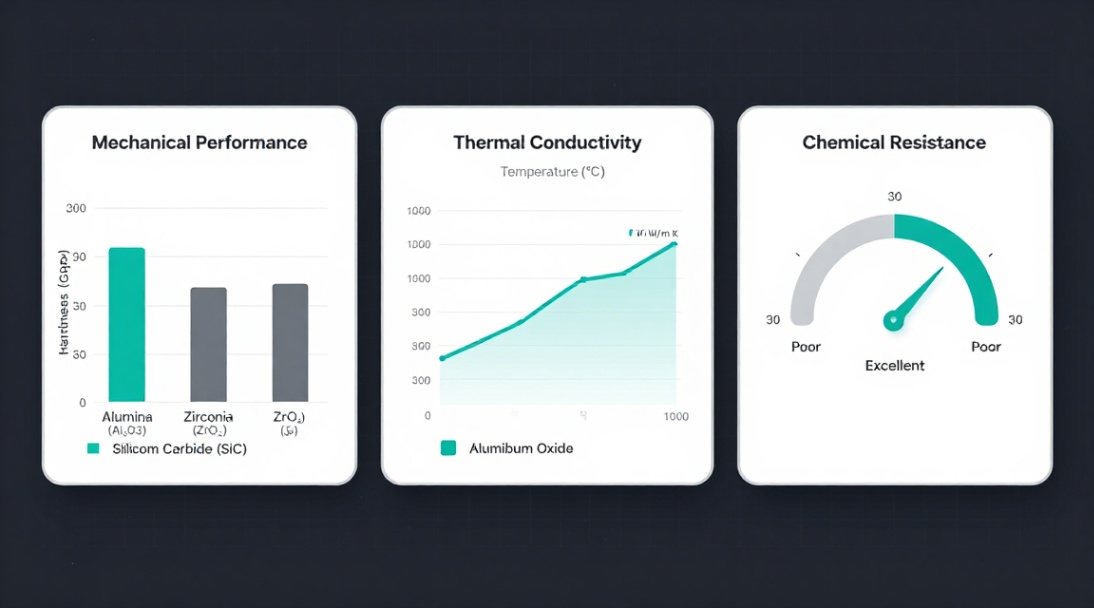
Mechanical toughness: High solidity and put on resistance extend service life.
Low contamination: Marginal seeping ensures sample pureness throughout metal melting or evaluation.
Handling Notes
Always preheat the crucible gradually before full-temperature use. Stay clear of abrupt temperature changes. Use ceramic or steel tongs for risk-free handling. Do not reveal to hydrofluoric acid or strong antacid over 800 ° C, as these might trigger damage.
This alumina crucible meets usual laboratory safety and efficiency criteria. It is widely used in metallurgy research, quality assurance laboratories, and small shop work where integrity and accuracy issue.
Applications of High Temperature Laboratory Alumina Ceramic Crucible for Metal Melting
High-Temperature Alumina Porcelain Crucibles for Steel Melting
Strong and Reputable for Demanding Jobs
These crucibles are made from high-purity alumina ceramic. They manage really heats without damaging down. That makes them optimal for melting metals like gold, silver, copper, aluminum, and even some specialized alloys. The material remains steady even when heated over 1600 ° C (2912 ° F).
Withstands Chain Reaction
Alumina ceramic does not easily react with a lot of liquified steels. It additionally resists rust from slags and changes utilized throughout melting. This maintains your metal tidy and protects against contamination. You obtain purer results every single time you melt.
Constructed to Last
The thick structure of these crucibles gives them exceptional mechanical toughness. They withstand thermal shock well, so they will not crack when heated up or cooled down rapidly. This durability means less replacements and reduced operating expense with time.
Clean and Regular Efficiency
Because the surface is smooth and non-porous, residues do not stick quickly. Cleansing after each use is easy. This additionally helps preserve consistent efficiency set after batch. There’s less threat of remaining product affecting your next melt.
Fits Requirement Tools
These crucibles are available in usual shapes and sizes. They collaborate with many induction heating systems, gas-fired melters, and electric resistance heaters. You can drop them right into your existing configuration without needing special alterations.
Whether you run a little foundry, a fashion jewelry workshop, or a research study laboratory, these alumina ceramic crucibles offer trustworthy efficiency under extreme warm. Their combination of pureness, stamina, and chemical stability makes them a wise choice for severe steel melting tasks.

Company Profile
Synthetic-chemical focus on the research and development, production and sales of ceramic products, serving the electronics, ceramics, chemical and other industries. Since its establishment in 2015, the company has been committed to providing customers with the best products and services, and has become a leader in the industry through continuous technological innovation and strict quality management.
Our products includes but not limited to Aluminum Nitride, Aluminum Oxide, Boron Carbide, Boron Nitride, Ceramic Crucible, ect. If you are interested in any type of these, please feel free to contact us.

Payment Methods
T/T, Western Union, Paypal, Credit Card etc.
Shipment Methods
By air, by sea, by express, as customers request.
5 FAQs of High Temperature Laboratory Alumina Ceramic Crucible for Metal Melting
Frequently Asked Questions About High-Temperature Alumina Ceramic Crucibles
What is this crucible made of?
This crucible is made from high-purity alumina ceramic. Alumina is a strong, heat-resistant material. It can handle very high temperatures without breaking down. That makes it ideal for melting metals in the lab.
What temperature can it withstand?
It can safely work at temperatures up to 1700°C (3092°F). This range covers most common metal melting tasks. Always check your specific metal’s melting point before use. Do not exceed the crucible’s maximum temperature rating.
Can I use it for all types of metals?
It works well with many non-ferrous metals like aluminum, copper, zinc, and gold. Avoid using it with strong alkalis or reactive metals such as titanium or zirconium. These can damage the crucible or cause unsafe reactions.
How do I handle and store it properly?
Always handle the crucible with clean, dry tongs. Never drop it or expose it to sudden temperature changes. Store it in a dry place away from moisture and dust. Let it cool slowly after use to prevent cracking.
How long will it last?
Its lifespan depends on how often you use it and how you treat it. With proper care, it can last for many melting cycles. Watch for cracks, chips, or glaze changes. Replace it if you see any damage. Using it beyond its safe condition may cause failure during operation.
REQUEST A QUOTE
RELATED PRODUCTS
High Thermal Conductivity AlN Aluminum Nitride Electrical Ceramic Crucible
High Purity Ceramic Crucible Model 528-018 for Analysis
Yttrium Oxide Yttria Ceramic Crucible for High Temperature
Boron Nitride Ceramics Crucible for Melting Glass Materials

High Temperature Ceramic Melting Crucible For Gold Silver Copper