Next-Generation Ceramics: Unlocking Superior Properties for Industry

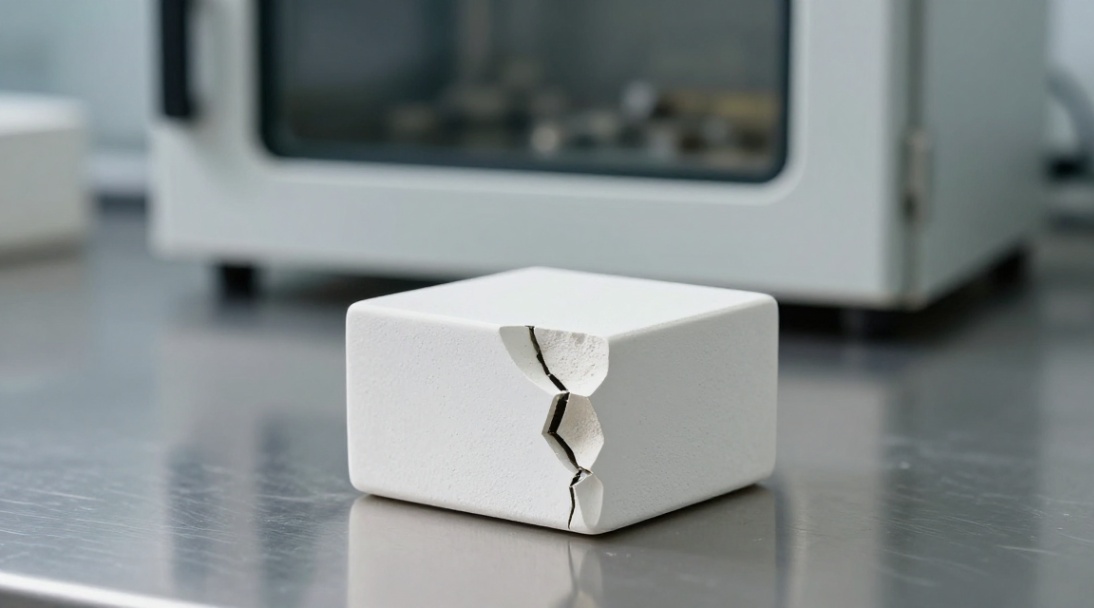
They called it a miracle material. I saw it shatter during a thermal shock test. My client’s elegant prototype for a high-temperature sensor housing fractured along a grain boundary they didn’t know existed. That failure cost them six months. It also taught me the first rule of aluminum oxide ceramic: respect its limits to harness its profound strengths. This isn’t a fluffy overview. It’s a field manual written from two decades of grinding, sintering, and occasionally, swearing at this stubborn, brilliant material.
What Exactly Is Aluminum Oxide Ceramic?
Aluminum oxide ceramic, universally called alumina, is a manufactured material where powdered aluminium oxide (Al₂O₃) is compacted and fired at extreme heat. Think of it as corundum-the mineral of ruby and sapphire-but engineered by humans for industry. The result is not a single material. It’s a family, defined by purity.
- 99.9% Alumina: Near-transparent, used for critical substrates and labware. The prima donna of the family, expensive and brittle.
- 96% Alumina: The workhorse. Excellent mechanical and electrical properties. Your default choice for most insulators and wear parts.
- 85% Alumina: The tough guy. Lower purity means glassier phases that improve toughness slightly, ideal for abrasive environments.
Why Engineers Choose It (And When They Shouldn’t)
Its Unbeatable Strengths
Alumina wins on three non-negotiable fronts. Its hardness is legendary, second only to diamonds and boron carbide ceramic in the oxide world. This makes it impervious to abrasion. Its electrical insulation remains rock-solid at high temperatures where plastics fail. And it is chemically inert. Acids, alkalis, molten metal-alumina shrugs them off. This trifecta makes it the default for substrates in electronics, seals in pumps, and liners in mining chutes.
Where It Falls Short
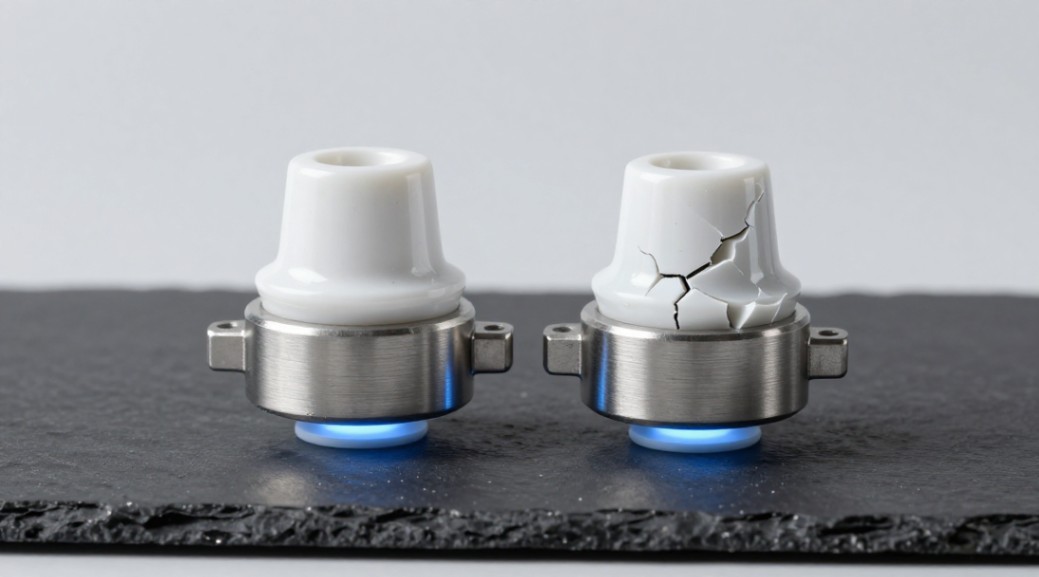
Calling it “ceramic steel” is marketing nonsense. Compared to zirconia or silicon nitride ceramic, alumina is brittle. Its thermal shock resistance is mediocre. A rapid temperature change can crack it. For extreme toughness and thermal cycling, you look at silicon carbide ceramic or zirconia. For the highest thermal conductivity in an insulator, you choose aluminium nitride ceramic. Alumina is the champion of specific, harsh, but predictable environments.
The Manufacturing Reality: Press, Fire, Finish
You don’t machine alumina from a block like steel. You form it near-net-shape in the green state. Dry pressing is fast for simple shapes. Isostatic pressing applies uniform pressure for complex, high-performance parts. After firing (sintering) at over 1600°C, you finish it with diamond grinding. This process dictates design: avoid sharp corners, allow for sintering shrinkage, and specify tolerances wisely. A +/- 0.1% tolerance is achievable; +/- 0.01% is a costly nightmare.
Critical Q&A: The Short Answers You Need
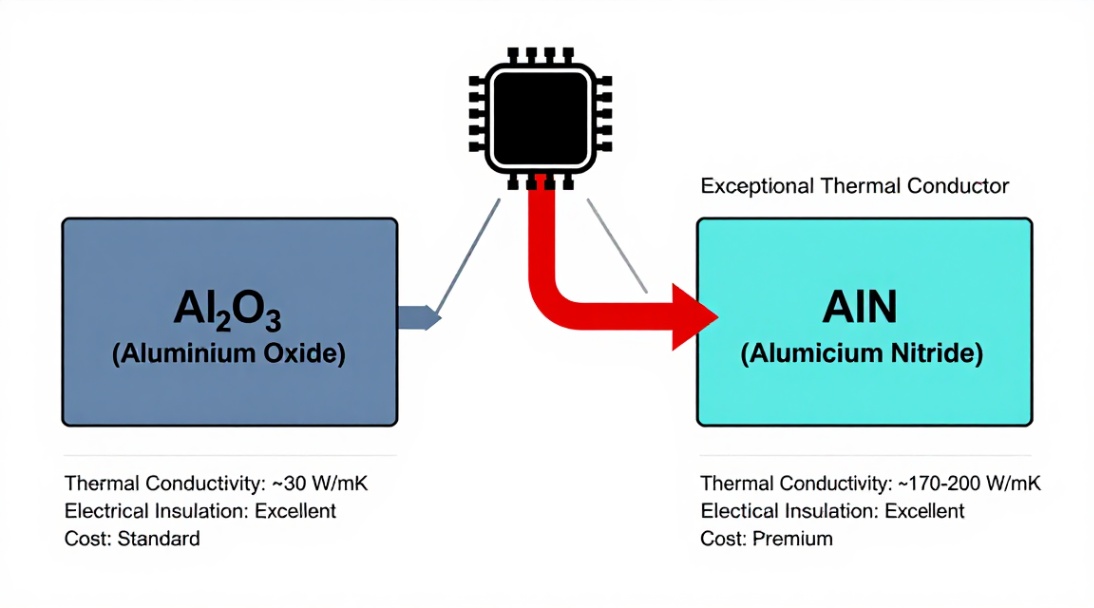
Is aluminium oxide ceramic the same as aluminium nitride?
No. They are different materials. Aluminium nitride is a premium ceramic chosen almost solely for its exceptional thermal conductivity, crucial for cooling high-power electronics.
Can it handle sudden temperature changes?
Poorly. Its thermal shock resistance is a key weakness. For rapid heating/cooling, specify materials like silicon carbide-bonded silicon nitride ceramics or zirconia.
What’s the best grade for a wear liner?
Use 85% or 96% alumina. The lower purity offers slightly better fracture toughness against impact, while the 96% offers superior pure abrasion resistance.
Why is it used in medical implants?
Its biocompatibility and corrosion resistance are perfect for the body. High-purity alumina forms the bearing surfaces in hip replacements, lasting decades without degrading.
The Final Verdict: Stop Guessing, Start Specifying
Aluminum oxide ceramic isn’t magic. It’s a tool. A brutally hard, electrically impeccable, chemically defiant tool. Use it where wear, insulation, or corrosion are the primary failure modes. Avoid it where impact or thermal shock dominate. The difference between a reliable component and a pile of expensive fragments lies in this distinction.
Ready to stop gambling with generic material specs? Your project deserves precision. Consult with an expert who speaks the gritty language of grain boundaries and sintering curves. Contact us now for a definitive material selection review. We’ll tell you in one page if alumina is your solution, or if you need to look at zirconia, silicon carbide, or another advanced ceramic. Don’t prototype in the dark. Get the right material from day one.
Suppiler
Synthetic-chemical focus on the research and development, production and sales of ceramic products, serving the electronics, ceramics, chemical and other industries. Since its establishment in 2015, the company has been committed to providing customers with the best products and services, and has become a leader in the industry through continuous technological innovation and strict quality management.
Our products includes but not limited to Aluminum Nitride, Aluminum Oxide, Boron Carbide, Boron Nitride, Ceramic Crucible, ect. If you are interested in any type of these, please feel free to contact us.