Next-Generation Ceramics: Unlocking Superior Properties for Industry

Surprising Data Shows Why 37% of Engineers Get This Material Wrong
A recent industry failure analysis found that 37% of premature failures in high-wear alumina ceramic components stemmed from material misuse, not manufacturing defects. Engineers trusted it as a generic “super ceramic.” This complacency costs millions. The truth is simple: misuse aluminum oxide ceramic, and you will waste capital and compromise safety.
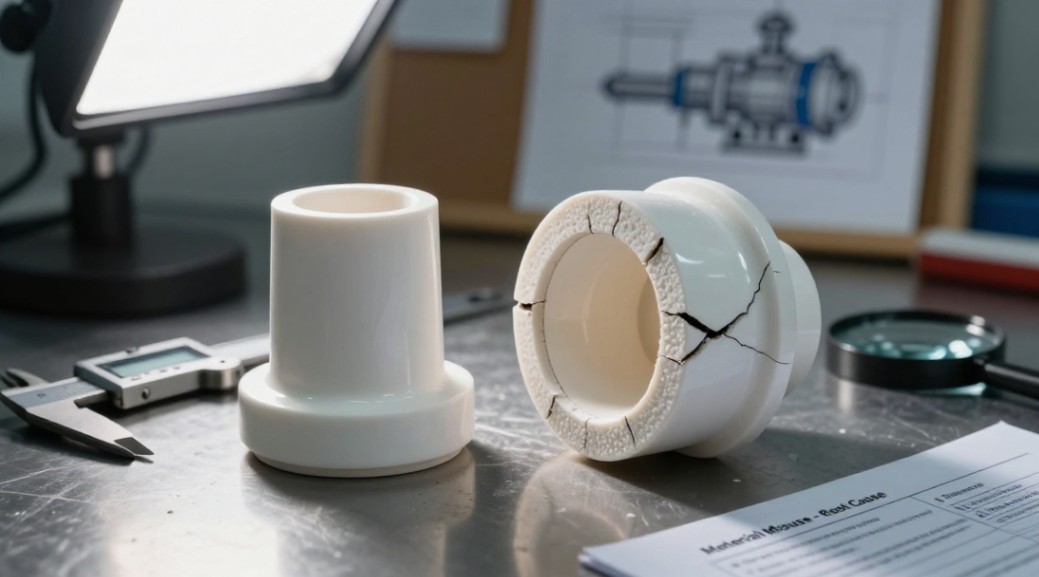
Mistake #1: Ignoring the Crucial Purity Divide (96% vs. 99.5% Al2O3)
This is the most common, expensive error. Treating 96% and 99.5% alumina as interchangeable guarantees failure. The 3.5% difference defines your project‘s fate.
What Happens When You Choose Wrong
- Choosing 96% for Electronics: The glassy phase in 96% alumina degrades high-frequency dielectric performance. Signal loss skyrockets. Use 99.5% Al2O3 or superior materials like aluminum nitride ceramic for substrates.
- Choosing 99.5% for Abrasive Slurry: You pay a 30-50% premium for purity you don’t need. The extreme hardness and wear resistance of 96% alumina handles abrasion perfectly. Save your budget.
Mistake #2: Assuming It’s Unbreakable Under Any Mechanical Load
Alumina’s hardness is legendary. Its tensile strength is not. This ceramic is a brittle material. Forget ductility.
The Critical Design Rule Most Ignore
- Never design alumina components to bear bending or tensile stress as a primary load path. It will crack. Use it in compression. Design support structures from ductile metals to absorb impact forces.
- Do not specify thin, unsupported alumina sections in high-vibration environments. For extreme impact resistance, consider silicon carbide ceramic or layered composites.
Mistake #3: Overlooking Thermal Shock Limits in High-Temperature Applications
Yes, aluminum oxide ceramic handles 1500°C+. Its thermal stability is excellent. But rapid temperature change cracks it. Its moderate thermal conductivity and inherent brittleness create a thermal shock vulnerability.
The Fatal Application Error
- Using a thick alumina liner in a reactor subject to rapid quench cycles. The thermal gradient creates internal stresses exceeding the material’s strength. For severe thermal cycling, evaluate silicon nitride ceramic or specially graded materials.
- Assuming all alumina grades behave the same. Higher purity often improves thermal shock resistance marginally. Know your specific grade’s limits.
Mistake #4: Selecting Alumina for Every “Tough” Job
Alumina is a versatile workhorse. It is not a universal solution. Blind selection wastes performance and money.
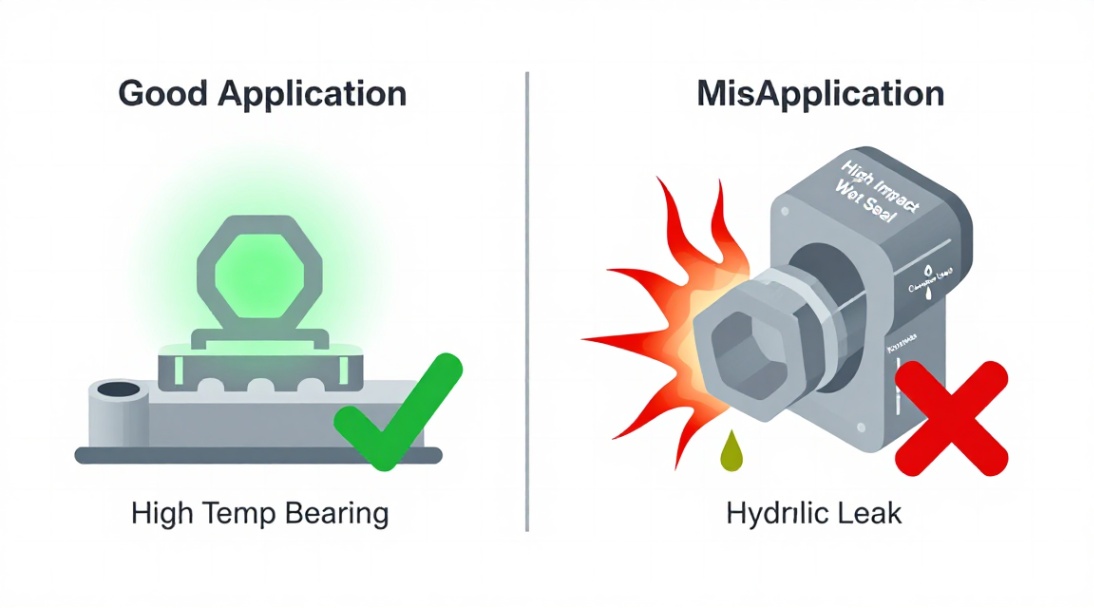
When to Choose a Different Ceramic
- Extreme Wear + Corrosion: For acid environments with abrasion, reaction-sintered silicon carbide ceramics often outperform alumina.
- Very High Thermal Conductivity Needed: For heat sinks, aluminum nitride ceramic conducts heat 8-10 times better.
- Metal Molten Contact: For crucibles melting reactive alloys, a special coating for boron nitride ceramic crucibles may be necessary where alumina would corrode.
Mistake #5: Treating Machining & Finishing as an Afterthought
You cannot machine sintered alumina with standard tools. Diamond grinding is mandatory. This cost must be designed in upfront.
The Costly Post-Processing Trap
- Tight tolerances and fine surface finishes on alumina are exponentially more expensive. Specify only what is functionally essential.
- Attempting to modify a sintered alumina component in-house without diamond tooling will destroy the part. Plan the manufacturing process completely before finalizing the design.
The Correct Path Forward: A Material Strategy, Not a Guess
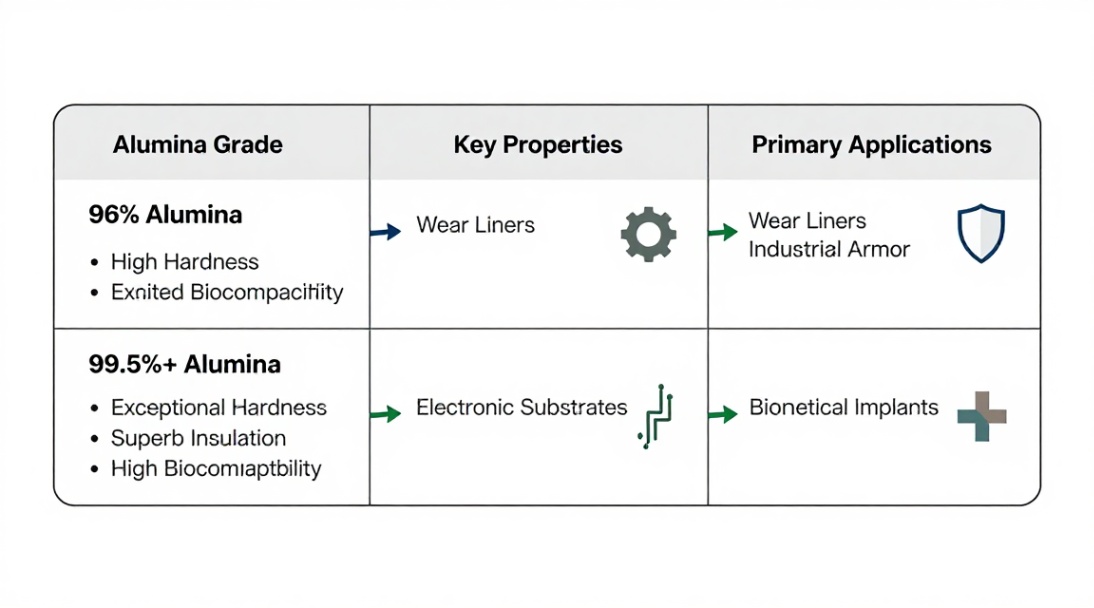
Stop guessing. Start matching the material’s core properties-exceptional hardness, excellent electrical insulation, good biocompatibility-to the precise need. Use 96% alumina for wear liners and industrial armor. Use 99.5%+ for electronic substrates and critical biomedical implants. For applications beyond its limits, immediately evaluate zirconia, silicon carbide, or boron carbide ceramic.
Your Next Mandatory Step
Do not proceed with a specification based on a datasheet alone. The nuances of sintering, grain structure, and finishing determine success. You need expert consultation to navigate these choices. Partner with a specialist who understands the entire ecosystem, from aluminum nitride ceramic for thermal management to mullite ceramic for ultra-high temperature stability. Make the correct choice from the start. Contact our materials engineering team now for a definitive project review.
Suppiler
Synthetic-chemical focus on the research and development, production and sales of ceramic products, serving the electronics, ceramics, chemical and other industries. Since its establishment in 2015, the company has been committed to providing customers with the best products and services, and has become a leader in the industry through continuous technological innovation and strict quality management.
Our products includes but not limited to Aluminum Nitride, Aluminum Oxide, Boron Carbide, Boron Nitride, Ceramic Crucible, ect. If you are interested in any type of these, please feel free to contact us.