Next-Generation Ceramics: Unlocking Superior Properties for Industry
PRODUCT PARAMETERS
Description
Overview of Ceramic Foundry Industry Silica Quartz Sand Per Ton
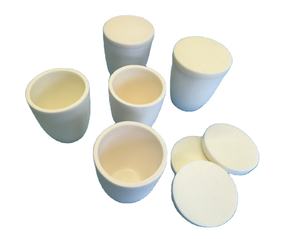
Quartz ceramics, also known as fused silica ceramics or re-bonded quartz products, are a high-performance advanced ceramic material. Unlike traditional clay-based ceramics, they are not made by sintering clay, but rather from high-purity fused silica (silicon dioxide, SiO₂) that is crushed, shaped, and then sintered at high temperatures.
Their core appeal lies in their unique combination of the excellent properties of fused silica glass (such as extremely low thermal expansion coefficient and excellent thermal shock stability) and the structural strength and versatility of ceramics (they can be made into crucibles, rollers, and irregularly shaped parts), overcoming the limitations of fused silica glass in terms of difficulty in manufacturing large sizes and complex shapes, and its high cost.
Quartz ceramics perform exceptionally well in harsh environments involving high temperatures, rapid temperature changes, and chemical corrosion, and are widely used in solar photovoltaics (crucibles for polycrystalline silicon ingot furnaces), semiconductors, aerospace, metallurgy and casting, the glass industry, and laboratories.
Main Characteristics of Ceramic Foundry Industry Silica Quartz Sand Per Ton
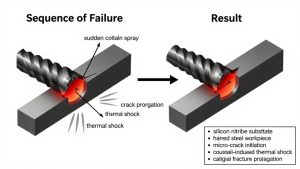
Excellent Thermal Shock Stability: They have an extremely low thermal expansion coefficient, generating almost no thermal stress during rapid temperature changes, and can withstand rapid cooling from extremely high temperatures to room temperature without cracking.
Extremely High Temperature Resistance and Thermal Stability: They can be used continuously at temperatures of 1100°C – 1350°C, and can even withstand higher temperatures for short periods. They do not soften or deform at high temperatures and maintain good dimensional stability.
Excellent Chemical Inertness and Corrosion Resistance: Except for hydrofluoric acid and hot concentrated phosphoric acid, they have strong resistance to most acids, salt solutions, and molten metals (such as aluminum, copper, gold, silver, and platinum), making them ideal melting and containment vessels.
Low Thermal Conductivity and Good Electrical Insulation: They have low thermal conductivity, making them excellent thermal insulation materials. They also maintain good electrical insulation properties at high temperatures.
High Purity and Low Contamination Risk: Made from high-purity quartz sand, they do not contaminate the high-purity molten metals or semiconductor materials they come into contact with, ensuring process cleanliness.
Moderate Mechanical Strength: Compared to most engineering ceramics, their mechanical strength at room temperature is relatively low; they are brittle materials. However, their strength is sufficient under their designed operating conditions (high-temperature insulation, thermal shock resistance). Its strength can be improved by optimizing the formula and manufacturing process.
Specifications of Ceramic Foundry Industry Silica Quartz Sand Per Ton
Specifications of Ceramic Foundry Industry Silica Quartz Sand– Per Load
Chemical Structure
Silicon Dioxide (SiO TWO): Minimum 99.0%
Iron Oxide (Fe ₂ O SIX): Optimum 0.10%
Aluminum Oxide (Al Two O ₃): Optimum 0.30%
Titanium Dioxide (TiO ₂): Optimum 0.05%
Other pollutants: Trace amounts just
Physical Properties
Grain Size Circulation: Offered in numerous mesh sizes consisting of 20/40, 30/50, 40/70, 50/100, and 70/140, tailored to particular casting requirements.
Apparent Thickness: Roughly 2.65 g/cm four Bulk Thickness: Ranges from 1.50 to 1.65 g/cm three depending upon grain dimension
Dampness Web Content: Much less than 0.2%
Ash Material: Listed below 0.1%.
Pureness and Quality Assurance
This silica quartz sand is cleaned, dried, and very carefully screened to remove dust, clay, and organic matter. Every batch undergoes strict top quality checks to ensure constant chemical and physical efficiency. The low iron web content helps avoid staining and surface area issues in ceramic mold and mildews and cores.
Packaging and Handling
The sand is crammed in moisture-resistant 1-ton jumbo bags or 25 kg multi-wall paper bags with polyethylene liners. Proper storage space in a completely dry, covered area is suggested to preserve low moisture levels and stop contamination.
Applications
This high-purity silica quartz sand is suitable for precision investment casting, ceramic covering mold and mildew making, and other shop procedures that require thermal security, great surface coating, and very little reactivity at high temperatures. Its uniform grain form and slim dimension circulation support strong mold and mildew stability and smooth metal circulation during putting.

Applications of Ceramic Foundry Industry Silica Quartz Sand Per Ton
Applications of Ceramic Factory Sector Silica Quartz Sand– Per Lot
Core Use in Metal Casting
Silica quartz sand is a key product in the ceramic factory industry. Foundries use it to make mold and mildews and cores for metal casting. The sand holds its shape well under high warmth. It likewise resists thermal shock during putting. This makes it excellent for casting iron, steel, and non-ferrous metals.
Mold And Mildew and Core Security
The sand’s high silica content provides it solid structural stability. When mixed with binders, it creates firm molds that keep their form throughout steel pouring. Its grain shapes and size assistance manage surface finish and dimensional accuracy. Foundries rely on consistent sand high quality to minimize issues like veining or infiltration.
Economical Performance
Silica quartz sand supplies reliable efficiency at an affordable per ton. It is commonly available and easy to reclaim and recycle. Lots of shops recycle made use of sand after thermal or mechanical treatment. This reduces general product expenses and sustains lasting procedures.
Compatibility with Binders
This sand functions well with common binder systems. These consist of clay, resin, and chemical binders. Each system matches different casting needs. Silica sand bonds uniformly with these products. That makes certain smooth mold and mildew preparation and fast manufacturing cycles.
Handling and Safety
Shop groups take care of silica quartz sand daily. Correct dust control and safety equipment are important as a result of crystalline silica material. Modern facilities follow strict health and wellness standards. They utilize air flow and wet techniques to limit air-borne bits. Safe handling maintains workers safeguarded while preserving efficiency.

Company Profile
Synthetic-chemical focus on the research and development, production and sales of ceramic products, serving the electronics, ceramics, chemical and other industries. Since its establishment in 2015, the company has been committed to providing customers with the best products and services, and has become a leader in the industry through continuous technological innovation and strict quality management.
Our products includes but not limited to Aluminum Nitride, Aluminum Oxide, Boron Carbide, Boron Nitride, Ceramic Crucible, ect. If you are interested in any type of these, please feel free to contact us.

Payment Methods
T/T, Western Union, Paypal, Credit Card etc.
Shipment Methods
By air, by sea, by express, as customers request.
5 FAQs of Ceramic Foundry Industry Silica Quartz Sand Per Ton
Frequently Asked Questions About Ceramic Foundry Silica Quartz Sand (Per Ton)
What is ceramic foundry silica quartz sand used for?
This sand is mainly used to make molds and cores in metal casting. It holds its shape well under high heat. Foundries rely on it because it helps produce smooth, accurate metal parts.
Why choose silica quartz sand over other sands?
Silica quartz sand has high thermal stability and good refractoriness. It resists cracking when hot metal is poured. It is also cost-effective and widely available, making it a smart choice for many foundries.
What purity level should the sand have?
For most ceramic foundry applications, the silica content should be at least 98%. Higher purity means fewer impurities, which leads to cleaner castings and fewer defects in the final product.
How is the sand priced per ton?
Price depends on grain size, purity, moisture content, and delivery location. Standard grades typically range from $XX to $XX per ton. Bulk orders often get better rates. Always ask for a current quote based on your specific needs.
How should the sand be stored?
Keep the sand dry and covered. Moisture can cause clumping and affect performance during casting. Store it on pallets off the ground in a clean, sheltered area. Proper storage ensures consistent quality and avoids waste.
REQUEST A QUOTE
RELATED PRODUCTS
Good Product Ceramic Tile Display Stand for Quartz Stone Rack

Quartz Ceramic Melting Fused Silica Crucible for Jewelry Industry
Natural Quality Artificial Granite Quartz for Ceramic Industries
Gold Melting Fused Silica Quartz Ceramic Crucible
Factory Dry Wet Ball Mill Quartz Limestone Coal Ceramic Cement