Next-Generation Ceramics: Unlocking Superior Properties for Industry

The Data Speaks: Why Your Default Ceramic Choice is Wrong
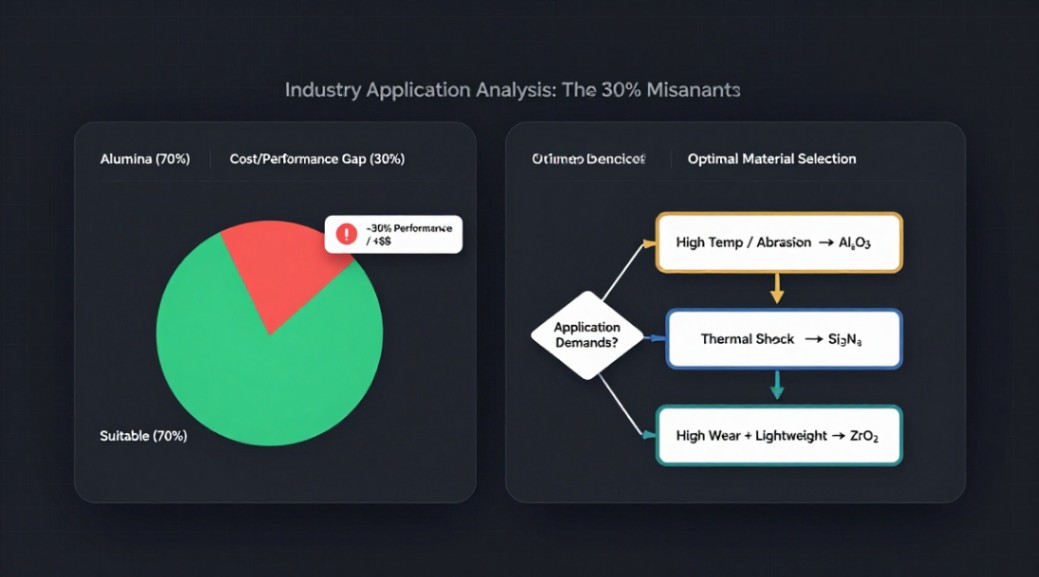
If you’re selecting aluminum oxide ceramic for every high-performance application, you’re likely over-spending or under-performing 30% of the time. This isn’t speculation. It’s a logical outcome of treating a versatile material as a universal solution. The industry’s comfort with alumina is its biggest vulnerability. Let’s dismantle the myths.
1. Never Assume All Alumina is the Same. The Purity Trap
Specifying “alumina” without a purity grade is like ordering “metal.” The result is a gamble.
- 85-90% Alumina: The workhorse. High wear resistance, decent hardness. Perfect for pump seals, wear plates, and thread guides. Never use it for a critical electrical insulator or a high-purity semiconductor component. The silicate glass phase that binds it will fail.
- 96-99% Alumina: This is your go-to for most technical applications. Excellent electrical insulation, superior mechanical strength, good corrosion resistance. Think heater tubes, laser tubes, electronic substrates.
- 99.5%+ Alumina: Ultra-high purity. Essential for sodium vapor lamp tubes, advanced biomedical implants, and precision optics. The cost is high. The machining is difficult. Using it for a simple wear liner is a waste of capital.
2. Never Ignore Thermal Shock. It’s the Silent Killer
You chose alumina for its high-temperature stability. Good. But you didn’t consider how quickly the temperature changed. Bad. Alumina’s moderate thermal conductivity and relatively high thermal expansion coefficient make it susceptible to thermal shock. A rapid temperature change creates internal stresses that brittle materials can’t absorb.
Solution: For rapid cycling, silicon nitride ceramic or a specialized mullite ceramic composite often performs better. Their superior fracture toughness handles thermal gradients alumina cannot.
3. Never Use it for Impact. It Breaks. Period.
This is the most fundamental error. Aluminum oxide ceramic is hard. It is not tough. Its typical brittleness is its Achilles’ heel. Under a sharp, concentrated impact load, it will fracture. Using a standard alumina tile for ballistic armor is a catastrophic mistake.
- For true impact resistance: You need a different material family. Boron carbide ceramic is lighter and harder for body armor. Silicon carbide ceramic offers a better balance for vehicular protection.
- For high-stress mechanical applications: Consider the exceptional toughness of zirconia or the combo of strength and thermal shock resistance in silicon nitride ceramic.
4. Never Overlook the Manufacturing Reality. Complexity Costs
Designing a complex, net-shape part in aluminium oxide ceramic and expecting it to be cheap is a fantasy. The high hardness that serves you in use fights you in manufacturing.
Sintering causes shrinkage, often unpredictable in complex geometries. Machining post-sinter requires diamond tools and is slow. Every undercut, every tight tolerance, every thin web dramatically increases cost. Pressureless sintered silicon carbide ceramics or certain reaction-sintered silicon carbide ceramics can offer more predictable sintering behavior for complex shapes. Simplify your alumina design, or prepare for a budget overrun.
5. Never Forget the Surface. The Wrong Finish Fails Fast
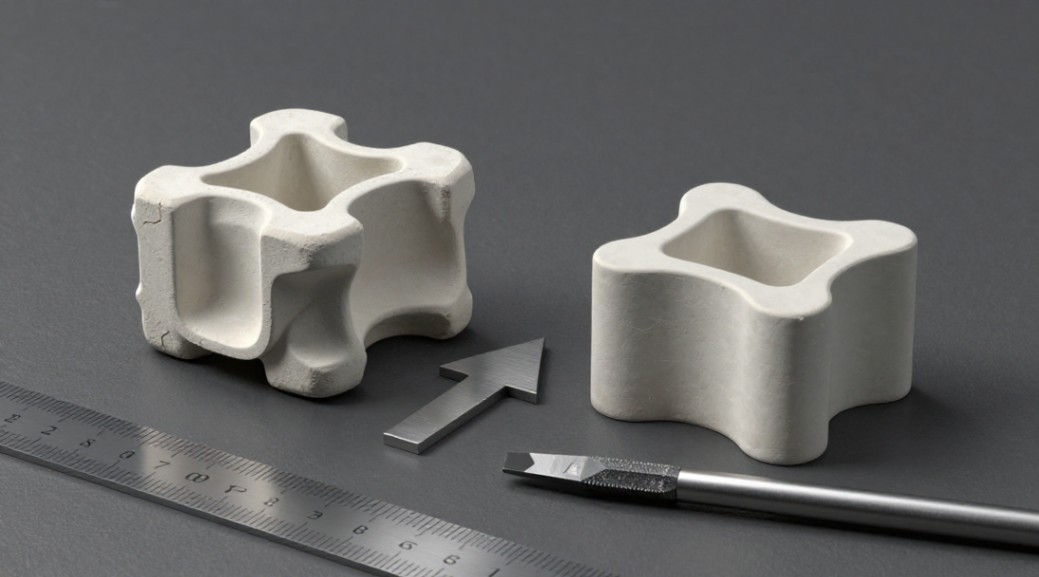
A pristine, as-fired alumina surface is often not the optimal working surface. For a wear component, a precisely ground and lapped surface reduces friction and initiates wear predictably. For a special coating for boron nitride ceramic crucibles, the surface must be prepared to specific roughness for adhesion.
The wrong finish accelerates failure. In sealing applications, improper surface finish leads to leakage. In biomedical implants like a hip joint ball, the mirror polish is non-negotiable for low friction and biocompatibility. The finishing step is not an afterthought; it is a core part of the material’s performance specification.
What You Should Do Instead: A Pragmatic Path Forward
Stop starting with a material. Start with the failure mode. What will kill the part first? Is it abrasive wear? Thermal cycling? Corrosive attack? Impact? Match the primary threat to the ceramic’s core strength.
For pure, unrelenting abrasion where impact is negligible, high-purity aluminum oxide ceramic remains king. For a thermally conductive yet insulating substrate, aluminium nitride ceramic is superior. For extreme temperature and wear in a non-oxidizing atmosphere, silicon carbide-bonded silicon nitride ceramics are in a different league.
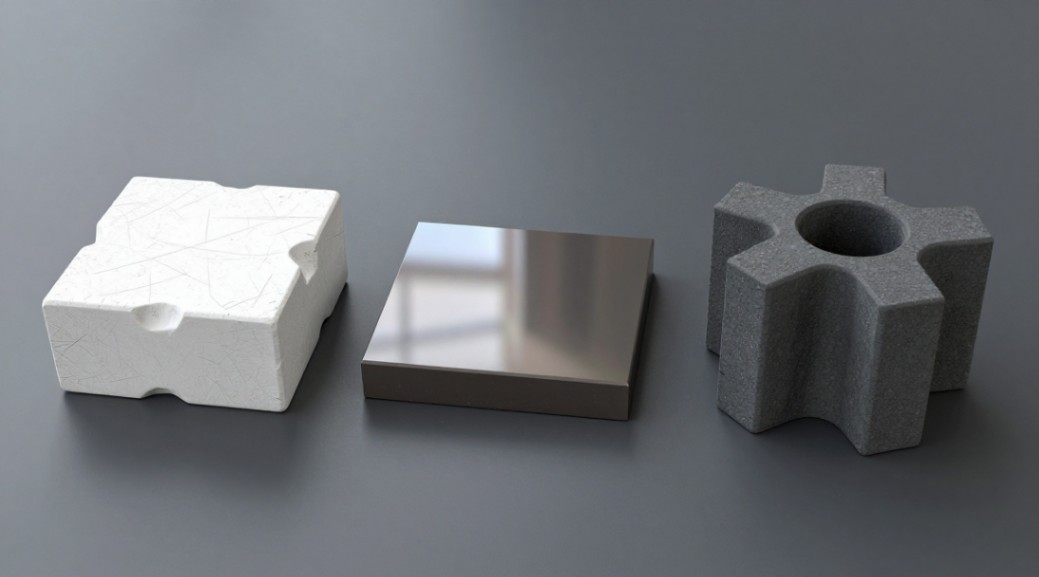
Your next step is to pressure-test your assumptions. The material selection process must be adversarial. When alumina is the tentative choice, force the question: “What property do we actually need that alumina provides, and what are we sacrificing?” This shift from default to deliberate selection is what separates a functional component from a reliable, cost-effective one. For complex scenarios, consult with a fabricator who can analyze your specific stress states and environmental conditions-sometimes the right solution is a hybrid system, not a monolithic ceramic.
Suppiler
Synthetic-chemical focus on the research and development, production and sales of ceramic products, serving the electronics, ceramics, chemical and other industries. Since its establishment in 2015, the company has been committed to providing customers with the best products and services, and has become a leader in the industry through continuous technological innovation and strict quality management.
Our products includes but not limited to Aluminum Nitride, Aluminum Oxide, Boron Carbide, Boron Nitride, Ceramic Crucible, ect. If you are interested in any type of these, please feel free to contact us.