Next-Generation Ceramics: Unlocking Superior Properties for Industry

Introduction: A Material Engineered for Extremes
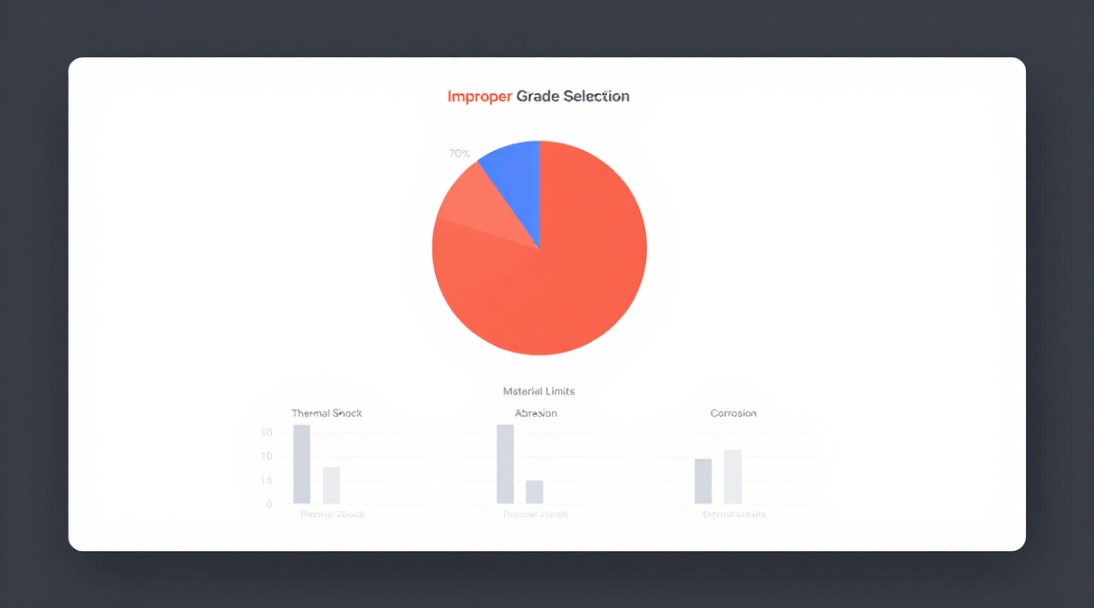
For decades, designers have prized aluminium oxide ceramic for its combination of hardness and chemical inertness. A recent industry audit revealed a surprising trend: over 70% of premature component failures linked to alumina were due not to material limits, but to improper grade selection for the operating environment. This highlights a critical knowledge gap. This guide provides a direct, practical methodology for selecting and applying aluminum oxide ceramic correctly.
What is Aluminium Oxide Ceramic (Al2O3)?
Aluminium oxide ceramic, or alumina, is a technical ceramic produced by consolidating and sintering fine aluminum oxide powder. Its structure is polycrystalline, with properties dictated by purity, grain size, and density. In its most common engineering forms, alumina delivers a powerful balance of performance and cost that materials like aluminum nitride ceramic or reaction-sintered silicon carbide ceramics cannot always match.
Core Properties and Advantages
The utility of alumina stems from a specific property profile. It offers high hardness (approximately 9 on the Mohs scale), excellent wear resistance, and outstanding thermal stability up to 1700°C. Its dielectric strength and volume resistivity make it a premier electrical insulator. Crucially, alumina demonstrates exceptional corrosion resistance against most acids, alkalis, and molten metals, except hydrofluoric acid and strong phosphoric acids.
Step-by-Step: How to Select the Right Alumina Grade
Follow this decision logic to match the material to your application. The process starts with environmental analysis, not material preference.
Step 1: Define the Primary Failure Mode
Identify the dominant stressor. Is it abrasive wear, thermal shock, chemical corrosion, or electrical breakdown? For pure abrasion, high hardness is paramount. For thermal cycling, fine grain size and high fracture toughness become critical.
Step 2: Quantify the Operating Environment
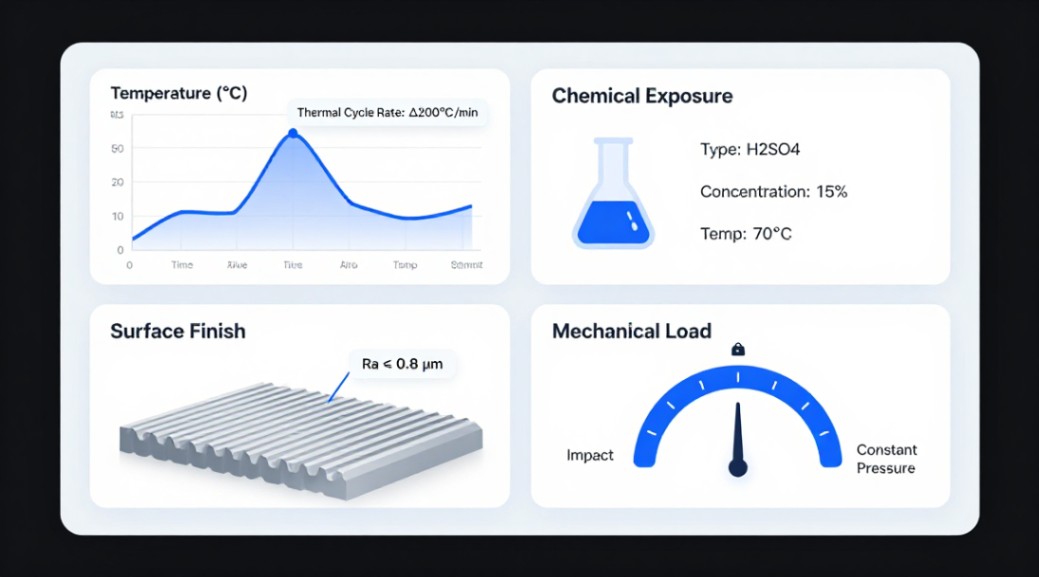
Gather specific data: maximum operating temperature, thermal cycle rate, chemical exposure (type, concentration, temperature), required surface finish (Ra), and mechanical load type (impact, constant pressure). Document these parameters.
Step 3: Choose the Purity and Grade
Alumina is not a single material. Use this table to narrow your options based on the criteria from Steps 1 and 2.
| Grade / Purity | Key Characteristics | Primary Design Driver | Typical Applications |
|---|---|---|---|
| 85% – 94% Al2O3 | Good mechanical strength, lower cost, higher glass phase content. | Cost-effective wear resistance in non-critical chemical/electrical environments. | Wear plates, spray nozzles, textile guides. |
| 96% Al2O3 | Industry workhorse. Excellent balance of strength, hardness, and cost. Good dielectric properties. | General-purpose engineering requiring reliable wear and electrical insulation. | Seal faces, pump components, cutting tool substrates, electronic substrates. |
| 99.5%+ Al2O3 | High purity, fine grain structure. Superior mechanical properties, corrosion resistance, and dielectric strength. Higher temperature capability. | Demanding chemical, high-frequency electronic, or high-temperature mechanical applications. | Advanced semiconductor components, precision labware, high-performance ball valves, biomedical implants. |
Step 4: Compare to Alternative Ceramics
When alumina reaches its limits, consider these alternatives. This comparative analysis prevents over-engineering and cost overruns.
| Ceramic Material | Advantages vs. Alumina | Disadvantages vs. Alumina | Consider When… |
|---|---|---|---|
| Zirconia (ZrO2) | Higher fracture toughness (2-3x), higher flexural strength. | Lower hardness, higher cost, potential low-temperature aging in some grades. | Impact or tensile stress is primary; thermal insulation is needed. |
| Silicon Carbide (SiC) | Superior thermal conductivity (5-10x), higher hardness, better thermal shock resistance. | More brittle, higher cost, more complex sintering (pressureless sintered silicon carbide ceramics vs. reaction-sintered). | Extreme thermal conductivity or abrasion is the absolute priority. |
| Silicon Nitride (Si3N4) | Exceptional thermal shock resistance, high strength and toughness at high temperatures. | Significantly higher cost, lower hardness than SiC. | Component undergoes severe, rapid thermal cycling. |
| Aluminium Nitride (AlN) | Excellent thermal conductivity with high electrical resistivity. | Lower mechanical strength, sensitive to moisture during processing. | The application is a high-power electronic substrate requiring heat spreading. |
Processing and Design Considerations
Success with alumina requires designing for its inherent brittleness. Avoid sharp internal corners; use generous radii. Specify compressive stresses where possible. Understand that achieving tight tolerances often requires diamond grinding as a secondary operation after sintering. For boron nitride ceramic crucibles, a special coating may be required to prevent reaction, a consideration that does not typically apply to high-purity alumina.
Future Trends in Alumina Technology
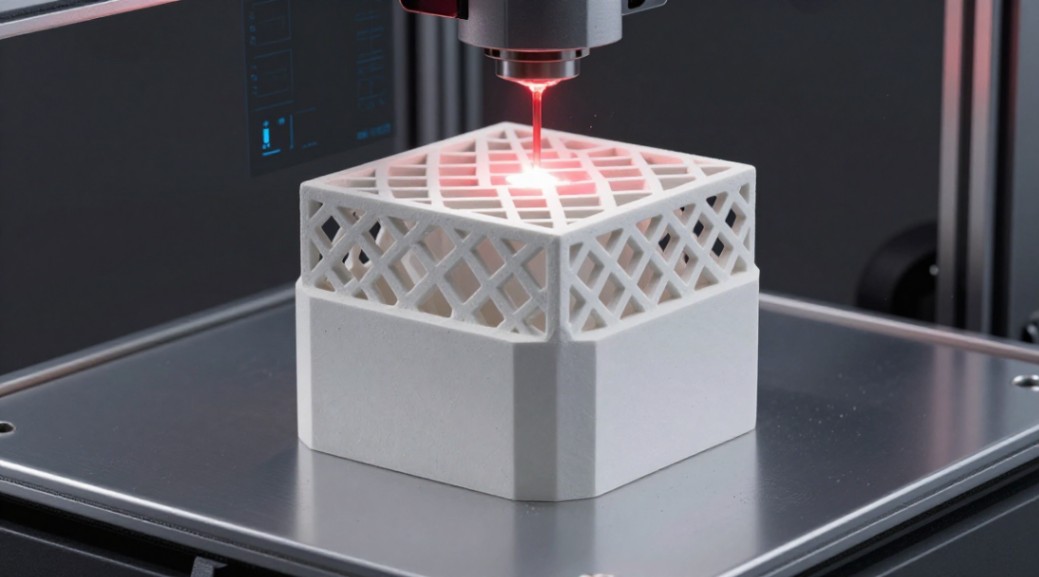
Innovation focuses on pushing property boundaries. Research targets nano-structured alumina for enhanced strength and wear. Composite formulations, such as alumina-toughened zirconia (ATZ), blend material benefits. Additive manufacturing (3D printing) of alumina is advancing, enabling geometries impossible with traditional pressing or injection molding.
Conclusion and Next Steps
Selecting aluminum oxide ceramic is a systematic engineering decision, not a guess. Start with your failure mode and environment. Use purity grades strategically. Compare honestly against materials like silicon carbide ceramic or silicon nitride ceramic. Your next action is to prototype. Engage with a qualified technical ceramic manufacturer early in your design process. Provide them with your complete environmental analysis from Step 2. They can advise on manufacturability, recommend the optimal sintering route, and produce test samples to validate performance before full-scale commitment.
Suppiler
Synthetic-chemical focus on the research and development, production and sales of ceramic products, serving the electronics, ceramics, chemical and other industries. Since its establishment in 2015, the company has been committed to providing customers with the best products and services, and has become a leader in the industry through continuous technological innovation and strict quality management.
Our products includes but not limited to Aluminum Nitride, Aluminum Oxide, Boron Carbide, Boron Nitride, Ceramic Crucible, ect. If you are interested in any type of these, please feel free to contact us.