Next-Generation Ceramics: Unlocking Superior Properties for Industry

Core Properties of Aluminium Oxide Ceramic
Aluminum oxide ceramic (Al2O3) offers a unique blend of high hardness, excellent electrical insulation, and stability in corrosive or high-temperature environments. It is a brittle material, but its compressive strength is exceptional. Engineers choose it over metals or plastics when wear, thermal, or electrical demands are severe.
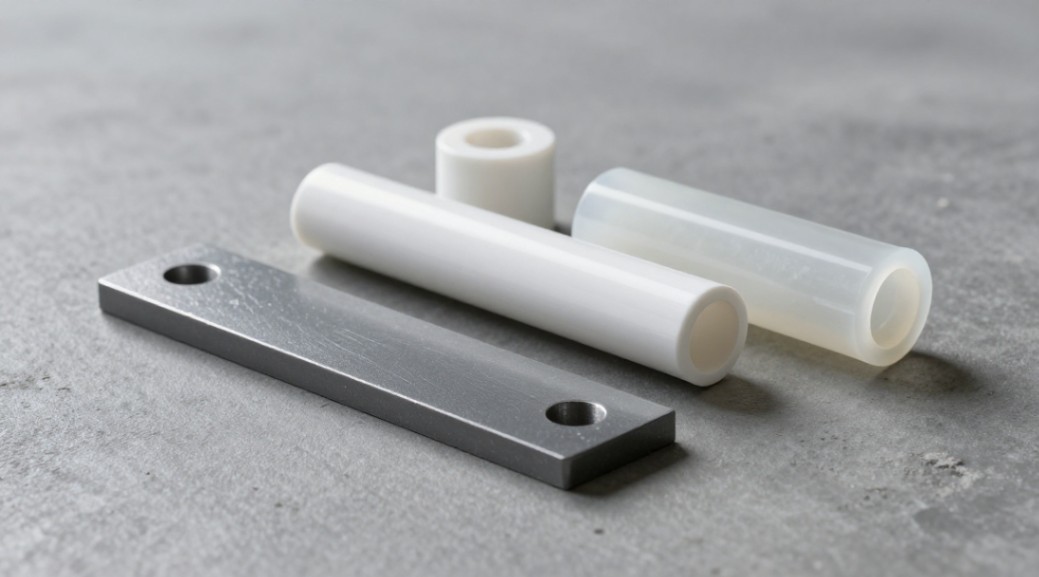
Purity Grades Define Performance
The specific application dictates the required purity. Higher purity directly enhances key properties.
- 96% Alumina: The workhorse grade. It provides an optimal balance of mechanical strength, wear resistance, and cost. This grade is standard for industrial wear plates, seal rings, and thread guides.
- 99.5% Alumina (and above): Delivers superior properties. Electrical resistivity and thermal conductivity increase. Density, hardness, and corrosion resistance improve. Use this for high-performance electrical substrates, critical semiconductor components, and advanced biomedical implants. Many users on technical forums like Reddit report that specifying 99.5% alumina for pump seals drastically extended service life in abrasive slurries.
How to Select Aluminum Oxide for Your Application
Material selection is a systematic process. Missteps are costly. Follow these steps.
Step 1: Define the Primary Failure Mode
Identify the main threat. This focus determines which material property is non-negotiable.
- Abrasive Wear: Hardness is paramount. Aluminium oxide (Mohs 9) outperforms almost all metals. Consider silicon carbide ceramic for even more extreme abrasion, though it is more expensive and difficult to machine.
- High-Temperature Exposure: Aluminium oxide retains strength up to ~1700°C. For repeated thermal cycling, materials like silicon nitride ceramic offer better thermal shock resistance.
- Electrical Insulation at Temperature: Alumina’s resistivity remains high even when hot. It is the default choice for heater tubes, spark plug insulators, and circuit substrates.
- Corrosive Chemicals: Alumina is inert to most acids and alkalis. It resists oxidation where metals fail.
Step 2: Compare to Other Advanced Ceramics
Alumina is not always the best choice. An objective comparison prevents over-engineering.
- vs. Zirconia (ZrO2): Zirconia is tougher (higher fracture toughness) and stronger in bending. Use zirconia for parts subject to high tensile stress or impact. However, zirconia is softer, less wear-resistant, and more expensive than alumina.
- vs. Silicon Nitride (Si3N4): Silicon nitride excels in thermal shock resistance and has high strength and toughness. It is the premier choice for high-speed bearing balls and cutting tools. Alumina wins on cost and electrical insulation.
- vs. Boron Carbide (B4C): Boron carbide is significantly harder, making it ideal for armor. It is also more brittle and far more costly than alumina. Use it only when extreme hardness is the sole requirement.
How to Manufacture and Machine Alumina Components
Manufacturing defines final geometry and cost. Machining is specialized.
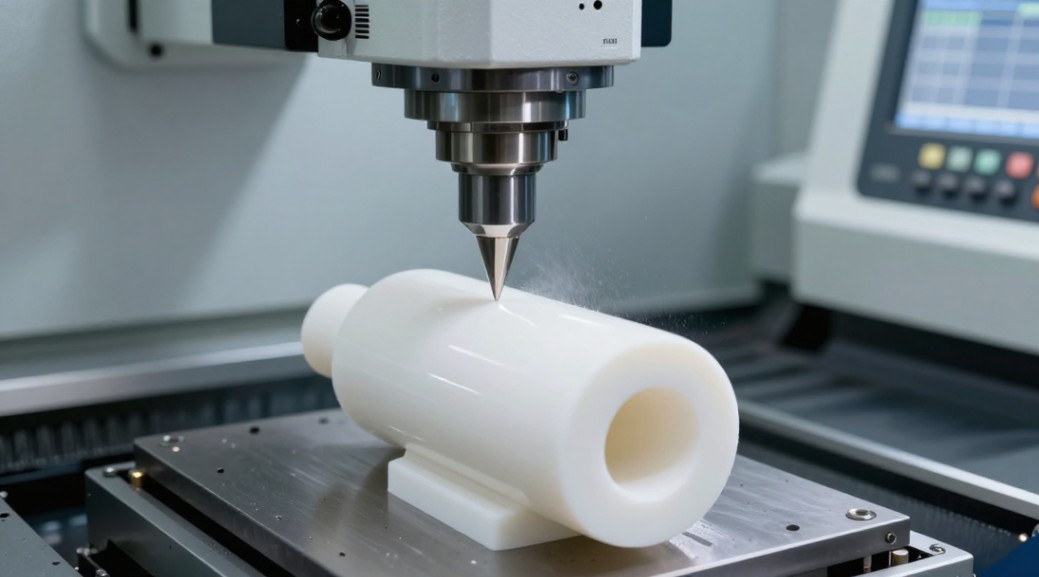
Primary Forming Processes
- Dry Pressing: Powder is compacted in a rigid die. It is fast and cost-effective for simple, high-volume shapes like tiles or simple crucibles. Dimensional tolerance is moderate.
- Isostatic Pressing: Powder is compacted under uniform hydraulic pressure in a flexible mold. This produces components with uniform density, superior mechanical properties, and more complex shapes than dry pressing. It is standard for technical ceramics.
- Injection Molding: Ceramic powder is mixed with a polymer binder and injection molded. This allows for highly complex, net-shape geometries similar to plastic parts. Essential for small, intricate components like electronic packages or biomedical parts. Requires binder removal (debinding) before sintering.
All green (unfired) parts then undergo high-temperature sintering (>1600°C) to achieve final density and strength.
Post-Sintering Machining and Finishing
Sintered alumina is extremely hard. Only diamond tools can machine it effectively.
- Grinding: Diamond grinding wheels achieve precise dimensions and tight tolerances. Surface finish quality depends on diamond grit size.
- Lapping & Polishing: For sealing surfaces or optical components, lapping with diamond abrasive produces flatness within microns. Polishing creates a mirror finish.
- Laser Machining: Used for drilling small holes or creating complex patterns where traditional machining is impractical.
- Important: Avoid sharp internal corners and minimize wall thickness variations in your design. These features create stress concentrations that can cause fracture.
Industrial Applications and Use Cases
Alumina’s reliability is proven across industries.
- Wear Components: Pump seals, valve seats, grit blasting nozzles, and textile guides. These parts outlast steel by factors of 10 to 100 in abrasive service.
- Electrical and Electronic: Substrates for thick and thin film circuits, insulating housings for high-voltage equipment, and crucibles for crystal growth. Its stability ensures consistent performance.
- Biomedical: Dental implants, bone screws, and prosthetic joint components. High-purity (99.5%+) alumina is biocompatible and corrosion-resistant in the body.
- Thermal Processing: Furnace tubes, thermocouple sheaths, and welding nozzles. Alumina protects sensitive processes from metallic contamination.
The Future of Aluminum Oxide and Oxide Ceramics
Material science does not stand still. Research focuses on overcoming traditional ceramic limitations.
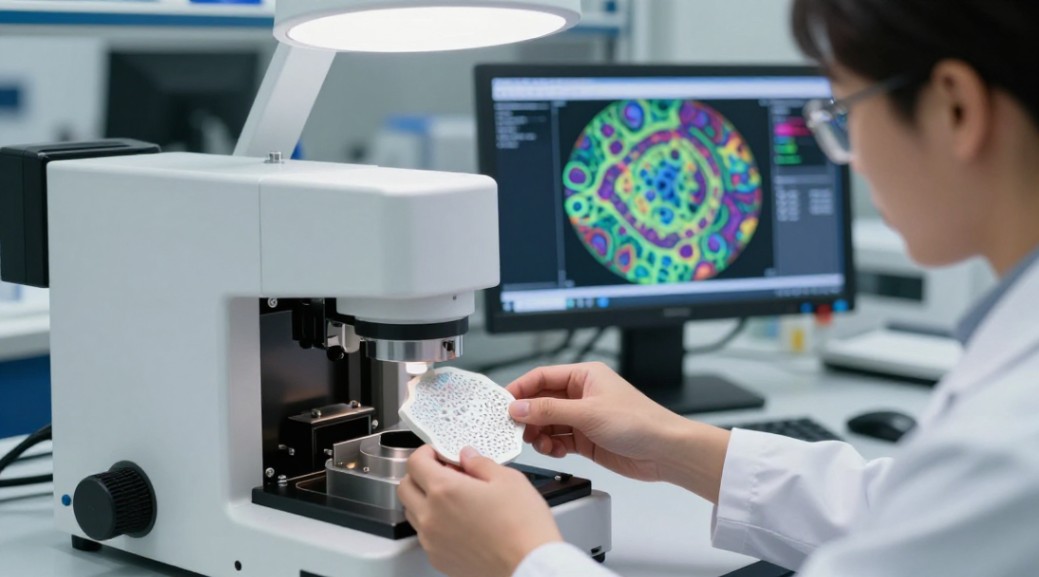
- Composite Structures: Incorporating fibers or whiskers into alumina matrices, much like the double continuous structure used in Ultra-High Temperature Composites (UHTCMCs), can drastically improve fracture toughness. This moves alumina from ~3-5 MPa·m1/2 towards 10-20 MPa·m1/2, making it viable for more structural applications.
- Higher Temperature Capability: New oxide ceramic systems with melting points exceeding 3000°C are under development. These could push the operational limits of alumina-based materials in extreme environments.
- Advanced Coatings: Specialized coatings, akin to special coatings for boron nitride ceramic crucibles, are being researched to enhance alumina’s surface properties for specific chemical or thermal duties.
Next Steps for Engineers and Designers
Successful implementation requires detailed planning. Do not rely on generic data sheets.
- Prototype with the intended manufacturing process. Material properties vary with forming method.
- Engage with your ceramic component supplier during the design phase. Their expertise on design-for-manufacturability is invaluable.
- Request material test data specific to your application’s conditions (temperature, medium, stress type). Verify the performance.
- For critical applications, consider finite element analysis (FEA) to model stress distribution in your alumina component, especially at joints or under load.
Suppiler
Synthetic-chemical focus on the research and development, production and sales of ceramic products, serving the electronics, ceramics, chemical and other industries. Since its establishment in 2015, the company has been committed to providing customers with the best products and services, and has become a leader in the industry through continuous technological innovation and strict quality management.
Our products includes but not limited to Aluminum Nitride, Aluminum Oxide, Boron Carbide, Boron Nitride, Ceramic Crucible, ect. If you are interested in any type of these, please feel free to contact us.