Next-Generation Ceramics: Unlocking Superior Properties for Industry

The Material Choice That Keeps You Up at Night
Have you ever been deep in the design phase of a high-wear component or a critical insulating part, only to hit a wall when selecting the material? You know you need a ceramic. The options seem endless: aluminum oxide ceramic, silicon carbide, zirconia. Each datasheet promises incredible properties. But which one is the right balance for your specific challenge? We’ve been there. Let’s cut through the noise and compare the industry’s most common workhorse with its peers.
What Exactly is Aluminum Oxide Ceramic?
At its core, aluminum oxide ceramic (Al2O3), or alumina, is a technical ceramic primarily produced by the sintering of high-purity alumina powders. Its defining characteristic is an excellent balance of properties at a reasonable cost. Think of it as the dependable all-rounder in a field of specialists. It delivers high hardness, excellent electrical insulation, good chemical resistance, and can operate at temperatures up to 1700°C. Purity levels range from around 90% for cost-effective wear parts to over 99.99% for demanding applications in electronics and medical implants.
Where Aluminium Oxide Ceramic Excels
Alumina isn’t a niche player. Its strength is versatility. You’ll find it in the linings of pumps handling abrasive slurries, as the substrate for your car’s spark plug, and insulating critical pathways in circuit boards. In medical technology, its biocompatibility makes it a trusted choice for dental implants and joint prostheses. For thermal management, its insulating nature is key, though we must consider alternatives when heat *removal* is the goal.
The Critical Comparison: Alumina vs. The Competition
This is where the decision is made. Let’s put alumina on a bench with its most common rivals.
Alumina vs. Silicon Carbide & Silicon Nitride Ceramics
When wear and thermal conductivity are top priorities, silicon carbide ceramic enters the conversation. Both pressureless sintered silicon carbide ceramics and reaction-sintered silicon carbide ceramics offer superior thermal conductivity and wear resistance compared to alumina. The trade-off? Cost and fracture toughness. Silicon carbide is generally more expensive and can be more brittle. Silicon nitride ceramic boasts even higher fracture toughness and thermal shock resistance, ideal for extreme, cyclical temperature changes.
- Alumina Pro: Lower cost, excellent electrical insulator, widely available, easier to machine post-sinter.
- Alumina Con: Lower thermal conductivity, lower fracture toughness than silicon nitride.
- Choose Silicon Carbide when: You need to move heat away from a component or face extreme abrasive wear.
- Choose Silicon Nitride when: Your part faces severe thermal cycling or impact stress.
Alumina vs. Zirconia (ZrO2)
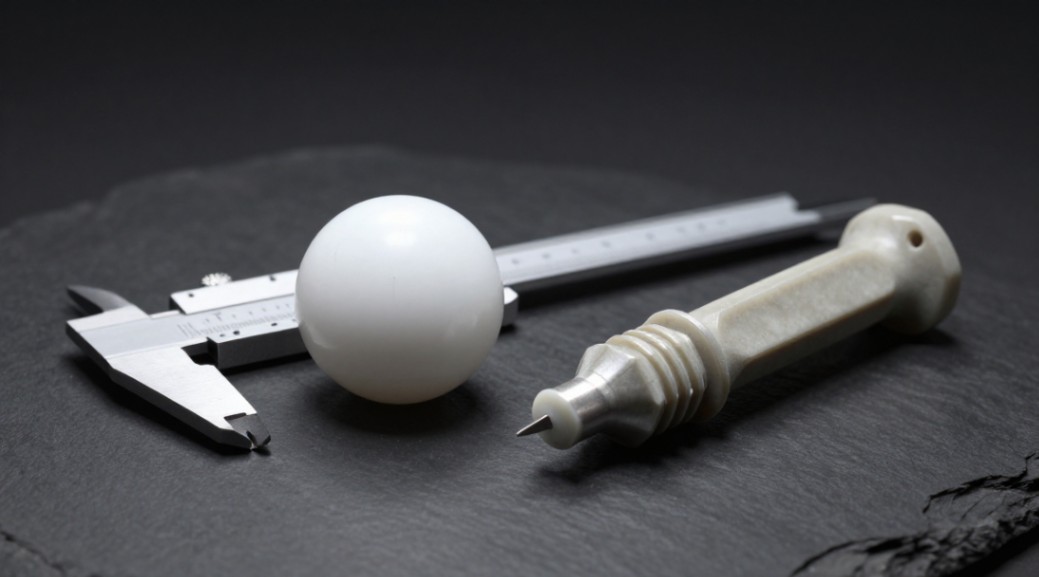
Zirconia is alumina’s main rival in applications demanding high strength and toughness. Its fracture toughness can be several times higher than alumina’s. This makes it fantastic for items like knife blades, scissors, and certain biomedical implants. However, zirconia’s long-term stability at high temperatures can be a concern, and it is typically more expensive.
- Alumina Pro: More stable at high temperatures, better wear resistance in many cases, more chemically inert, lower cost.
- Alumina Con: Lower mechanical strength and fracture toughness.
- Choose Zirconia when: Mechanical strength and resistance to cracking are the absolute top priorities, and operating temperature is modest.
Alumina vs. Boron Nitride & Other Specialties
For non-oxide ceramics, the gap widens. Boron nitride ceramic, especially with a special coating for boron nitride ceramic crucibles, is the go-to for extreme chemical inertness and non-wetting properties with molten metals. Aluminium nitride ceramic is a superstar electrical insulator with thermal conductivity rivaling metals, perfect for high-power electronics. Mullite and quartz ceramic offer excellent thermal shock resistance for specific furnace applications.
Alumina doesn’t win in these hyper-specialized areas. It wins by covering 80% of industrial ceramic needs well enough at the best price.
Manufacturing and Finishing Alumina Parts
One of alumina’s underrated advantages is its manufacturability. The powder processing and sintering routes are mature and scalable. Post-sintering, alumina components can be precision ground, lapped, and polished to achieve tight tolerances and excellent surface finishes. While it’s a hard material, its machining and finishing techniques are well-understood by any competent ceramic machine shop, which keeps secondary processing costs predictable.
The Future and Your Next Step
Innovation in aluminum oxide ceramic technology continues. Research focuses on nanoscale engineering to improve toughness and developing composite systems. The quest for materials exceeding 3000°C pushes beyond traditional oxides, but for the vast majority of demanding, cost-sensitive environments, alumina remains the first choice we evaluate.
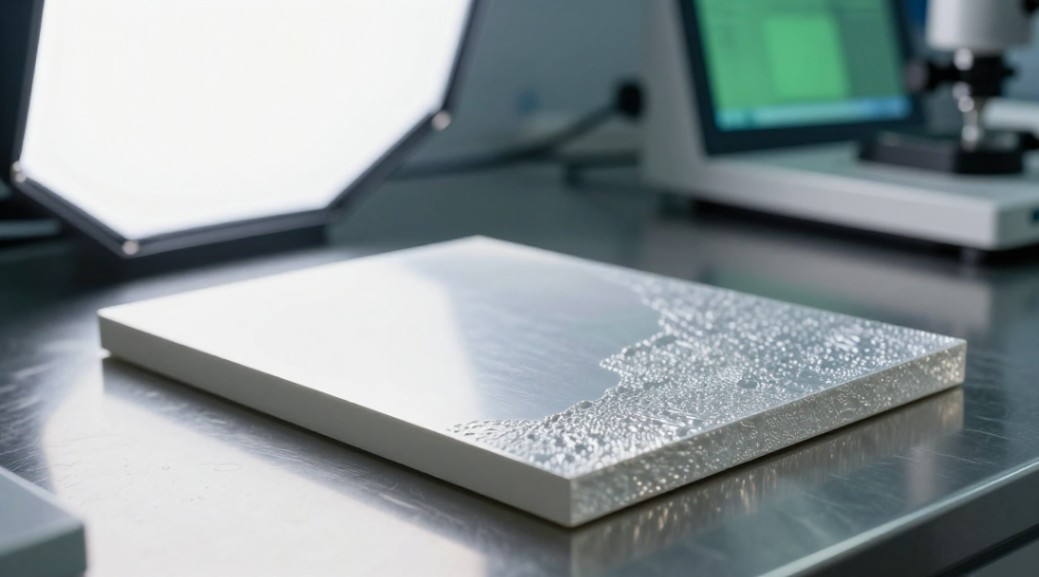
So, how do you decide? Start with alumina as your baseline. If your primary drivers are electrical insulation, chemical resistance, high-temperature stability, and cost-effectiveness for wear parts or substrates, you’ve likely found your answer. Only move to a more specialized-and often more expensive-ceramic like silicon carbide ceramic or zirconia when alumina demonstrably falls short on a critical property like thermal conductivity or fracture toughness. A deep understanding of these trade-offs is the key to a successful, reliable design. If you’re weighing options for a specific component, talking through these exact comparisons with your ceramic parts supplier is the logical next step.
Suppiler
Synthetic-chemical focus on the research and development, production and sales of ceramic products, serving the electronics, ceramics, chemical and other industries. Since its establishment in 2015, the company has been committed to providing customers with the best products and services, and has become a leader in the industry through continuous technological innovation and strict quality management.
Our products includes but not limited to Aluminum Nitride, Aluminum Oxide, Boron Carbide, Boron Nitride, Ceramic Crucible, ect. If you are interested in any type of these, please feel free to contact us.