Next-Generation Ceramics: Unlocking Superior Properties for Industry

Introduction: You’re Not Just Picking a Material, You’re Solving a Problem
You need a component that won’t wear out, must withstand 1500°C, and provide perfect electrical insulation. Standard metals fail. Polymers melt. You face downtime, cost overruns, and component failure. This scenario is common for engineers tackling extreme conditions. The solution often lies in a material frequently misunderstood: aluminum oxide ceramic.
What Exactly is Aluminum Oxide Ceramic?
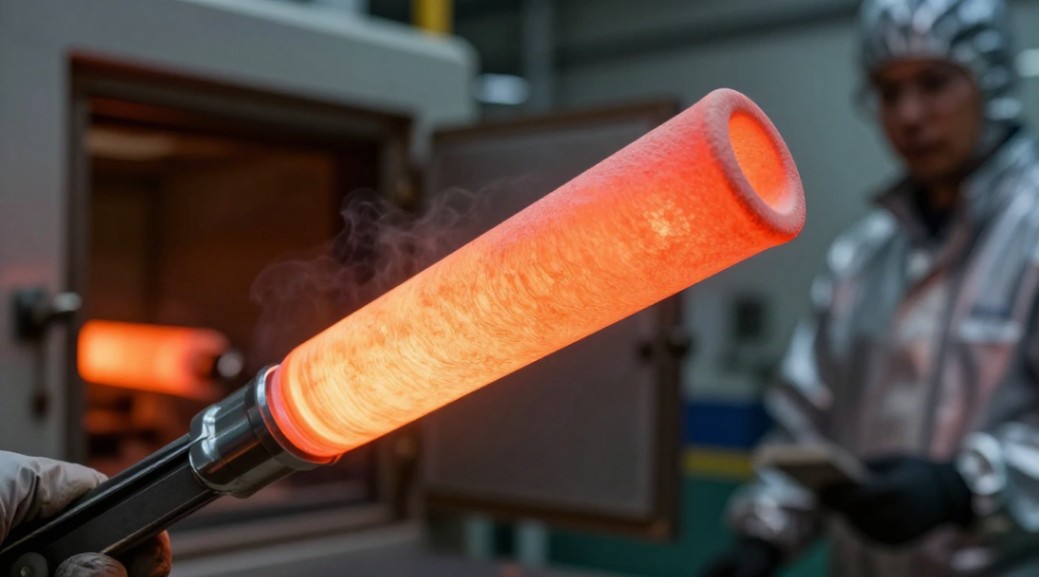
Aluminum oxide ceramic, commonly called alumina, is a technical ceramic primarily composed of aluminium and oxygen (Al2O3). Manufacturers produce it by sintering finely milled alumina powder into a dense, polycrystalline structure. Its performance is not a single value but a suite of properties defined by its purity and microstructure.
Users on engineering forums like Reddit often ask, "Is all alumina the same?" The answer is a definitive no. A 96% alumina grade differs fundamentally from a 99.5% or 99.8% grade in cost, thermal conductivity, and dielectric strength. Selecting the wrong one guarantees subpar performance.
The Definitive Properties of Aluminum Oxide Ceramic
Why do design engineers specify alumina? The data drives the decision.
Mechanical and Wear Performance
Alumina provides exceptional hardness, typically between 15-20 GPa on the Vickers scale. This translates directly into superior wear resistance. In applications like pump seals or cutting tool inserts, alumina components outlast tool steel by orders of magnitude. Its compressive strength exceeds 2000 MPa, but designers must note its lower tensile strength and inherent brittleness. Unlike silicon carbide ceramic or boron carbide ceramic, alumina offers a more favorable balance of hardness and cost for many abrasive duties.
Electrical and Thermal Characteristics
This is where alumina shines as a workhorse. Its volume resistivity exceeds 1014 Ω·cm, even at elevated temperatures. This makes it the default choice for insulating substrates, spark plug bodies, and high-voltage bushings. Thermally, alumina maintains strength up to 1600°C. Its thermal conductivity (around 30 W/m·K for 96% grades) is high for an oxide ceramic, aiding heat dissipation in electronic substrates. For comparison, aluminum nitride ceramic offers far higher thermal conductivity but at a significantly higher cost and with different mechanical properties.
Alumina vs. Other Technical Ceramics: A Clear Comparison
Material selection is about trade-offs. Here is the objective breakdown.
- Alumina vs. Zirconia: Zirconia (ZrO2) offers much higher fracture toughness, making it better for impact situations. However, alumina wins on hardness, wear resistance, and cost per part for pure abrasion.
- Alumina vs. Silicon Nitride: Silicon nitride ceramic provides superior thermal shock resistance and fracture toughness. It is the choice for high-stress structural parts like bearings. Alumina remains superior in electrical insulation and chemical resistance.
- Alumina vs. Boron Nitride: Boron nitride ceramic is a softer, machinable ceramic with excellent thermal conductivity and lubricity. It serves different niches, like release surfaces or thermal management pads, where alumina’s hardness would be a detriment.
How to Select and Specify Aluminum Oxide Ceramic: A Step-by-Step Guide
Follow this process to avoid costly specification errors.
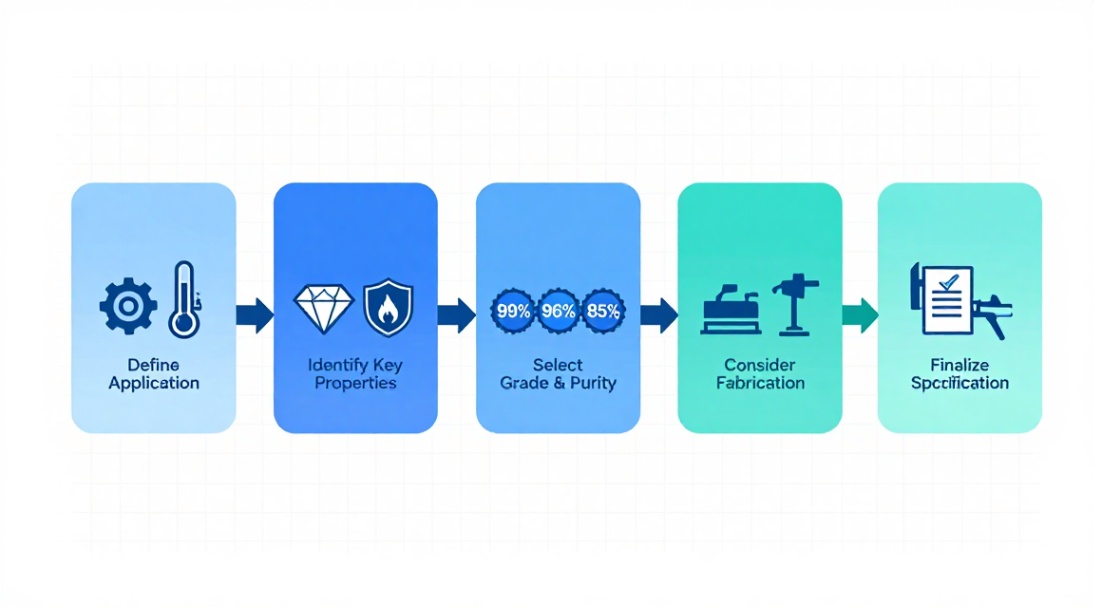
Step 1: Define the Primary Failure Mode
Is the part failing from abrasion, thermal fracture, electrical breakdown, or chemical attack? If wear is the issue, prioritize hardness and density. For thermal cycling, consider the coefficient of thermal expansion and perhaps a composite approach.
Step 2: Choose the Purity Grade
This choice dictates performance and budget. 96% alumina is the industrial standard, offering excellent mechanical properties and good thermal conductivity. Move to 99.5% or higher purity for superior dielectric strength, higher temperature capability, and enhanced corrosion resistance. The trade-off is increased cost and slightly reduced mechanical strength.
Step 3: Understand Manufacturing and Machining Limits
Alumina components are typically formed by dry pressing, isostatic pressing, or injection molding, then sintered. Near-net-shape forming minimizes the need for costly diamond grinding. Communicate clearly with your ceramic supplier about tolerances and surface finish requirements. Remember, achieving a surface roughness (Ra) below 0.4 micrometers often requires specialized grinding.
Practical Applications and Emerging Uses
Alumina’s reliability makes it ubiquitous. You find it in substrate for circuit boards, liners for wear-prone pipes, medical implant components, and armor systems. In emerging fields, high-purity alumina is critical for semiconductor processing equipment and laser tubes. Its role is expanding as engineers leverage its stability in new, demanding environments.
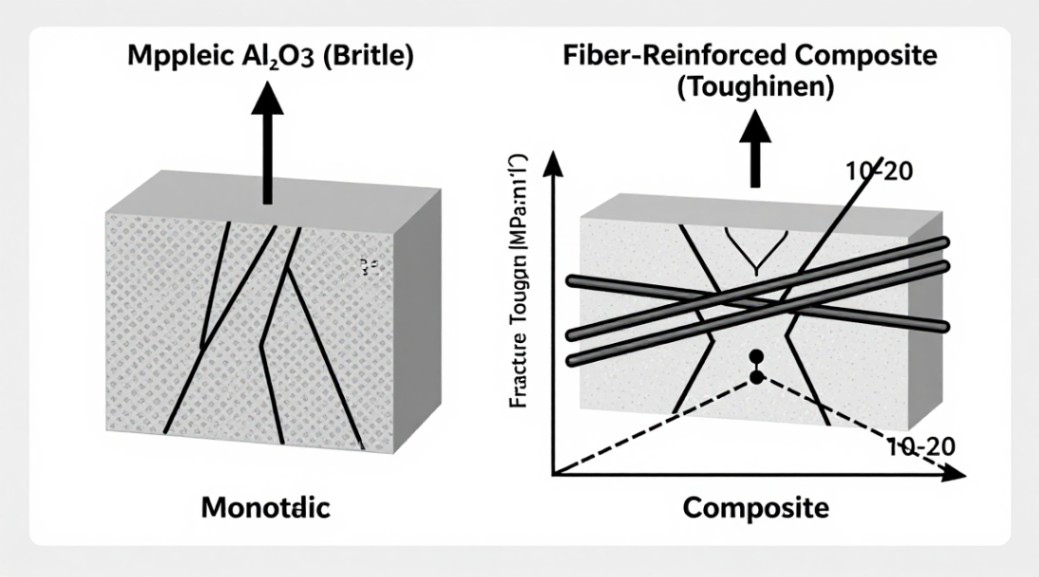
Looking ahead, research focuses on improving its main weakness: brittleness. Techniques like incorporating tailored microstructures or using continuous fiber reinforcement, as seen in advanced silicon carbide-bonded silicon nitride ceramics, are pathways to enhancing fracture toughness. The goal is to move from the 3-5 MPa·m¹/² range of monolithic ceramics toward the 10-20 MPa·m¹/² seen in advanced composites.
Final Recommendations for Engineers
Aluminum oxide ceramic is not a universal solution. It is a specialized tool for specific problems. For high-wear, high-temperature, electrically insulating applications, it is often the most cost-effective and reliable choice. Start your design process with the failure mode. Select the grade based on the required electrical or thermal performance. Finally, partner early with a reputable ceramic manufacturer who can guide you on manufacturability. The right specification eliminates downtime and delivers performance that other materials cannot match.
Suppiler
Synthetic-chemical focus on the research and development, production and sales of ceramic products, serving the electronics, ceramics, chemical and other industries. Since its establishment in 2015, the company has been committed to providing customers with the best products and services, and has become a leader in the industry through continuous technological innovation and strict quality management.
Our products includes but not limited to Aluminum Nitride, Aluminum Oxide, Boron Carbide, Boron Nitride, Ceramic Crucible, ect. If you are interested in any type of these, please feel free to contact us.