Next-Generation Ceramics: Unlocking Superior Properties for Industry

Is Your Component Failing? The Problem Might Be Your Material
Ever had a seal wear out prematurely, leaving you with costly downtime? Has an electrical insulator failed unexpectedly in a harsh environment? We’ve been there. The root cause often isn’t the design, but the material’s inability to withstand the real-world punishment of heat, abrasion, and corrosion. That’s where aluminum oxide ceramic steps in. Let’s cut through the confusion and talk about when to use it, how to work with it, and why it’s often the unsung hero in demanding applications.
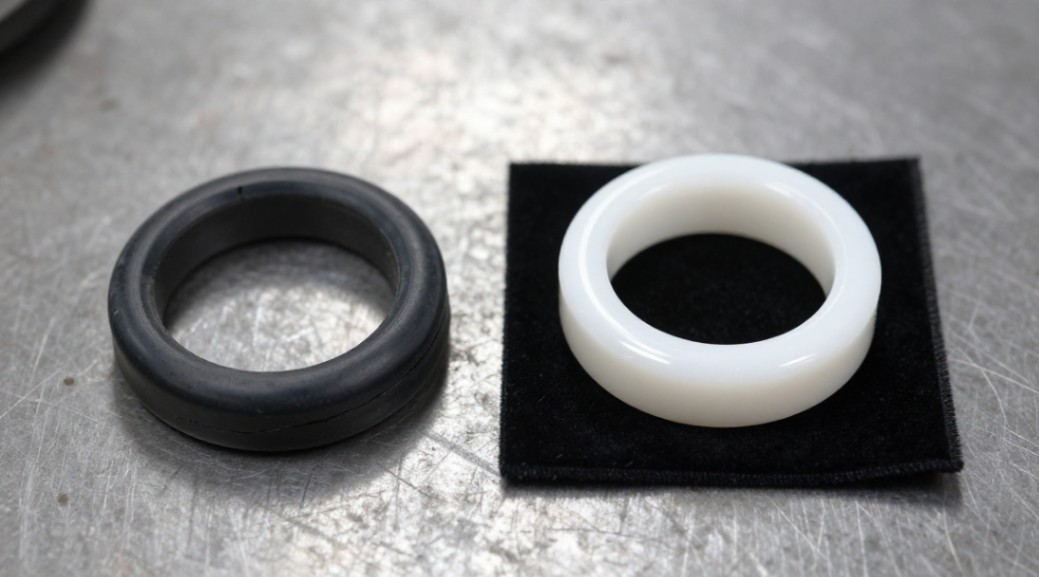
Aluminium Oxide Ceramic Q&A: Your Top Questions, Answered
What exactly is aluminium oxide ceramic, and what makes it special?
Think of it as engineered sapphire. At its core, it’s a technical ceramic made primarily from alumina (Al2O3). We prize it for a powerhouse combination of properties: exceptional hardness (second only to diamonds and a few carbides), excellent electrical insulation, and superb resistance to wear and corrosion. It doesn’t melt until over 2000°C. This unique mix solves problems that metals and plastics simply can’t handle.
How does it compare to other advanced ceramics like silicon nitride or boron carbide?
Great question. Picking the right ceramic is critical. Here’s a quick breakdown:
- Aluminum Oxide Ceramic: Your all-rounder. Best balance of mechanical strength, hardness, insulation, and cost. Perfect for wear plates, electrical insulators, and lab equipment.
- Silicon Nitride Ceramic: The tough guy. Offers higher fracture toughness and thermal shock resistance. Ideal for bearings and high-stress engine components.
- Silicon Carbide Ceramic: The heat conductor. Excels in thermal conductivity and extreme temperature strength. Used in kiln furniture and heat exchangers.
- Boron Carbide Ceramic: The lightweight armor. One of the hardest materials known, but more brittle and expensive. Used for ballistic plates.
- Aluminum Nitride Ceramic: The electronics specialist. Similar to alumina but with much higher thermal conductivity for insulating heat sinks.
Choose alumina when you need a reliable, cost-effective workhorse for wear, insulation, or chemical resistance.
I need to machine a part. How do I work with this hard material?
Machining aluminium oxide ceramic requires a different mindset than metal. You’re grinding, not cutting. Here is your step-by-step guide:
Step 1: Design for Manufacturability. Minimize complex shapes. Use generous radii. Tolerances should be “as-fired” where possible to avoid costly grinding.
Step 2: Choose the Right Form. It comes in plates, rods, tubes, and custom substrates. For prototypes, start with a pre-sintered (“green”) state if you have complex machining needs, then fire it. For simple shapes, use fully sintered blanks.
Step 3: Select Your Machining Method. Diamond tooling is non-negotiable. Use diamond-grit grinding wheels, diamond-coated core drills, and diamond-plated dicing blades. Use constant, copious coolant to prevent thermal cracking.
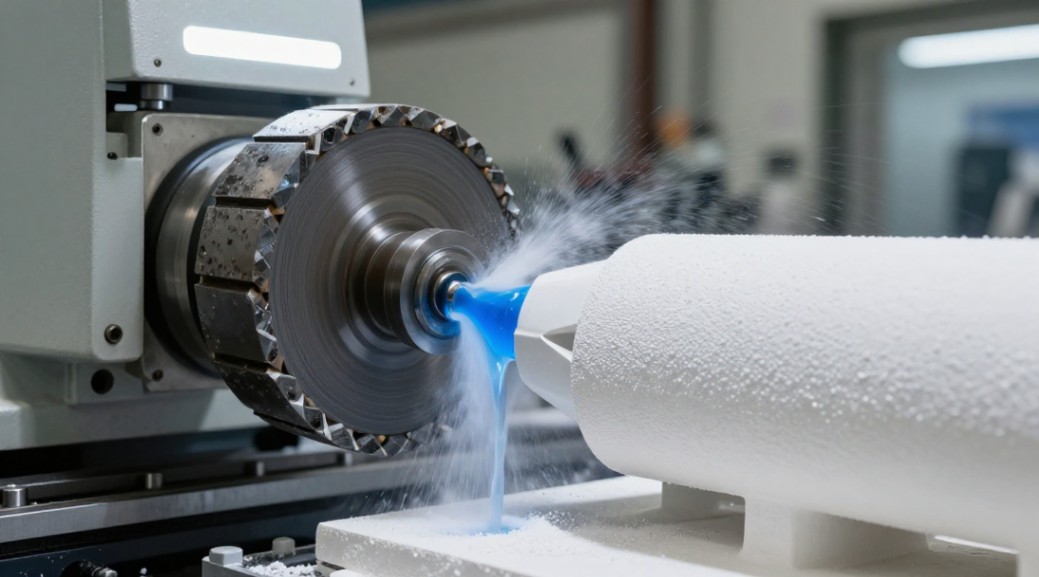
Step 4: Understand Post-Processing. You can lap and polish to a mirror finish. For metallization (like brazing on a metal part), surfaces often require a special coating or a moly-manganese layer to ensure adhesion.
What about purity levels? I see 96% and 99.5% alumina everywhere.
This is a key decision point. The small percentage difference makes a big impact.
- 96% Alumina: The industry staple. Contains silicate glass phases that aid sintering. It offers a great balance of strength, hardness, and cost. Use this for most industrial wear parts, thread guides, and robust insulators.
- 99.5% Alumina: Higher purity, higher performance. The reduced glass phase means higher electrical resistivity, better corrosion resistance, and superior performance at very high temperatures. Specify this for critical semiconductor components, high-vacuum environments, and advanced biomedical implants.
Where do I see this material in action?
Everywhere you need reliability under stress. It’s the secret weapon in:
- Cutting Tools & Abrasives: Inserts for machining cast iron, sandpaper grit, and grinding media.
- Electrical & Electronics: Substrates for circuits, spark plug insulators, and critical insulating tubes in furnaces.
- Industrial Wear: Pump seals, nozzles for sandblasting, and wear plates in mining equipment.
- Medical: Hip joint bearings and dental implants, thanks to its biocompatibility.
On forums like Reddit and engineering communities, users consistently praise its durability. One machinist noted, “Switched to alumina wear plates in our feed system, and we’ve gone 18 months without replacement instead of 6.”
The Future is Tougher: Where Alumina is Heading
The biggest knock on ceramics is brittleness. The future is in composites. Researchers are embedding continuous fibers (like carbon or oxide fibers) into the alumina matrix. This isn’t just theory. Techniques like slurry infiltration create a ‘double continuous structure,’ boosting fracture toughness dramatically-from a typical 3-5 MPa·m1/2 to over 10-20 MPa·m1/2. This makes it behave less like a window pane and more like a durable engineering material for aerospace and extreme environments.
Stop Compromising. Specify the Right Material.
Choosing the wrong material costs you time, money, and reputation. Aluminum oxide ceramic isn’t a niche lab curiosity; it’s a proven, dependable solution for the most punishing industrial challenges. You now have the knowledge to specify it with confidence, understand its machining needs, and leverage its full potential.
Ready to solve your wear, heat, or insulation problem? Don’t waste another cycle on underperforming components. Consult with a specialist ceramic manufacturer today. Provide them with your operating environment, load requirements, and design. They can guide you on the optimal grade, whether it’s standard 96% alumina, high-purity 99.5%, or an advanced composite, and deliver a component built to last. Make the switch to engineered reliability.
Suppiler
Synthetic-chemical focus on the research and development, production and sales of ceramic products, serving the electronics, ceramics, chemical and other industries. Since its establishment in 2015, the company has been committed to providing customers with the best products and services, and has become a leader in the industry through continuous technological innovation and strict quality management.
Our products includes but not limited to Aluminum Nitride, Aluminum Oxide, Boron Carbide, Boron Nitride, Ceramic Crucible, ect. If you are interested in any type of these, please feel free to contact us.