Next-Generation Ceramics: Unlocking Superior Properties for Industry

Your Essential Guide to Aluminum Oxide Ceramic
Aluminum oxide ceramic is the most widely used advanced ceramic because it offers excellent value. Its high hardness, chemical stability, and superb electrical insulation make it a workhorse material. For many wear and insulation applications, alumina is the first choice you should consider.
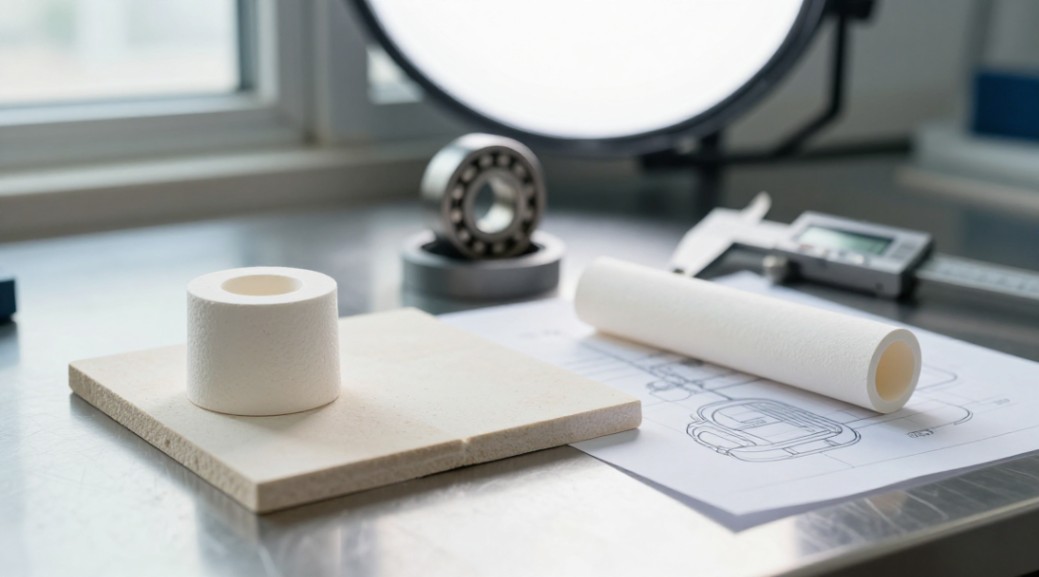
Core Properties: Why Aluminum Oxide Ceramic Succeeds
Let’s cut to the chase. You need to know what this material can do.
- Hardness: Excellent. It scores high on the Mohs scale, making it resistant to abrasion.
- Thermal Stability: Stable up to 1700°C (3092°F). It maintains its properties in high-heat environments.
- Electrical Insulation: Top-tier. This is its standout feature. Electrical resistivity is exceptionally high.
- Chemical Resistance: Highly inert. It resists strong acids and alkalis, perfect for corrosive settings.
- Biocompatibility: Certified for medical use. It’s bio-inert, meaning the human body doesn’t react to it.
Alumina vs. Other Advanced Ceramics: A Direct Comparison
Choosing the right ceramic depends on your application’s primary challenge.
Alumina vs. Silicon Carbide Ceramic
Silicon carbide ceramic is significantly harder and offers better thermal conductivity. However, it costs more and is less electrically insulating.
- Pick Silicon Carbide For: Extreme abrasion resistance, high thermal conductivity applications (like heat exchangers), or reaction-sintered silicon carbide components needing high strength.
- Pick Aluminium Oxide For: Electrical insulation, better cost-effectiveness for bulk wear parts, and superior chemical resistance in wet environments.
Alumina vs. Silicon Nitride Ceramic
Silicon nitride ceramic has superior fracture toughness and thermal shock resistance. It handles repeated heating and cooling cycles far better.
- Pick Silicon Nitride For: High-performance bearings, engine components, and any part subject to severe thermal cycling. Its toughness is a game-changer.
- Pick Aluminum Oxide For: Electrical substrates, insulators, pump seals in corrosive fluids, and standard wear plates where thermal shock isn’t the main issue.
Alumina vs. Boron Nitride Ceramic
Boron nitride ceramic is the non-stick champion with high thermal conductivity and lubricity. It’s often used with a special coating for crucibles.
- Pick Boron Nitride For: Molten metal containment (crucibles), release surfaces, and high-temperature electrical insulation where thermal conductivity is also needed.
- Pick Aluminum Oxide For: When you need a harder, more wear-resistant surface and where boron nitride’s softness is a disadvantage.
Common Applications: Where Aluminium Oxide Shines
You’ll find alumina in almost every industry. Here are the workhorse uses.
- Electronics: Circuit boards (substrates), insulators, and sensor housings. Its electrical properties are perfect.
- Industrial: Pump seals, wear liners, grinding media, and cutting tools. It fights abrasion and corrosion daily.
- Medical: Hip and knee joint implants, dental posts, and surgical tools. Its biocompatibility is proven.
- General Engineering: Thread guides, nozzles, and precision rollers. It’s the reliable default for demanding mechanical parts.
Critical Limitations You Must Consider
Alumina is brilliant, but it’s not perfect. Understanding its weaknesses prevents design failures.
- Brittleness: Like most ceramics, it’s not ductile. It can fracture under impact or point loading. You must design to avoid tensile stress concentrations.
- Thermal Shock Limitation: While good, it’s outperformed by silicon nitride or mullite ceramic in rapid temperature changes.
- Finishing Difficulty: Once sintered, it’s incredibly hard. Machining requires diamond tools and specialized processes, which increases cost.
- Lower Thermal Conductivity: It’s a thermal insulator. Don’t use it where you need to move heat efficiently.
What Do Engineers in the Field Say?
Community feedback is invaluable. I see consistent patterns in user discussions.

On engineering forums like Reddit, many users praise alumina for its reliability. “For our standard pump seals, switching to high-purity alumina ceramic doubled service life compared to metal,” one engineer noted. Another designer commented, “It’s my go-to for insulating spacers in high-voltage systems. The performance is predictable and cost-effective.” The most common warning is about its brittleness: “Always account for it in your mounting design. Don’t just clamp it down like a metal part.”
Key Decision Guide: How to Select the Right Material
Stop feeling overwhelmed. Use this simple flowchart logic.
Is electrical insulation the primary need? Choose aluminium oxide ceramic. Need maximum toughness and thermal shock resistance? Look at silicon nitride ceramic. Is the part subjected to extreme abrasion and high heat conductivity is a bonus? Evaluate silicon carbide ceramic. Working with molten metals and need non-wetting? Consider boron nitride ceramic. For most general wear, corrosion, and insulation needs where budget matters, alumina is the winning choice.
The Future of Alumina Ceramics
Innovation continues. Researchers are pushing boundaries to overcome alumina’s inherent limits.
The future is about composites. Think about incorporating continuous fibers, similar to strategies for Ultra-High Temperature Ceramics (UHTCs), to improve fracture toughness. While developing new oxide systems with melting points above 3000°C is a frontier for extreme environments, for alumina, the focus is on making it tougher and more reliable. Techniques that reduce sintering temperatures, akin to slurry infiltration methods, could make high-performance alumina components more accessible.
Your Next Step: Test Aluminum Oxide Ceramic
The best way to know is to try it in your application.
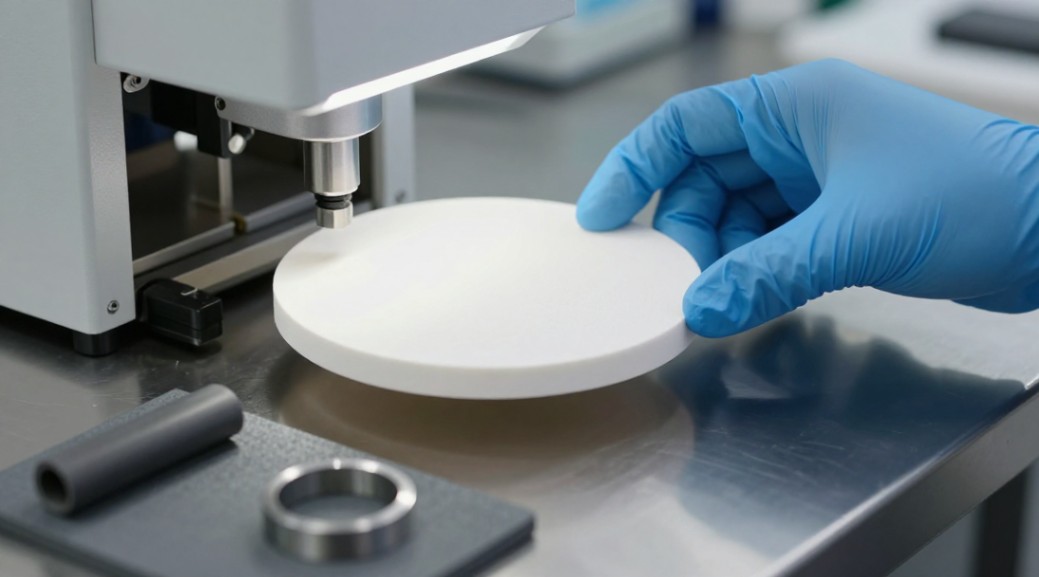
Don’t let analysis paralysis stop your project. For wear plates, seals, insulators, or precision components, aluminum oxide ceramic offers a proven balance of properties. Its track record is unmatched. I strongly recommend sourcing a few test samples or prototypes from a reputable supplier. Put the material through its paces in your specific environment. You’ll quickly see if its high hardness, chemical inertness, and excellent insulation solve your design challenge. Contact a specialist ceramic manufacturer today and start testing.
Suppiler
Synthetic-chemical focus on the research and development, production and sales of ceramic products, serving the electronics, ceramics, chemical and other industries. Since its establishment in 2015, the company has been committed to providing customers with the best products and services, and has become a leader in the industry through continuous technological innovation and strict quality management.
Our products includes but not limited to Aluminum Nitride, Aluminum Oxide, Boron Carbide, Boron Nitride, Ceramic Crucible, ect. If you are interested in any type of these, please feel free to contact us.