Next-Generation Ceramics: Unlocking Superior Properties for Industry

You Need a Material That Won’t Quit
You specify a component. It must withstand constant abrasion, operate reliably at high temperatures, and provide perfect electrical insulation. Your current solution is failing too soon, costing you in downtime and replacements. The pressure is on to find a material that performs. Many engineers face this exact frustration. This is where aluminum oxide ceramic earns its reputation. It is not a trendy solution; it is a proven, fundamental industrial material. Understanding its capabilities and limitations is crucial for solving persistent engineering challenges.
What Makes Aluminum Oxide Ceramic Tick?
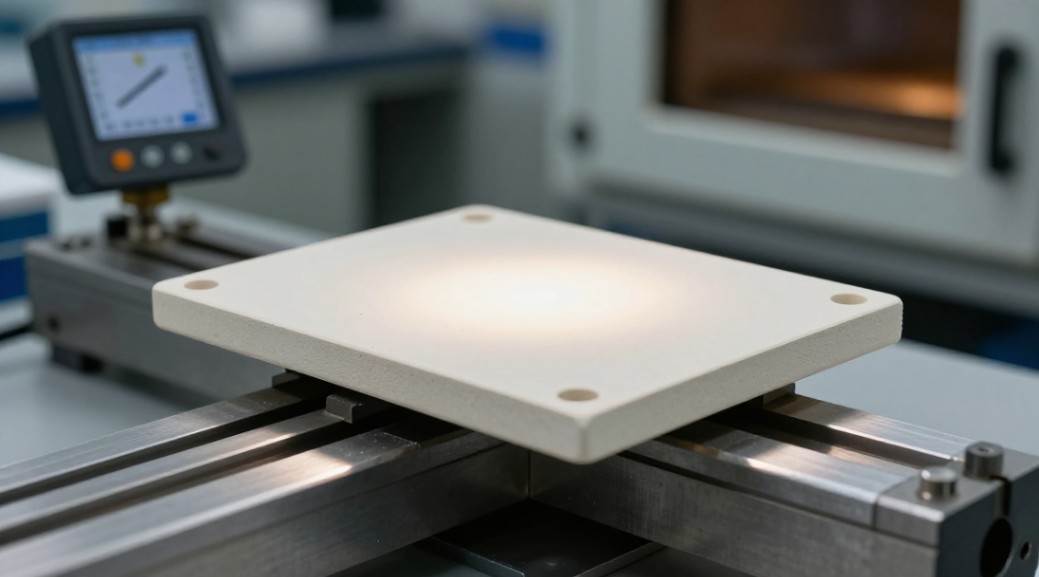
Aluminium oxide ceramic, commonly called alumina, is a high-performance technical ceramic primarily composed of Al2O3. Its properties stem from strong ionic bonds forming a dense, crystalline structure. This gives alumina a unique combination of hardness, chemical stability, and electrical resistance. Unlike polymers or metals, it maintains these characteristics under severe stress.
Core Properties: The Data Behind the Durability
Let’s break down the key characteristics that define alumina‘s role.
| Property | Typical Value | Practical Implication |
|---|---|---|
| Hardness (Vickers) | 15-20 GPa | Superior wear resistance against abrasive slurries and particulates. |
| Compressive Strength | 2000-4000 MPa | Excellent for load-bearing components like seals and bushings. |
| Maximum Use Temperature | 1600-1750 °C | Reliable performance in furnaces, kilns, and high-heat environments. |
| Dielectric Strength | 10-35 kV/mm | Critical for high-voltage insulators and electronic substrates. |
| Chemical Inertness | High | Resists attack from most acids, alkalis, and molten metals. |
The Critical Choice: Purity Grades
Not all alumina is the same. The Al2O3 content percentage dramatically affects performance and cost. Choosing the wrong grade is a common pitfall.
| Grade (Al2O3 %) | Key Characteristics | Typical Applications |
|---|---|---|
| 85-94% | Lower cost, good mechanical strength, slightly porous. | General wear parts, thread guides, economical insulators. |
| 96% | Industry workhorse. Optimal balance of strength, wear, and cost. | Pump seals, wear plates, nozzles, liner tiles. |
| 99.5%+ | Highest purity. Superior hardness, surface finish, and corrosion resistance. Higher cost. | Semiconductor wafer handling, advanced medical implants, high-performance labware. |
Where Aluminum Oxide Ceramic Solves Real Problems
Combating Wear and Abrasion
In mining, mineral processing, and power generation, equipment faces relentless abrasion. Alumina liners, pipes, and cyclone parts outperform steel in slurry systems. They extend service life by a factor of five or more. The result is less maintenance and lower total cost.
Enabling Electronics and High-Voltage Systems
Its high dielectric strength and thermal conductivity make alumina the default substrate for thick-film and thin-film circuits. Spark plug insulators, high-voltage bushing cores, and vacuum chamber feedthroughs rely on its electrical insulation at extreme temperatures.
Supporting Medical and Advanced Technologies
Alumina is biocompatible. This property drives its use in hip joint ball heads, dental implants, and bone screws. In laboratories, 99.8% alumina crucibles handle aggressive chemicals at high temperatures without contamination. It provides a stable, inert platform for sensitive processes.
Making the Right Comparison
Alumina is often compared to other technical ceramics. The choice depends on the primary stressor.
| Material | Key Advantage vs. Alumina | Best For |
|---|---|---|
| Zirconia (ZrO2) | Higher fracture toughness (less brittle). | Components subject to impact or thermal shock. |
| Silicon Nitride (Si3N4) | Superior thermal shock resistance and fatigue strength. | High-performance bearing balls, turbine components. |
| Silicon Carbide (SiC) | Higher thermal conductivity, extreme hardness. | Heat exchangers, abrasion zones in extreme conditions. |
| Boron Nitride (BN) | Excellent lubricity, easy machinability, thermal conductivity. | Release surfaces, high-temperature electrical insulators. |
Designing and Specifying with Confidence
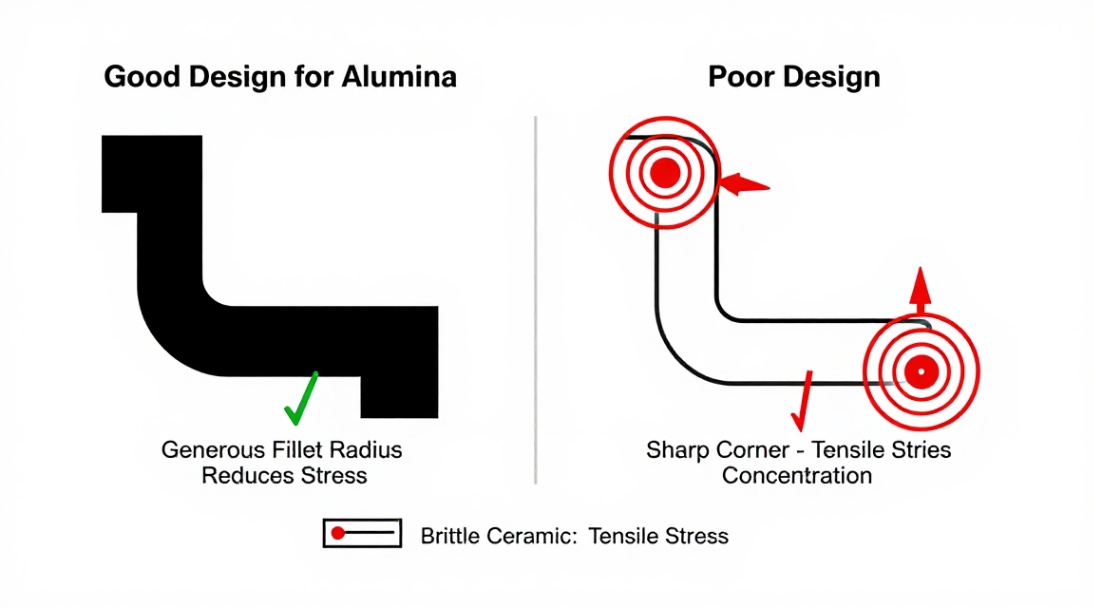
Alumina is brittle. Design must avoid tensile stress concentrations. Use generous radii. Tolerances are different from metals; precision grinding is often required. For complex shapes, consider isostatic pressing for uniform density or injection molding for high-volume, intricate parts. Always consult your ceramic manufacturer early in the design process. Their expertise is invaluable for avoiding costly redesigns.
Your Next Step
The data shows aluminum oxide ceramic’s clear role. It is the steadfast choice for wear, heat, and electrical challenges. Success depends on matching the purity grade and manufacturing process to your specific mechanical, thermal, and chemical environment. To make the optimal material decision, analyze your failure modes first. Is it abrasion, corrosion, or electrical breakdown? Then, use the comparisons here to narrow your options. For specialized applications involving extreme temperatures beyond alumina’s range, research into ultra-high temperature ceramics (UHTCs) like advanced zirconia or novel oxide systems is pushing boundaries past 3000°C. Start your specification with a clear understanding of these fundamentals.
Suppiler
Synthetic-chemical focus on the research and development, production and sales of ceramic products, serving the electronics, ceramics, chemical and other industries. Since its establishment in 2015, the company has been committed to providing customers with the best products and services, and has become a leader in the industry through continuous technological innovation and strict quality management.
Our products includes but not limited to Aluminum Nitride, Aluminum Oxide, Boron Carbide, Boron Nitride, Ceramic Crucible, ect. If you are interested in any type of these, please feel free to contact us.