Next-Generation Ceramics: Unlocking Superior Properties for Industry

Forget Everything You Think You Know About Ceramics
Aluminum oxide ceramic is not a magical cure-all material. It is a blunt instrument of engineering, and using it wrong costs a fortune. The industry peddles its hardness and temperature resistance as if that’s all that matters. It isn’t. The real challenge is navigating its brittleness and machining cost. Here is how to specify it correctly, and more importantly, how to machine it without destroying your budget.
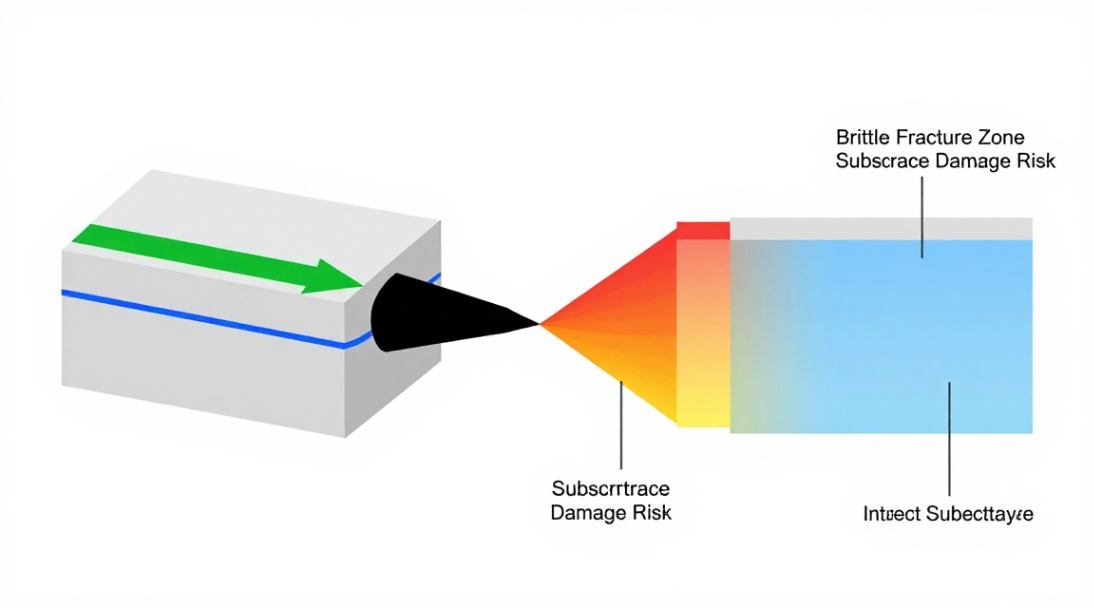
Step 1: Decide if Aluminium Oxide is the Right Blunt Instrument
Before you draw a single line, answer this: Do you truly need a ceramic? If your application involves moderate wear, electrical insulation, and temperatures under 1700°C, aluminium oxide ceramic is likely your most cost-effective ceramic choice. Its main competitor is often not another ceramic, but a hardened steel or tungsten carbide. Use this logic.
- Choose Metal (Steel, Carbide): When you need high impact toughness, complex geometries, or low-cost machining.
- Choose Aluminum Oxide: When you face severe abrasive wear, need electrical insulation at high temperatures, or require chemical inertness where metals corrode.
- Consider Zirconia or Silicon Nitride: Only when you need higher fracture toughness than alumina or superior thermal shock resistance for extreme cycling.
The Purity Paradox: More Alumina Isn’t Always Better
Don’t blindly spec 99.5% purity. The glassy grain boundary phase in 96% alumina gives it slightly better machinability and often higher strength at a lower cost. Higher purity (99.5%+) offers better corrosion resistance and higher operating temperatures but is harder and more expensive to machine. This is the first trade-off.
Step 2: Design to the Material’s Rules, Not Yours
This is where most projects fail. You cannot design for aluminum oxide like it’s metal. Follow these non-negotiable guidelines.
- Avoid Sharp Corners: Every inside corner must have a radius. A sharp 90-degree angle is a guaranteed crack initiation point. Specify a radius equal to at least the material thickness.
- Minimize Undercuts: They complicate molding and make diamond grinding nearly impossible. If you need an undercut, prepare to pay for EDM machining.
- Manage Tolerances Ruthlessly: Aluminium oxide sinters, it shrinks. Holding a ±0.0005″ tolerance across a large part is a fool’s errand and will quintuple your cost. Specify the tightest tolerance only on critical sealing or bearing surfaces. Use the table below to set realistic expectations.
- Understand the Surface Finish Limit: You can grind it to a mirror-like Ra 0.4 µin. But achieving that on a complex internal bore costs more than the part itself. Specify the finish only where it functionally matters, like for a seal.
Step 3: Compare It Honestly. Stop the Marketing Nonsense.
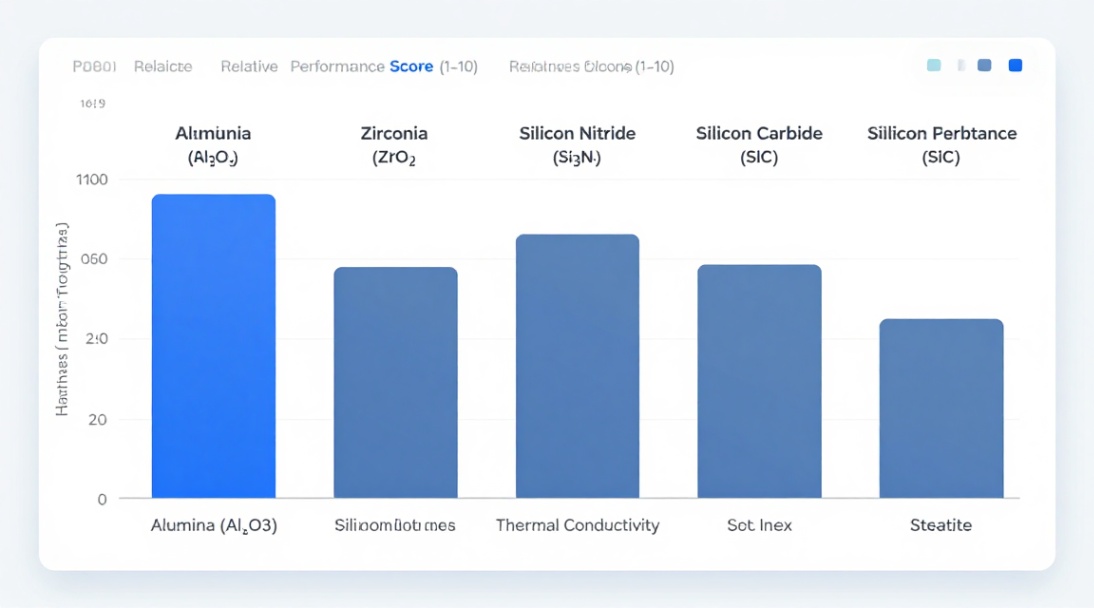
Let’s cut through the noise. Here’s how alumina stacks up against other common technical ceramics. This is based on fundamental material properties, not sales brochures.
| Material | Key Advantage vs. Alumina | Key Disadvantage vs. Alumina | When It Wins |
|---|---|---|---|
| Aluminum Oxide (Al2O3) | Best cost/performance, excellent hardness & insulation | Brittle, moderate thermal shock resistance | Wear plates, insulating substrates, labware, thread guides |
| Zirconia (ZrO2) | Much higher fracture toughness, metal-like | Lower hardness, higher cost, susceptible to low-temperature degradation | Precision bearings, cutting blades, biomedical implants |
| Silicon Nitride (Si3N4) | Exceptional thermal shock & fracture toughness | Very high cost, difficult to machine | High-performance bearings, turbine blades, welding fixtures |
| Silicon Carbide (SiC) | Superior thermal conductivity, extreme hardness | More brittle, much harder to machine, expensive | High-temperature heat exchangers, abrasion zones in pumps, armor |
| Aluminum Nitride (AlN) | Exceptional thermal conductivity (for a ceramic) | Lower mechanical strength, very high cost | Semiconductor wafer chucks, high-power electronics substrates |
Step 4: The Machining Process – Diamonds are Mandatory
You cannot mill or turn sintered aluminum oxide with carbide tools. You will destroy them. The process is grinding, and it follows a rigid sequence.
- Green Machining (If Possible): After forming (via dry pressing or isostatic pressing) but before the final high-temperature sintering, the part is in a ‘green’ state. It is like chalk. You can machine it with conventional carbide tools to get very close to net shape. This is the single biggest cost saver. If your supplier doesn’t offer this, find one that does.
- Sintering: The part shrinks 15-20% linearly. All your green-machined dimensions change. Your supplier’s experience with their specific feedstock dictates the final size.
- Diamond Grinding (The Expensive Part): This is where you achieve final dimensions and tolerances. Diamond grinding wheels, coolants, and rigid machines are required. Complex shapes require CNC diamond grinding, which is slow and costly.
- Lapping/Polishing (For Critical Surfaces): A final step using diamond slurry to achieve sub-micron finishes or tight flatness/parallelism specs.
To keep machining costs under control, simplify geometry and maximize green machining. Every feature you add after sintering multiplies the price.
The Unspoken Truth About Applications
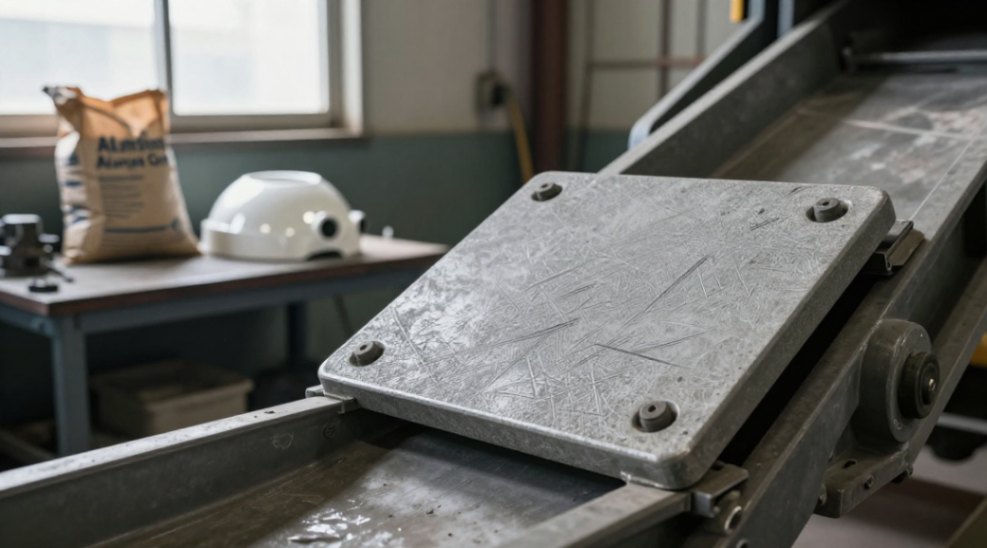
Aluminium oxide’s real value isn’t in exotic uses. It is in relentless, boring, brutal service. It is the substrate that carries a microchip. It is the seal face in a chemical pump that outlasts ten metal ones. It is the wear plate in a mining conveyor that isn’t replaced for a year instead of a month. Its role as a raw material (alumina) in refractories and abrasives is foundational to heavy industry. It wins through attrition, not flash.
What You Should Do Next
Stop looking for a generic ceramic supplier. You need a partner who understands this entire value chain. Engage a specialist early in your design process. Bring them your functional requirement, not just a CAD model. A good partner will challenge your design, suggest modifications for manufacturability, and guide you on the optimal grade (96% vs. 99.5%). They will handle the entire process from powder formulation, forming method, and, critically, green-state machining, through to final diamond grinding. This integrated approach is the only way to harness the power of aluminum oxide ceramic without falling victim to its cost and brittleness. Your first call should be to an application engineer, not a purchasing agent.
Suppiler
Synthetic-chemical focus on the research and development, production and sales of ceramic products, serving the electronics, ceramics, chemical and other industries. Since its establishment in 2015, the company has been committed to providing customers with the best products and services, and has become a leader in the industry through continuous technological innovation and strict quality management.
Our products includes but not limited to Aluminum Nitride, Aluminum Oxide, Boron Carbide, Boron Nitride, Ceramic Crucible, ect. If you are interested in any type of these, please feel free to contact us.