Next-Generation Ceramics: Unlocking Superior Properties for Industry

Have You Watched Your $500 Ceramic Part Shatter Into a Thousand Pieces?
You spent weeks on the design. You paid a premium for what you thought was the right aluminum oxide ceramic grade. Then, during a routine test, it cracked. A total loss. If that sounds familiar, you are not alone. Many users on Reddit and engineering forums share these horror stories. I have been a ceramic engineer for over two decades, and I have seen the same errors destroy projects again and again. Let me walk you through the 5 biggest traps so you can avoid them.
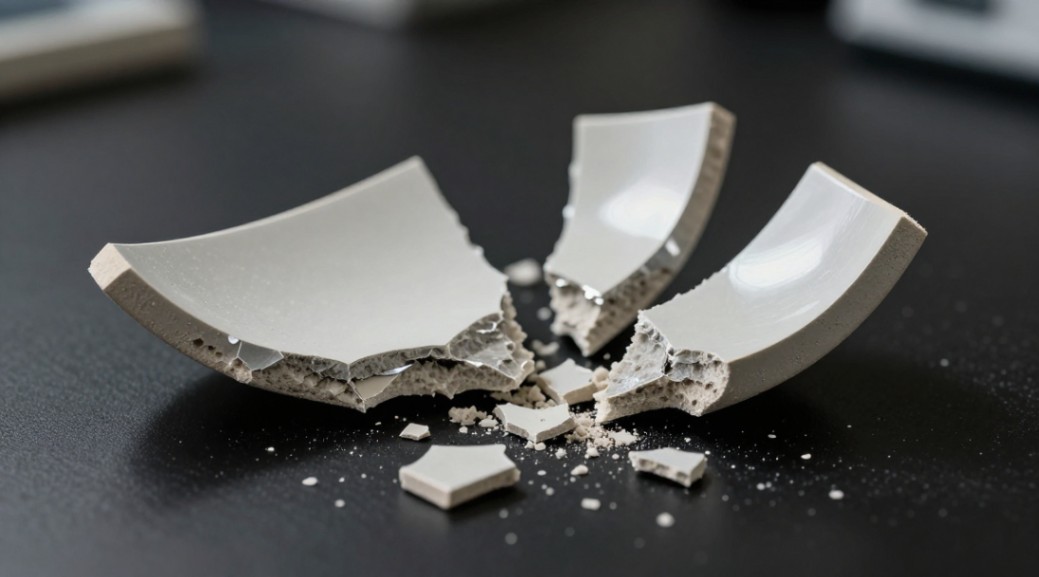
The mistake is almost never with the material itself. Aluminum oxide ceramic (Al₂O₃) is a phenomenal engineering material. It offers high hardness, excellent wear resistance, and exceptional thermal stability with a melting point around 2072°C. It provides outstanding electrical insulation and corrosion resistance against both acids and alkalis. But its performance depends entirely on how you select, design, and machine it.
Here is the hard truth: your success with aluminum oxide ceramic starts with avoiding these critical errors. Let us dive in.
The 5 Critical Mistakes with Aluminum Oxide Ceramic
Below is a summary of the most common pitfalls. Study this table carefully. It might save your next project.
Mistake #1: Choosing the Wrong Purity Grade for Your Application
| Key Properties | 94% Purity Grade | 96% Purity Grade | 99.5% Purity Grade |
|---|---|---|---|
| Relative Cost | Lowest | Moderate | Highest |
| Mechanical Strength | Good for general use | Higher, suitable for structural parts | Excellent, best for demanding loads |
| Corrosion Resistance | Adequate for mild acids/alkalis | Good | Excellent, resists harsh chemicals |
| Typical Applications | Abrasives, general insulation | Electronics substrates, mechanical seals | Medical implants, high-temperature components |
| The Trap to Avoid | Using in a chemically harsh environment | Assuming it matches 99.5% for wear | Overspending when a lower grade works |
The Warning: Do not assume higher purity always equals better performance. A 94% grade is perfect for low-cost abrasives. Use it for a chemical reactor liner, and you invite failure. Similarly, 99.5% is overkill for simple electrical insulation. Match the grade to the environment.
Mistake #2: Ignoring Porosity Control
Pores are tiny stress concentrators. If your manufacturer uses a pressureless sintered silicon carbide ceramics process for alumina and skips porosity control, your part will be weak. Do not accept components without documented porosity specs. Reaction-sintered silicon carbide ceramics or recrystallized silicon carbide ceramics offer different microstructures. For alumina, demand a final density above 99% for any load-bearing application.
The fix: If you need high mechanical strength, specify hot pressing or HIP (Hot Isostatic Pressing). These processes close internal pores.
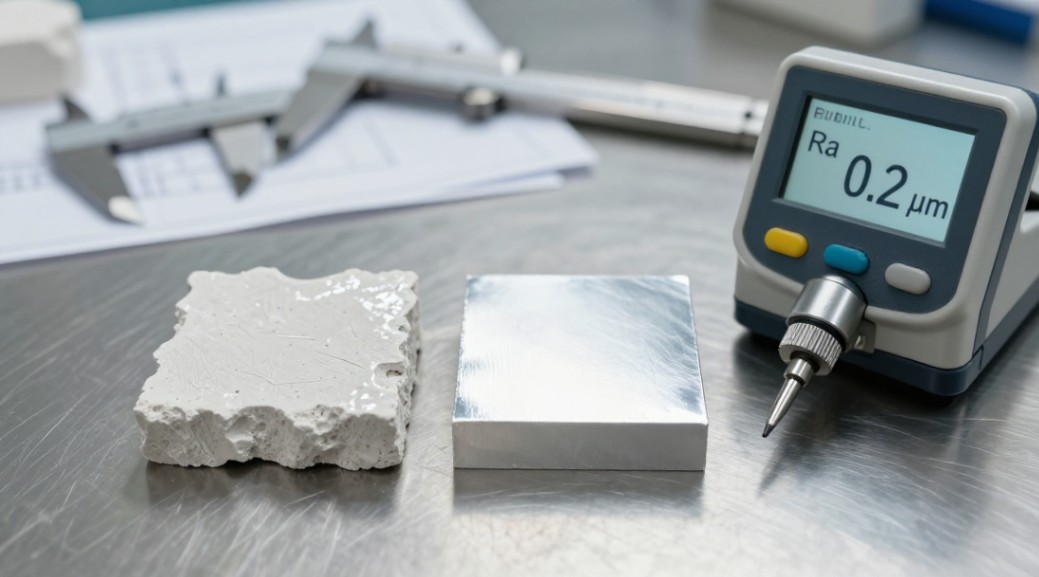
Mistake #3: Machining Without Understanding the Surface Finish
Alumina is hard. It wears down standard tooling fast. Many users on Reddit complain about chipped edges and cracked surfaces after machining. They blame the ceramic. The real culprit is poor grinding technique.
The Warning: Do not use conventional cutting tools. You must use diamond grinding. Even then, aggressive feeds create surface micro-cracks. These invisible flaws cause delayed failure under load.
Best practice: Specify a surface finish requirement (e.g., Ra < 0.4 µm) and ask your supplier for a process control plan. A polished surface dramatically improves fatigue life.
Mistake #4: Confusing Aluminum Oxide with Other Technical Ceramics
It is easy to lump all advanced ceramics together. They are not the same. Aluminum nitride ceramic has superior thermal conductivity but lower strength. Boron carbide ceramic is harder but more expensive. Boron nitride ceramic is machinable but has poor wear resistance. Silicon carbide ceramic and silicon nitride ceramic offer different property sets. Mullite ceramic and quartz ceramic have their own niches. Do not substitute blindly.
The Warning: Using alumina where silicon nitride ceramic is required (e.g., for high thermal shock) invites failure. Check thermal expansion coefficients and fracture toughness before finalizing your material choice.
And one specific note: if you use a special coating for boron nitride ceramic crucibles in a process, do not assume it works for uncoated alumina. Test first.
Mistake #5: Neglecting the Manufacturing Process Consistency
Not all alumina is created equal. Two 99.5% purity parts from different suppliers can perform wildly differently. The key is the manufacturing process. Sintering parameters, grain size control, and impurity levels from the aluminum oxide ceramic composition and chemical formula Al2O3 starting powder all matter.
The Warning: Do not buy on price alone. Ask for a material certification that includes grain size, density, and flexural strength data. If the supplier hesitates, walk away. Silicon carbide-bonded silicon nitride ceramics require even stricter process control, but the lesson applies universally.
Ready to Build Components That Last?
You now know the traps. You understand the importance of grade selection, porosity control, proper machining, correct material identification, and consistent manufacturing. Stop wasting money on failed prototypes. Stop the frustration of cracked parts.
Here is your call to action: Before you place your next order for prototype alumina parts, contact our team for a free material selection audit. We have been in this field for over 20 years. We will help you choose the right grade, specify the correct finish, and avoid the 5 mistakes above.
Get Your Free Audit – Avoid Costly Mistakes
Do not let another $500 part shatter. Act now. Your project deserves a strong foundation.
Suppiler
Synthetic-chemical focus on the research and development, production and sales of ceramic products, serving the electronics, ceramics, chemical and other industries. Since its establishment in 2015, the company has been committed to providing customers with the best products and services, and has become a leader in the industry through continuous technological innovation and strict quality management.
Our products includes but not limited to Aluminum Nitride, Aluminum Oxide, Boron Carbide, Boron Nitride, Ceramic Crucible, ect. If you are interested in any type of these, please feel free to contact us.