Next-Generation Ceramics: Unlocking Superior Properties for Industry

Not Your Average Dirt: Why Aluminum Oxide Ceramic Works Where Others Fail
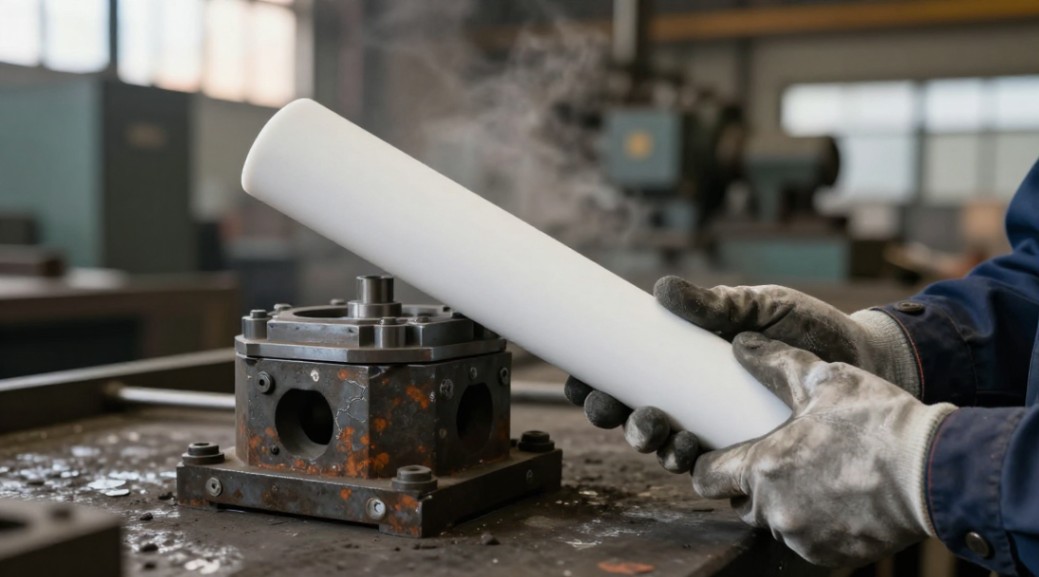
I remember my first visit to a steel mill floor. The heat was oppressive, the noise deafening. I watched a technician replace a worn-out sensor housing. The old part, made from a standard material, was warped and cracked. He installed a simple, smooth white sleeve. That sleeve, an aluminium oxide ceramic, lasted over a year in that punishing environment. In that moment, I didn’t just see a component; I saw the solution to a thousand problems. Aluminum oxide ceramic is more than just “alumina.” It’s a reliable partner for engineers facing extreme wear, heat, and electrical challenges.
Your Questions, Answered Simply
What exactly is aluminum oxide ceramic?
Think of it as a super-charged version of sapphire or ruby. We start with fine, purified aluminium oxide powder (Al2O3). Through a high-temperature process called sintering, we fuse those particles into an incredibly dense, polycrystalline structure. The result is a material that isn’t just hard; it’s predictably excellent. According to a 2022 market analysis by Grand View Research, its reliability makes it the dominant material in the advanced ceramics sector, especially for wear parts and electrical substrates.
What makes it so special compared to other materials?
Three words: hardness, stability, and insulation. Its Mohs hardness is a 9, right behind diamond. This directly translates to superior wear resistance, outperforming many steels in abrasive environments. It maintains strength at temperatures over 1500°C, making it a champion for furnace linings and thermocouple tubes. Crucially, it’s an outstanding electrical insulator, even at high temperatures. While materials like silicon carbide ceramic offer higher thermal conductivity, or zirconia provides higher fracture toughness, aluminum oxide offers the best all-round balance for many applications.
I see 96% and 99.5% Al2O3. Which one do I need?
This is the most critical choice you’ll make. Choose 96% Al2O3 for mechanical and wear applications. The small percentage of silicate glass phase helps with sintering, making it slightly tougher and more cost-effective for components like seal rings, pump liners, and cutting tool inserts. Choose 99.5% Al2O3 (or higher) for electrical and high-purity applications. Its superior dielectric strength, corrosion resistance, and smoother surface finish are mandatory for semiconductor handling parts, medical prosthetics, and high-voltage insulators. Don’t overpay for purity you don’t need.
A Step-by-Step Guide to Implementing Alumina Ceramics
Step 1: Pinpoint Your Primary Failure Mode
Is the part failing from abrasion? Is it cracking from thermal shock? Is electrical leakage the problem? Aluminum oxide is superb for abrasion and corrosion. For severe thermal shock, consider a silicon nitride ceramic. For extreme wear combined with chemical attack, look at boron carbide ceramic. Start with the root cause.
Step 2: Design for Ceramics, Not Metals
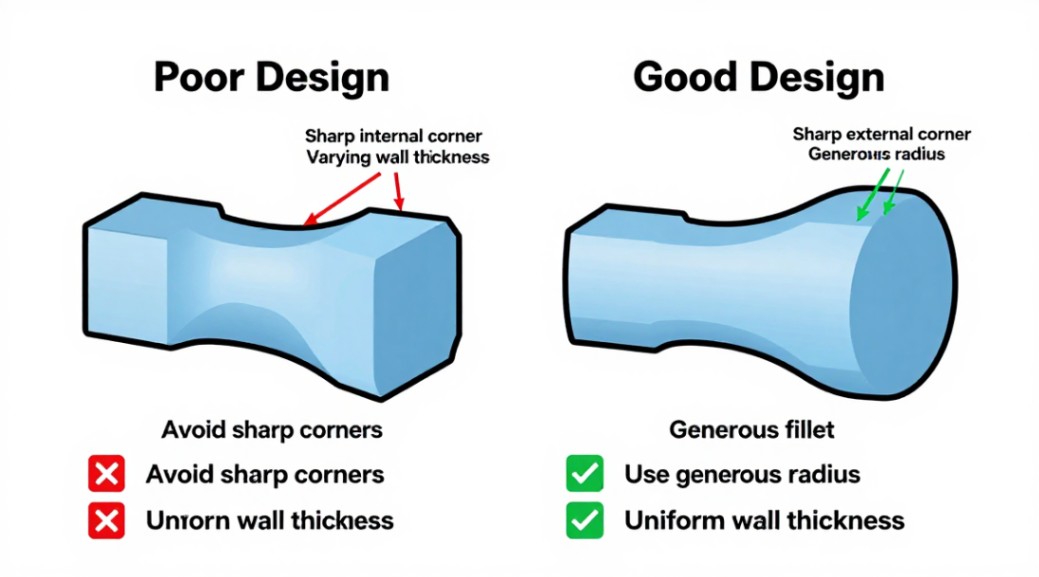
This is where projects stumble. Ceramics are strong in compression but brittle in tension. Avoid sharp corners. Use generous radii. Design for uniform wall thickness to prevent cracking during sintering. Always specify tolerances achievable with diamond grinding. Talk to your supplier during the design phase. Their expertise is invaluable.
Step 3: Select the Right Fabrication Partner
The journey from powder to part is complex. Ask potential partners about their sintering capabilities. Do they pressureless sinter, or use hot pressing? Can they provide the necessary surface finish? For intricate shapes, ask about their machining process. A good partner will question your design to ensure success.
Where This Material Truly Shines
Aluminum oxide ceramic is the unsung hero in countless industries. In manufacturing, it lines pipelines carrying abrasive slurries. In electronics, it forms the sturdy, insulating substrates for circuit boards. In medical labs, its biocompatibility makes it ideal for dental implants and joint prosthetics. In your car, it protects critical sensors from exhaust heat. It even serves as a protective special coating for boron nitride ceramic crucibles in metal processing, extending their life significantly.
Stop Compromising on Component Performance
You don’t have to choose between wear resistance, heat tolerance, and electrical insulation. Aluminium oxide ceramic delivers all three. It’s a proven, reliable solution that extends equipment life and reduces downtime. If you’re battling component failure in a demanding environment, this material is your next step.
Ready to solve your toughest material challenge? Don’t experiment with guesswork. Consult with a specialist who has the practical experience to match your application with the perfect grade and design. Contact our technical team today for a free, no-obligation review of your component needs. Let’s build something that lasts.
Suppiler
Synthetic-chemical focus on the research and development, production and sales of ceramic products, serving the electronics, ceramics, chemical and other industries. Since its establishment in 2015, the company has been committed to providing customers with the best products and services, and has become a leader in the industry through continuous technological innovation and strict quality management.
Our products includes but not limited to Aluminum Nitride, Aluminum Oxide, Boron Carbide, Boron Nitride, Ceramic Crucible, ect. If you are interested in any type of these, please feel free to contact us.