Next-Generation Ceramics: Unlocking Superior Properties for Industry

From Rusty Gate to Reliable Heart
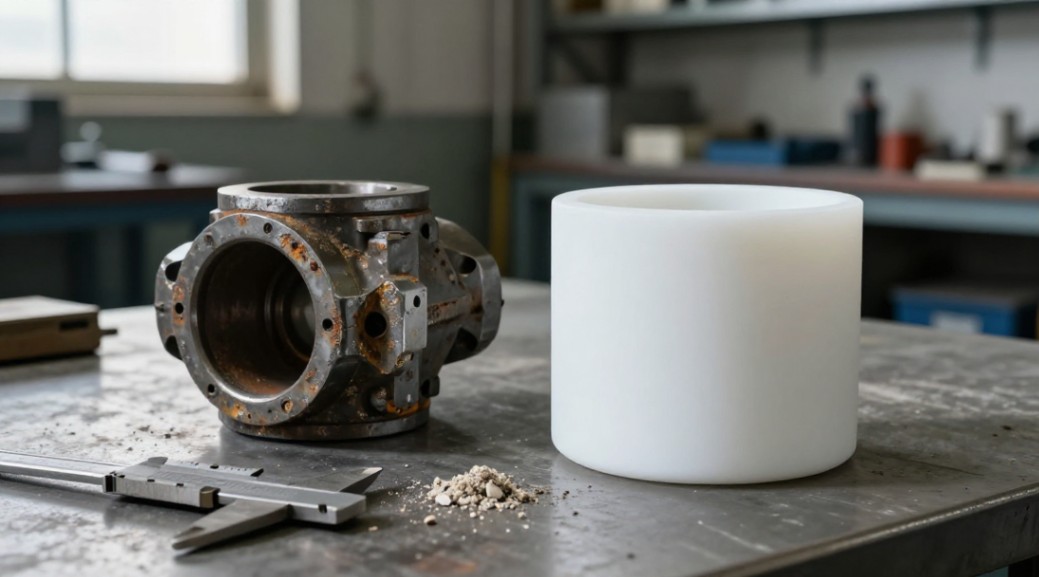
Two decades ago, I watched a client struggle. A critical feed gate in their chemical plant, made from a high-grade alloy, was failing every six months. Corrosion and abrasive slurry ate it alive. The downtime was expensive, dangerous, and frustrating. We proposed a simple-looking white ceramic liner. Skepticism was high. That liner ran for over seven years before a scheduled inspection. It didn’t just solve a problem; it redefined the plant’s maintenance philosophy. That material was aluminium oxide ceramic. Its story isn’t about being the flashiest or newest. It’s about being the most reliably effective solution to some of engineering’s toughest challenges.
The Data Behind the Durability
Why does alumina succeed where metals and polymers fail? The numbers tell a compelling story. It’s not one superior property, but a unique combination that creates an unparalleled performance envelope. Let’s break down the key metrics that define its role.
Core Property Matrix: Alumina vs. Common Alternatives
| Property | Aluminium Oxide (96% Al2O3) | Hardened Steel (AISI 440C) | Engineering Polymer (PEEK) | Why It Matters |
|---|---|---|---|---|
| Vickers Hardness | ~1600 HV | ~600 HV | ~25 HV | Directly correlates to wear and abrasion resistance. Alumina outperforms steel dramatically. |
| Compressive Strength | >2500 MPa | ~1900 MPa | ~120 MPa | Critical for load-bearing components in seals, bearings, and cutting tools. |
| Maximum Use Temperature (Inert) | 1650°C | 540°C | 250°C | Enables service in furnaces, thermal processing, and high-heat environments where metals soften. |
| Thermal Conductivity | 25 W/mK | 25 W/mK | 0.25 W/mK | Similar to steel, allowing effective heat dissipation in substrates and insulators. |
| Volume Resistivity (25°C) | >1014 Ω·cm | ~10-5 Ω·cm | ~1016 Ω·cm | Perfect electrical insulator, even at elevated temperatures. Essential for electronics and spark-prone environments. |
Strategic Applications: Where Alumina Earns Its Keep
This property profile isn’t academic. It translates directly into solutions. We see three primary battlegrounds where alumina ceramic consistently wins.
1. The War on Wear
In bulk material handling – mining, power generation, cement – abrasion is the primary enemy. Here, alumina liners, pipes, and chutes outlast steel by a factor of 5 to 20. The cost isn’t just in part replacement; it’s in lost production. A pump seal face made from alumina paired with carbon runs cooler and lasts longer than metal-on-metal, preventing catastrophic failure. For cutting tools, alumina-based inserts handle high-speed finishing of superalloys where pure tungsten carbide would rapidly degrade.
2. Insulating Under Fire
Electrical properties are stable where it matters most: at high heat. This makes alumina the default substrate for thick-film electronics in automotive sensors and power modules. It carries the circuit while insulating it, even nestled next to a hot engine. In semiconductor manufacturing, alumina components handle wafers and provide insulation in plasma-rich etchers. Compare it to other options: while boron nitride ceramic offers better thermal conductivity, it’s often cost-prohibitive for large substrates. Mullite ceramic has lower thermal expansion but also lower strength. Alumina finds the sweet spot.
3. The Biocompatibility Bridge
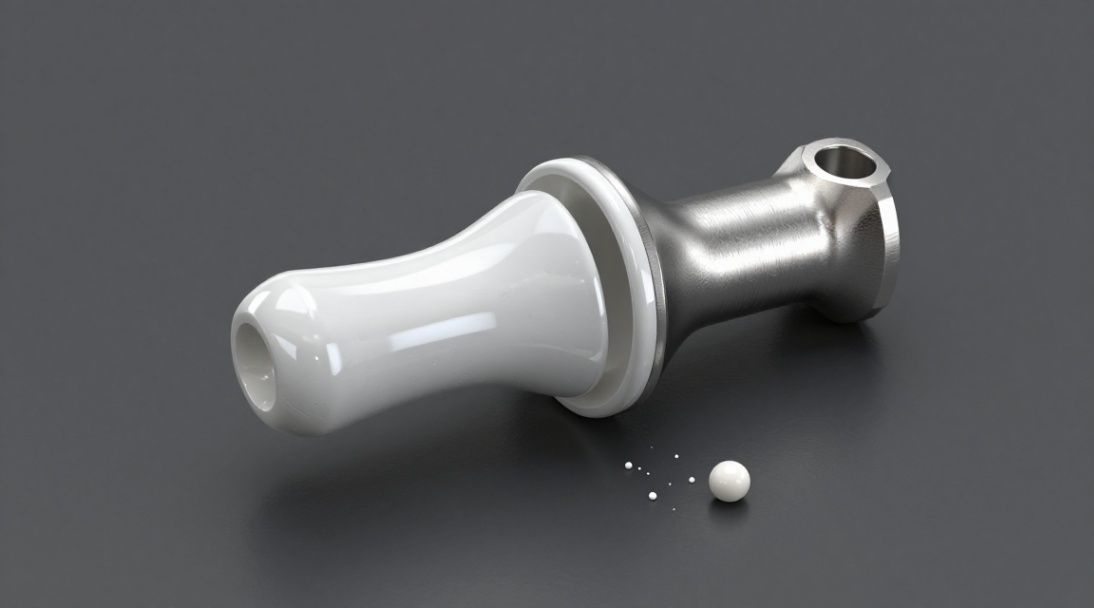
In the body, corrosion resistance becomes biocompatibility. Aluminum oxide’s inertness and high wear resistance make it a premier material for orthopedic bearings. Hip and knee replacements use alumina-on-alumina or alumina-on-polyethylene couplings. They generate fewer abrasive wear particles than metal-on-polymer, reducing osteolysis and implant loosening. Its stability in the body is proven, reliable.
The Alumina Selection Landscape: Purity Dictates Purpose
Not all alumina is equal. The grade you choose is a direct cost-performance calculation. Industry primarily uses three tiers.
- 85-90% Purity: The workhorse. Used for wear tiles, abrasion-resistant liners, and grinding media. It offers excellent hardness and good strength at the most competitive price. This is the liner from my opening story.
- 96-99% Purity: The technical grade. This is the realm of substrates, seals, cutting tool inserts, and biomedical components. It offers superior mechanical properties, finer grain structure, and better surface finish for precision applications.
- >99.5% Purity: The high-performance specialist. Used in high-pressure sodium vapor lamp tubes, critical semiconductor components, and advanced laboratory ware. It offers the ultimate in corrosion resistance, electrical properties, and optical transmission, but at a significant cost premium.
The trend we see is toward engineered microstructures within these purity bands. By controlling grain size and adding specific sintering aids, manufacturers can tailor properties – like trading a slight amount of hardness for increased fracture toughness – to meet specific application stresses.
Looking Ahead: The Mature Innovator
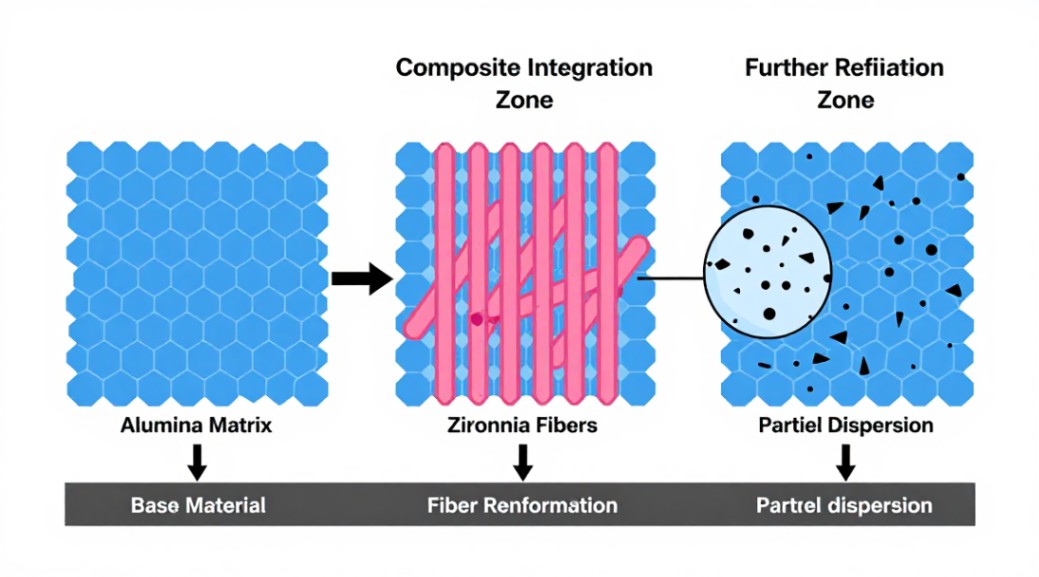
Alumina isn’t a static technology. Innovation focuses on refinement and integration. Composite structures, where alumina is combined with zirconia or silicon carbide ceramic, push the boundaries of toughness. Advanced coating techniques, like those used for boron nitride ceramic crucibles, are being adapted to enhance alumina’s surface properties for specific chemical or thermal shocks. The driving force remains the same: delivering predictable, fail-safe performance in environments that consume other materials. It’s the unbreakable workhorse, constantly being trained for heavier loads.
When your design faces abrasion, heat, corrosion, or electrical isolation, the question isn’t always “What’s the newest material?” Often, the more powerful question is, “Has alumina been properly evaluated?” The data, the case histories, and the decades of field service provide a compelling answer. Start your component analysis there.
Suppiler
Synthetic-chemical focus on the research and development, production and sales of ceramic products, serving the electronics, ceramics, chemical and other industries. Since its establishment in 2015, the company has been committed to providing customers with the best products and services, and has become a leader in the industry through continuous technological innovation and strict quality management.
Our products includes but not limited to Aluminum Nitride, Aluminum Oxide, Boron Carbide, Boron Nitride, Ceramic Crucible, ect. If you are interested in any type of these, please feel free to contact us.