Next-Generation Ceramics: Unlocking Superior Properties for Industry

What is Aluminum Oxide Ceramic?
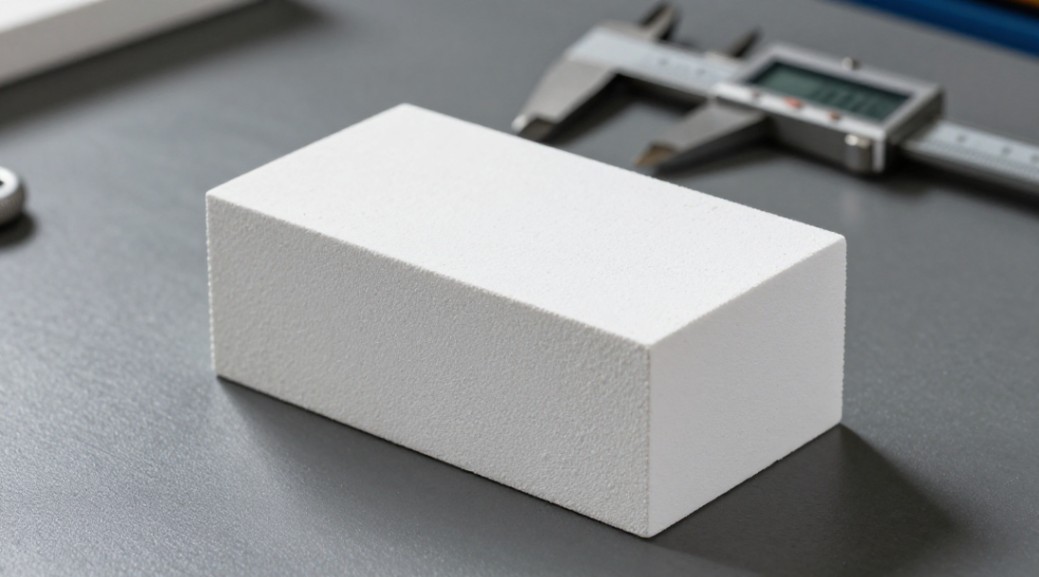
Aluminum oxide ceramic, also known as alumina, is a technical ceramic primarily composed of aluminum oxide (Al2O3). It is the most widely used advanced ceramic material due to its excellent combination of properties, cost-effectiveness, and proven reliability across industries. Manufacturers produce it by sintering high-purity alumina powders into dense, polycrystalline components that offer superior hardness, thermal stability, and electrical insulation.
Core Properties and Definition
The material‘s performance stems from its strong ionic bonds. Standard compositions range from 85% to over 99.9% Al2O3, with property enhancement correlating directly with purity. High-purity grades deliver superior performance but at increased cost. Key properties define its role.
- Extreme Hardness: Second only to diamonds and materials like boron carbide and silicon carbide, providing exceptional wear resistance.
- High Thermal Stability: Maintains strength and shape up to 1700°C, outperforming most metals and polymers.
- Excellent Electrical Insulation: High dielectric strength and volume resistivity make it an ideal substrate and insulator.
- Superior Chemical Inertness: Resists attack from strong acids, bases, and molten metals.
- Good Biocompatibility: Certified for long-term implantable devices like hip sockets and dental roots.
Alumina vs. Other Engineering Ceramics: A Data-Driven Comparison
Material selection requires comparing trade-offs. The table below benchmarks aluminium oxide ceramic against common alternatives.
| Material | Key Advantages | Key Limitations vs. Alumina | Typical Use Case |
|---|---|---|---|
| Aluminium Oxide (Al2O3) | Optimal cost/performance, excellent insulation, high hardness, readily available. | Lower fracture toughness, higher thermal expansion than some nitrides. | Wear plates, electronic substrates, medical implants, general industrial components. |
| Silicon Nitride (Si3N4) | Exceptional fracture toughness & thermal shock resistance. | Significantly higher cost, more complex sintering process. | High-performance bearings, cutting tools, turbine components. |
| Silicon Carbide (SiC) | Higher thermal conductivity, superior chemical erosion resistance. | More brittle, generally more expensive than standard alumina grades. | High-temperature kiln furniture, abrasion nozzles, semiconductor process parts. |
| Zirconia (ZrO2) | Highest fracture toughness & flexural strength of oxide ceramics. | Lower hardness, potential phase instability at very high temperatures. | Precision blades, orthopedic implants, high-strength dental restorations. |
| Aluminum Nitride (AlN) | Excellent thermal conductivity (5-10x alumina) while insulating electrically. | High cost, sensitive to moisture during processing, lower hardness. | High-power LED substrates, semiconductor package bases. |
This comparison clarifies why aluminum oxide ceramic remains the default choice. As one engineer noted on a Reddit forum, “For 80% of our wear component applications, 96% alumina does the job at a fraction of the cost of silicon nitride or zirconia. We reserve those for extreme stress cases.” This pragmatic feedback highlights its role as a workhorse material.
Primary Industrial Applications of Aluminum Oxide Ceramic
Electronics and Electrical Insulation
Alumina is the dominant material for ceramic substrates in thick-film and thin-film electronic circuits. Its high dielectric strength, good thermal conductivity for an insulator, and smooth surface finish enable precise printing of conductive paths. You find it in every layer of modern electronics.
- Substrates & Chip Carriers: For integrated circuits (ICs), power modules, and RF/microwave components.
- Insulating Washers & Bushings: In high-voltage equipment and power transmission systems.
- Heater Tubes & Thermocouple Sheaths: Providing electrical isolation in high-temperature environments.
Wear-Resistant Mechanical Components
Its hardness directly translates to abrasion resistance. In industries handling abrasive powders, slurries, or fibers, alumina components outlast steel by orders of magnitude. Common forms include liners, nozzles, seals, and guide rollers.
Medical and Biomedical Implants
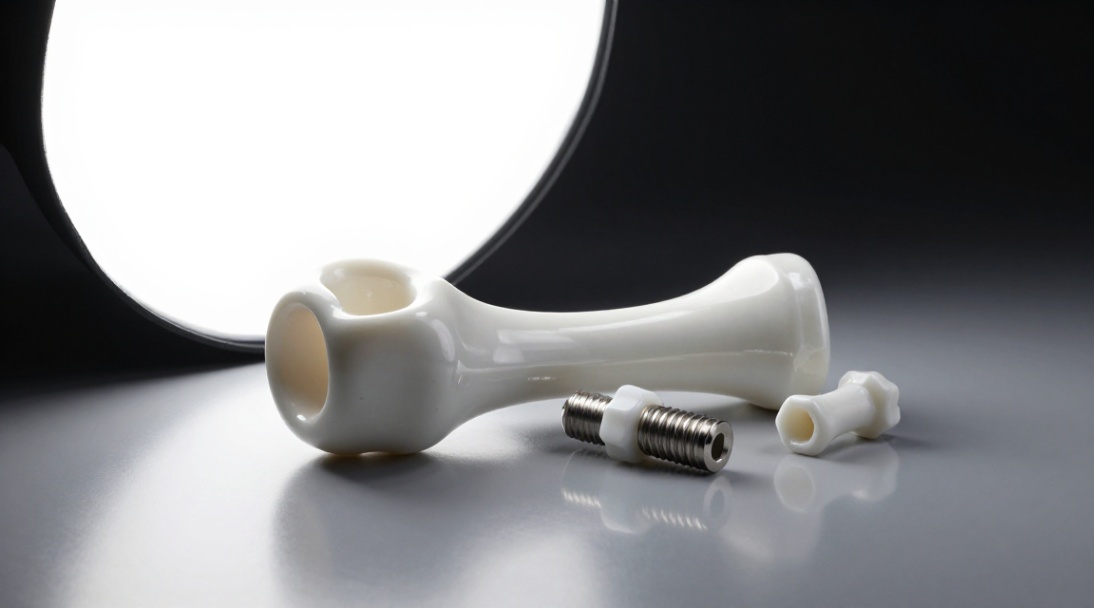
The material’s biocompatibility, wear resistance, and corrosion resistance make it suitable for load-bearing implants. High-purity, low-porosity grades are essential here. Applications include femoral heads in hip replacements, dental implants, and bone screws.
High-Temperature and Thermal Management
While not the best thermal conductor like aluminum nitride or silicon carbide, alumina’s stability makes it ideal for furnace insulators, thermocouple protection tubes, and handling fixtures in brazing and heat-treating operations.
Limitations and Critical Design Considerations
No material is perfect. The primary limitation of aluminum oxide ceramic is its brittleness or low fracture toughness. Designers must account for this.
- Avoid sharp internal corners and stress concentrators. Use generous radii.
- Never press-fit or mechanically fasten without careful analysis. Use compliant adhesives or sleeves.
- Understand its lower thermal shock resistance compared to silicon nitride or mullite ceramic. Avoid rapid quenches.
For applications demanding higher toughness, consider alumina-matrix composites or switching to a material like zirconia.
The Future: Composites and Advanced Grades
Research focuses on enhancing aluminium oxide ceramic’s properties. Adding secondary phases like zirconia particles (to form ZTA – Zirconia Toughened Alumina) or silicon carbide whiskers significantly improves fracture toughness and strength. These advanced composites bridge the gap between standard alumina and premium ceramics, offering tailored solutions for demanding applications where pure alumina falls short.
Final Recommendation: When to Specify Aluminium Oxide Ceramic
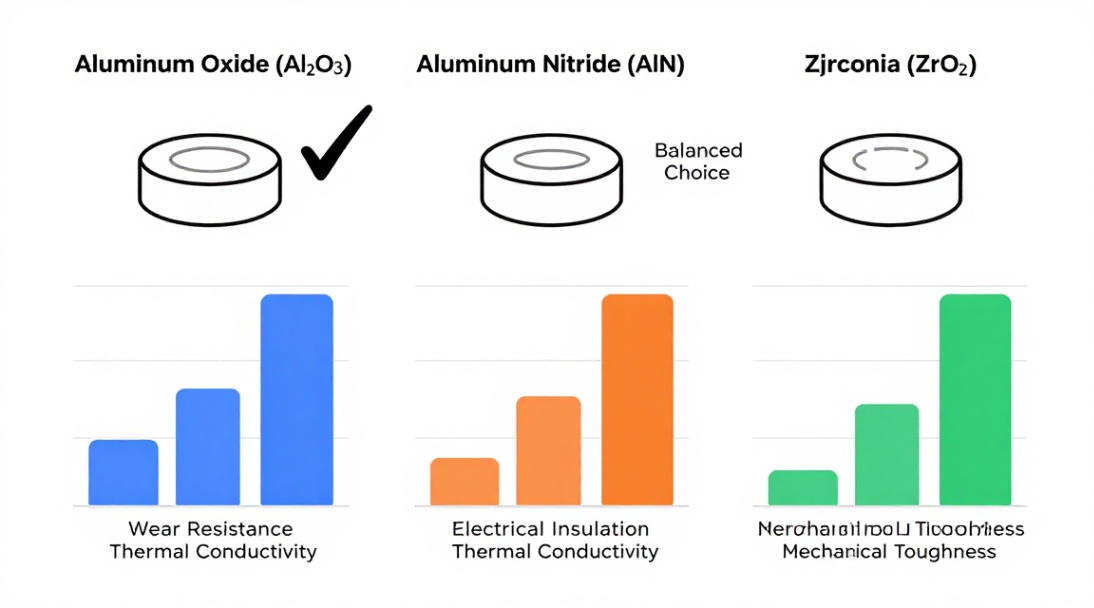
Specify aluminum oxide ceramic when your design requires a balance of wear resistance, electrical insulation, high-temperature capability, and chemical inertness at a reasonable cost. It is the first-choice ceramic for most industrial applications. For extreme thermal conductivity, choose aluminum nitride. For ultimate toughness under mechanical load, evaluate zirconia or silicon nitride.
Do not compromise on component quality. The sintering process and raw material purity dictate final performance. I recommend sourcing from established manufacturers who provide full material certification and traceability. For your next project requiring a reliable, high-performance ceramic, start your specification review with aluminium oxide. Request material data sheets and consult directly with an applications engineer to select the optimal alumina grade-be it 96%, 99.5%, or a composite-for your specific operating environment and lifetime requirements.
Suppiler
Synthetic-chemical focus on the research and development, production and sales of ceramic products, serving the electronics, ceramics, chemical and other industries. Since its establishment in 2015, the company has been committed to providing customers with the best products and services, and has become a leader in the industry through continuous technological innovation and strict quality management.
Our products includes but not limited to Aluminum Nitride, Aluminum Oxide, Boron Carbide, Boron Nitride, Ceramic Crucible, ect. If you are interested in any type of these, please feel free to contact us.