Next-Generation Ceramics: Unlocking Superior Properties for Industry

The Truth Most Engineers Ignore
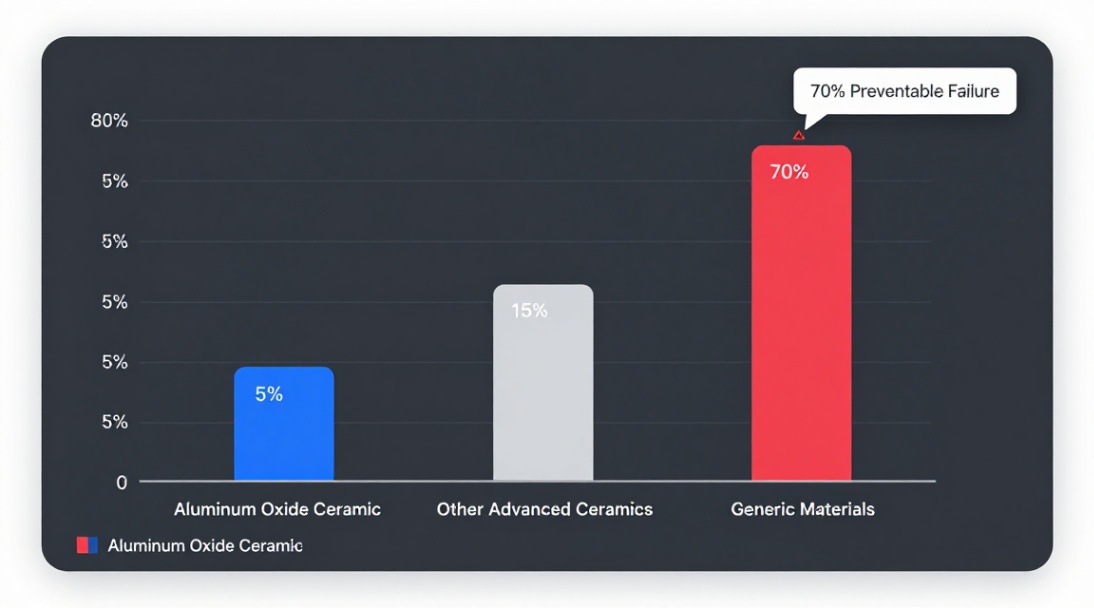
Every year, engineers and product designers specify materials they don’t truly understand, and the result is a staggering 70% rate of preventable component failure during the prototyping or early production phase. This isn’t just waste; it’s a fundamental design failure rooted in material myth. Let’s cut through the noise. This isn’t a generic overview. This is a linear, practical guide to selecting, specifying, and working with aluminum oxide ceramic. If you can’t define your need for it in specific, measurable terms, you are already making a mistake. It’s not a magical solution. It’s a tool. We are going to learn how to use that tool correctly.
The Core Question: Why Are You Here?
Before you even say the words ‘aluminum oxide’, you must define the problem. Not in vague terms like ‘I need something hard,’ but with ruthless specificity. What is the exact temperature your part will see? What chemical will splash on it for eight hours a day? What is the precise force, in Newtons, it must withstand? This is step one. Write it down. This definition will become your selection bible. Now, examine the core of what aluminum oxide ceramic is: a crystalline structure of aluminum and oxygen atoms fired into near-indestructibility. Its properties aren’t arbitrary; they are direct consequences of this atomic bond. High hardness. Excellent electrical insulation. Resistance to wear and corrosion. These are its native languages.
The Brutal Comparison: It’s Not The Only Player
Here is where most guides get soft. They’ll list properties. We will make a choice. Compare aluminum oxide ceramic against its peers using your written requirements. Need maximum toughness for a load-bearing implant? Zirconia wins, hands down, due to its transformational toughening. Our oxide friend is brittle by comparison. Working in a foundry with molten aluminium? Silicon carbide ceramic offers superior thermal shock resistance. Need to machine a complex shape? Certain grades of aluminum nitride ceramic or boron nitride ceramic might be easier. The point is this: if your requirements don’t explicitly call for the unique combination of high hardness, electrical insulation, and good corrosion resistance at a relatively low cost, you are likely in the wrong material family. This is not an insult to alumina; it’s a defense of good engineering.
The Manufacturing Reality: From Powder to Part
You’ve selected aluminum oxide ceramic. Good. Now understand how it’s made, because this dictates design. The journey begins with a fine, pure powder. This powder is formed-through pressing, casting, or extrusion-into a ‘green’ state. Then comes sintering. This is the alchemy. The part is heated to a temperature just below its melting point. The particles fuse, density increases dramatically, and the component shrinks. Predictably. This shrinkage, typically 15-20%, is non-negotiable. Your design must account for it in every dimension. Trying to hold a tolerance of ±0.1mm on a 100mm sintered part with a sloppy design is fantasy. Design for uniform wall thickness. Avoid sharp internal corners. This isn’t metal. It obeys the laws of ceramic physics.
The Critical Machining Steps: Don’t Fight Physics
You have a sintered blank. Now you need to make it fit. This is where projects die. You cannot machine aluminum oxide ceramic like steel. You must abrade it. Here is your step-by-step field manual.
Step 1: Diamond is your only tool. Forget high-speed steel. Forget carbide. They are useless. You require diamond-impregnated grinding wheels, diamond-coated drills, and diamond paste for finishing. Accept this cost upfront.
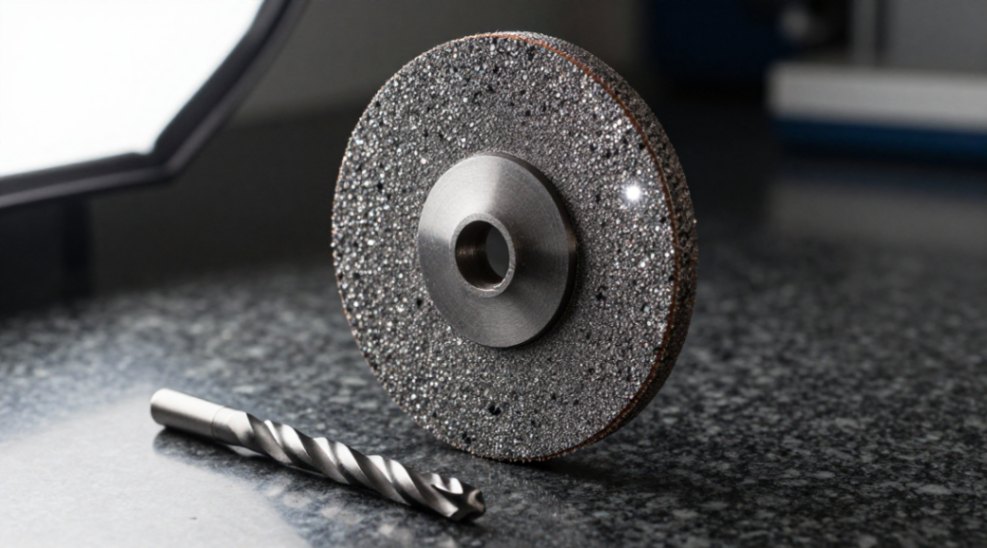
Step 2: Rigidity is everything. Your machine tool, fixture, and part must be locked down. Any vibration, any chatter, will instantly chip the ceramic’s edge or cause catastrophic fracture. This material has low fracture toughness. It propagates cracks, not bends.
Step 3: Manage heat and swarf. Use a continuous, copious flow of coolant. This serves two purposes: it prevents thermal shock from cracking the part, and it flushes away the abrasive ceramic dust (swarf) that will otherwise destroy your diamond tool’s bond and recut the part surface.
Step 4: Finishing is a science, not an art. After rough grinding, move to finer grit diamond tools. For a sealing surface, you might progress to diamond lapping. The final surface finish and tolerance are direct functions of your diamond grit sequence and machine stability. There is no shortcut.
From Theory to Application: Making the Decision
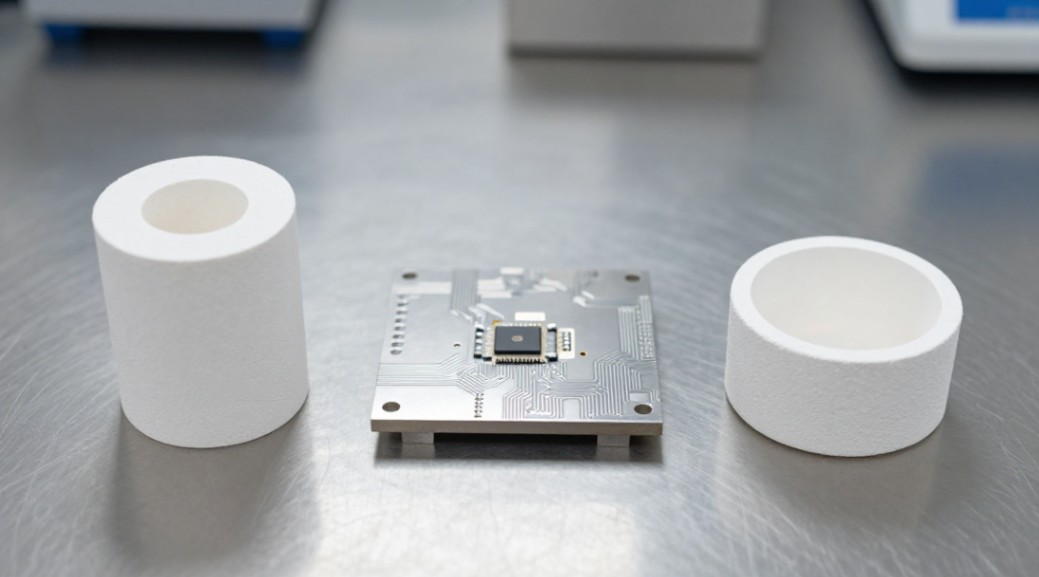
Now, with this gritty understanding, let’s place the material. Your written requirements should slot it neatly into its natural habitats. Is it a thread guide in a textile mill, wearing down millions of fibers? That’s a wear part, and alumina excels. Is it a substrate for a power electronics module, needing to insulate electricity while conducting heat away? That’s its home in electronics. Is it a lab crucible for fusing sodium carbonate? Its corrosion resistance to basic compounds makes it a candidate, though for extreme conditions, a special coating for boron nitride ceramic crucibles might be the ultimate solution. In biomedical applications, its biocompatibility makes it suitable for certain dental implants and orthopedic components, but remember-its brittleness confines it to specific, non-load-bearing roles. Zirconia handles the stress.
Your Next Move
You now have a logical framework. The industry sells you on dreams of a perfect material. I’ve given you the reality of a specific one. Your next step isn’t to buy something. It’s to test. Design a simple, functional prototype that mirrors your key requirement-be it wear, corrosion, or insulation. Source a sample of the appropriate aluminium oxide ceramic grade from a reputable supplier. Machine it using the diamond-process discipline outlined above. Then, put it through hell in your own lab. Does it survive? Does it fail? The data you generate from that test is worth more than every sales brochure ever written. That is how you master a material. Not by reading about it, but by challenging it on your own terms.
Suppiler
Synthetic-chemical focus on the research and development, production and sales of ceramic products, serving the electronics, ceramics, chemical and other industries. Since its establishment in 2015, the company has been committed to providing customers with the best products and services, and has become a leader in the industry through continuous technological innovation and strict quality management.
Our products includes but not limited to Aluminum Nitride, Aluminum Oxide, Boron Carbide, Boron Nitride, Ceramic Crucible, ect. If you are interested in any type of these, please feel free to contact us.