Next-Generation Ceramics: Unlocking Superior Properties for Industry

Aluminium oxide ceramic, commonly known as alumina, is a synthetic, polycrystalline ceramic material primarily composed of aluminum (Al) and oxygen (O) atoms in the form Al2O3. It stands as one of the most widely used and versatile technical ceramics due to its optimal balance of material properties and cost-effectiveness. Its foundational role is undeniable. Ask any seasoned materials engineer or production manager about a go-to ceramic for wear resistance, electrical insulation, or high-temperature stability, and alumina is invariably part of the conversation. On engineering forums, from Reddit to specialized industry platforms, user feedback consistently highlights its reliability. Common refrains are its “workhorse” status, predictable performance, and extensive supplier base, making it a first-choice material for prototyping and production alike. This narrative will explore its chemical essence, the properties that define its utility, the processes that shape it, and its indispensable applications across modern industry.
The Chemical and Crystalline Foundation of Alumina
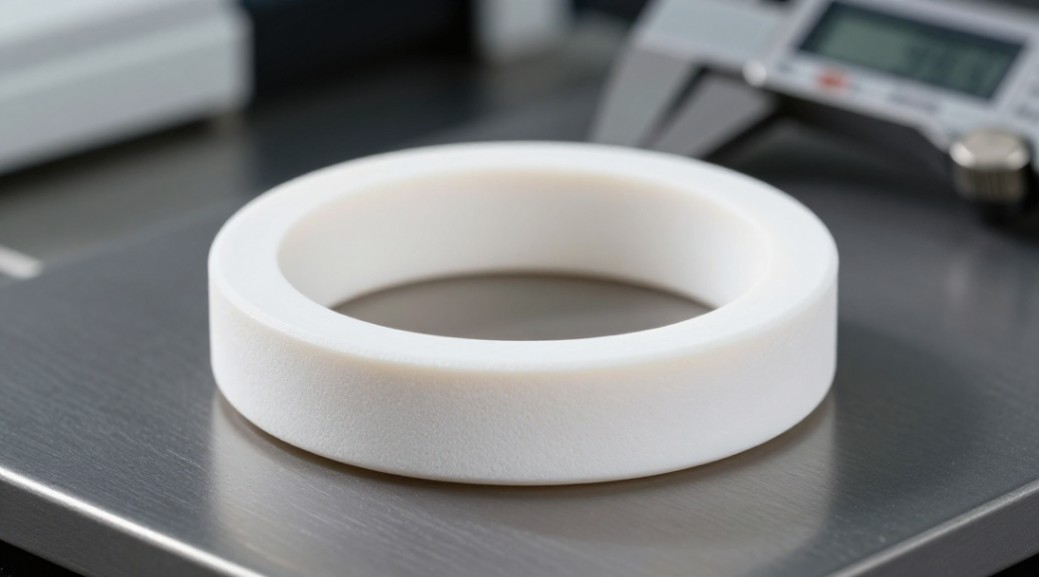
At its core, aluminum oxide ceramic begins as a simple chemical compound, but its performance is dictated by its crystalline structure. The raw material, aluminum oxide powder, typically derives from refining bauxite ore via the Bayer process. The transformation from powder to a dense, useful ceramic hinges on sintering, a high-temperature process that fuses particles. The most stable and prevalent crystalline form is the alpha (α) phase, a hexagonal close-packed structure responsible for the material’s signature hardness and chemical inertness. A less common gamma (γ) phase exists, but it is metastable and converts to alpha at elevated temperatures. It is this alpha-alumina structure that engineers rely upon. This fundamental difference in atomic arrangement is a primary reason why alumina outperforms other ceramics like mullite ceramic or fused quartz ceramic in mechanical strength and wear applications, while offering distinct advantages and trade-offs compared to alternatives like zirconia (higher toughness) or silicon nitride ceramic (higher fracture toughness and thermal shock resistance).
The Defining Properties of a Workhorse Material
Aluminum oxide ceramic earns its reputation through a compelling suite of properties. Its hardness, typically measured at 9 on the Mohs scale (just below diamond), translates directly into exceptional wear resistance. This makes it ideal for parts like pump seals, liners, and grinding media that face abrasive slurries or particulate matter. Its high thermal conductivity, while not matching that of aluminum nitride ceramic or silicon carbide ceramic, is sufficient for many electrical and thermal management roles. More critically, it maintains its strength and shape at temperatures exceeding 1500°C, a domain where metals fail. Electrically, it is an outstanding insulator with high dielectric strength, forming the backbone of substrates for microelectronics and spark plug insulators. For applications requiring electrical isolation in harsh environments, few materials offer such a robust combination. However, its moderate fracture toughness is a known limitation. This is where material selection becomes critical. For high-impact applications, engineers might specify boron carbide ceramic for ultra-lightweight armor or advanced grades of silicon carbide-bonded silicon nitride ceramics for superior thermal shock resistance in extreme environments.
Manufacturing: From Powder to Precision Component
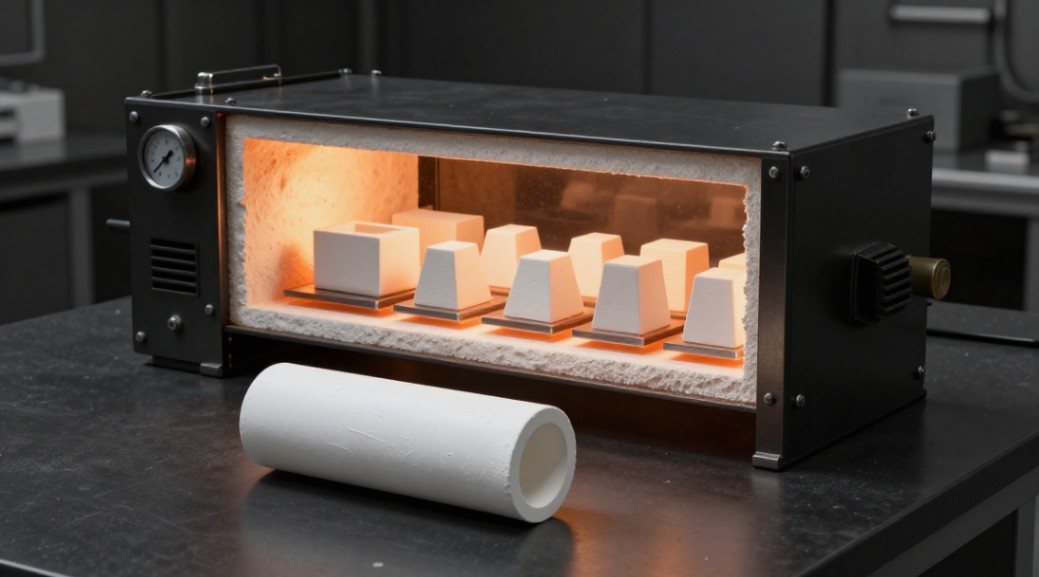
The journey from raw powder to a finished aluminium oxide ceramic component is a testament to process control. The primary method is sintering, where shaped powder compacts are fired at temperatures often above 1600°C. The quality of the starting powder, its particle size distribution, and the sintering atmosphere are meticulously controlled to achieve the desired density and microstructure. Purity grades range from 85% to 99.9% alumina, with higher purity correlating to better properties like electrical resistivity and corrosion resistance but often at increased cost and slightly reduced mechanical strength. Post-sintering, components undergo precise finishing. Diamond grinding, lapping, and polishing are essential to achieve the tight tolerances and specific surface finishes required for sealing faces or biomedical implants. Leading manufacturers offer a vast array of standard and custom product forms: tubes, rods, plates, complex-machined components, and thin substrates.
Applications Spanning Industry and Innovation
The applications of aluminum oxide ceramic are as diverse as modern technology itself. In heavy industry, it is the material of choice for wear parts-nozzles, bearings, thread guides-subjected to relentless abrasion. Its electrical properties make it the default substrate material for thick- and thin-film circuits in everything from consumer electronics to aerospace systems. In the field of protection, alumina tiles are a key component in composite body armor and vehicle armor systems, leveraging its hardness to disrupt projectile penetration. The biomedical field utilizes its biocompatibility in the form of dental implants, bone screws, and joint prosthetics, where its inert nature within the body is paramount. A niche but critical application involves using specialized coatings, analogous to a special coating for boron nitride ceramic crucibles, to enhance alumina’s performance in specific corrosive molten metal environments.
Selecting the Right Ceramic for the Job
Successful implementation requires rigorous material selection. Aluminum oxide ceramic is not a universal solution. The choice between it and another ceramic hinges on a detailed analysis of the operating environment. Is the primary requirement wear resistance, thermal conductivity, dielectric strength, or chemical inertness? What are the mechanical load types-constant compression, impact, or cyclic fatigue? What is the temperature range and atmosphere? For instance, in high-temperature, high-stress applications with oxidizing atmospheres, reaction-sintered silicon carbide ceramics or pressureless sintered silicon carbide ceramics might be superior. For ultra-high-temperature furnaces, recrystallized silicon carbide ceramics or boron nitride ceramic may be specified. The decision matrix must also factor in manufacturability, lead time, and total cost.
The Future and a Clear Path Forward
The evolution of aluminum oxide ceramic continues through advanced composites and nanostructuring. Researchers are incorporating secondary phases like zirconia or silicon carbide ceramic particles to create alumina matrix composites with enhanced toughness and wear properties. These developments aim to push the performance envelope further. For engineers, procurement specialists, and designers facing a material selection challenge, the path forward is clear. Start with alumina as your baseline due to its proven performance, extensive data, and commercial availability. Prototype with it. Test it. Its properties are well-documented, and its behavior is predictable. When your application demands exceed alumina’s capabilities-be it higher thermal conductivity, greater fracture toughness, or lower density-then systematically evaluate the more specialized ceramics like aluminum nitride, silicon nitride, or boron carbide. To begin this process with confidence, consult with an established technical ceramics manufacturer or distributor. Request material datasheets, discuss your application parameters in detail, and order sample components for evaluation. The right material decision starts with understanding the fundamental capabilities of the industry’s most reliable ceramic: aluminium oxide.
Suppiler
Synthetic-chemical focus on the research and development, production and sales of ceramic products, serving the electronics, ceramics, chemical and other industries. Since its establishment in 2015, the company has been committed to providing customers with the best products and services, and has become a leader in the industry through continuous technological innovation and strict quality management.
Our products includes but not limited to Aluminum Nitride, Aluminum Oxide, Boron Carbide, Boron Nitride, Ceramic Crucible, ect. If you are interested in any type of these, please feel free to contact us.