Next-Generation Ceramics: Unlocking Superior Properties for Industry

What is Aluminum Oxide Ceramic?
One of the most produced advanced ceramics globally, aluminum oxide ceramic (Al2O3) forms the backbone of modern electronics, manufacturing, and medicine. This statistic is counterintuitive-most people associate ceramics with art or dishes, not with the precise components enabling semiconductor fabrication or life-saving joint replacements. Alumina, as it is commonly called, is a synthetically engineered material characterized by ionic bonds between aluminum and oxygen atoms. Engineers achieve its remarkable properties through controlled processing of raw mineral bauxite, resulting in a dense, polycrystalline structure. Its definition extends beyond simple chemical composition to encompass a family of technical ceramics defined by purity, microstructure, and performance grades.
Core Properties and Manufacturing
Key advantages define alumina’s utility. Its Mohs hardness of 9 is second only to diamond and boron carbide, granting exceptional wear resistance. It maintains structural integrity at temperatures exceeding 1700°C, a testament to its thermal stability. The material also serves as an excellent electrical insulator, even at high temperatures, with a volume resistivity exceeding 10^14 Ω·cm.
Manufacturing processes directly dictate these properties. Powder preparation, shaping (via pressing, casting, or extrusion), and high-temperature sintering are critical. Sintering densifies the shaped powder compact, eliminating porosity and developing the final microstructure. Post-sintering finishing, such as grinding with diamond tools or laser machining, achieves the tight tolerances required for precision components.
Grades, Purity, and Material Selection
Not all alumina is equal. Purity level is the primary differentiator, directly influencing cost and performance. Selecting the correct grade requires a clear analysis of application demands against budget constraints.
The table below compares common aluminum oxide ceramic grades, illustrating the trade-offs engineers must evaluate.
Alumina Grade Comparison
| Purity | Key Characteristics | Typical Applications | Cost Factor |
|---|---|---|---|
| 85% – 94% Al2O3 | Good mechanical strength, lower cost, often contains silicate glass phase. | General industrial wear parts, thread guides, textile components. | Low |
| 96% Al2O3 | Excellent balance of properties; high strength, good hardness, and electrical insulation. | Seals, pump plungers, insulators, ballistic armor tiles. | Medium |
| 99.5% – 99.9% Al2O3 | Superior hardness, wear resistance, thermal conductivity (~30 W/mK), and highest electrical resistivity. | Semiconductor processing components, high-performance substrates, critical wear plates, advanced cutting tools. | High |
Material selection hinges on several factors. Mechanical load, thermal shock, required surface finish, and chemical exposure all dictate the optimal ceramic. While 96% alumina suits most mechanical applications, 99.5% purity is non-negotiable for high-frequency electronic substrates where signal loss must be minimized. For severe thermal shock, materials like silicon nitride ceramic or aluminum nitride ceramic may be superior despite higher cost.
Industrial and Biomedical Applications
Alumina’s versatility stems from its property portfolio. In electronics, its electrical insulation and thermal management capabilities make it ideal for substrates and insulating housings. The metallization of alumina allows for robust electronic packaging.
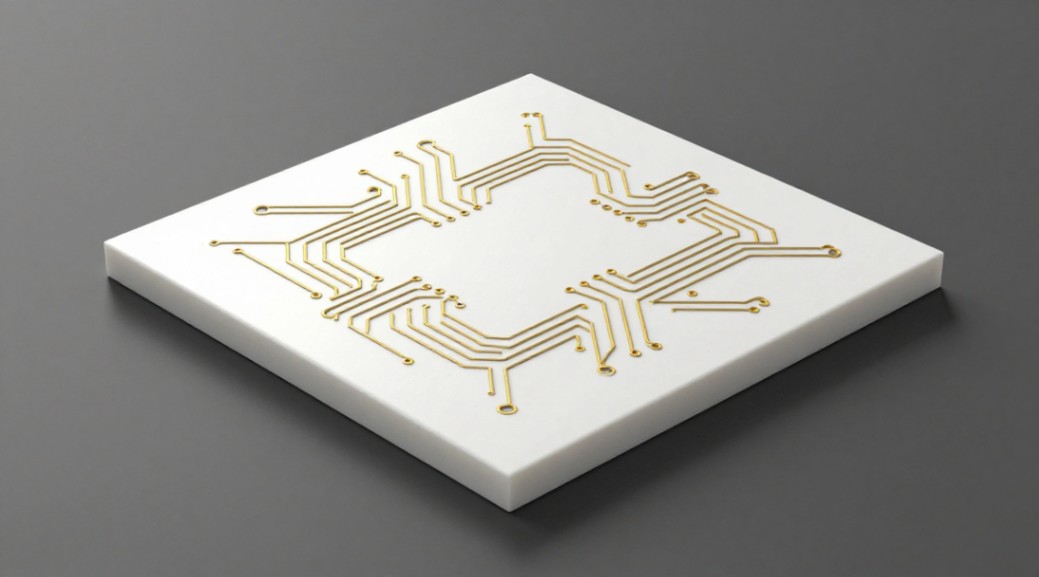
Mechanical applications leverage its hardness. It is fundamental in abrasives for grinding and sanding. As an insert in cutting tools, alumina-based composites machine cast iron and hardened steels effectively. Pump seals, wear plates, and wire drawing dies all benefit from its wear resistance.
A critical domain is biomedicine. High-purity, bioinert alumina is used in dental implants, hip joint ball heads, and knee replacements. Its biocompatibility and low friction against polyethylene provide long-term implant success. This application demands ultra-high purity (99.9%+) and flawless surface finishing to prevent biological responses.
Comparison with Other Technical Ceramics
Alumina is rarely the only option. Understanding its position within the ceramic family is essential for correct specification. The following table provides a comparative overview.
Alumina vs. Other Advanced Ceramics
| Material | Key Advantages vs. Alumina | Key Disadvantages vs. Alumina | Primary Use Cases |
|---|---|---|---|
| Zirconia (ZrO2) | Higher fracture toughness, superior flexural strength. | Lower hardness, higher raw material cost. | Dental crowns, hip joint sockets, precision knife blades. |
| Silicon Carbide (SiC) | Higher thermal conductivity, better thermal shock resistance, extreme hardness. | More difficult to machine, generally more expensive. | High-temperature kiln furniture, abrasives, wear nozzles, reaction-sintered silicon carbide ceramics for armor. |
| Aluminum Nitride (AlN) | Far higher thermal conductivity (150-180 W/mK), closer CTE to silicon. | Lower mechanical strength, sensitive to moisture degradation. | High-power electronic substrates and heat sinks. |
| Boron Nitride (hBN) | Excellent lubricity, high thermal conductivity, easy machinability. | Lower mechanical strength, higher cost. | Release agents, high-temperature lubricants, often used with a special coating for boron nitride ceramic crucibles. |
Limitations and Future Outlook
Despite its strengths, alumina has limitations. Its inherent brittleness requires careful design to avoid stress concentrations. It exhibits lower thermal shock resistance compared to silicon carbide or silicon nitride. While cost-effective for technical ceramics, high-purity grades and complex machining increase expenses significantly.
Future trends focus on composites and hybrids. Alumina-titanium carbide (Al2O3-TiC) composites enhance toughness for cutting tools. Alumina-zirconia composites push the boundaries of biomedical implants. Nanostructured alumina grades offer improved mechanical properties. The integration of aluminum oxide ceramic into multi-material systems, where it performs a specific function like electrical isolation or wear resistance, represents a growing engineering practice.
Engineering with Aluminum Oxide Ceramic
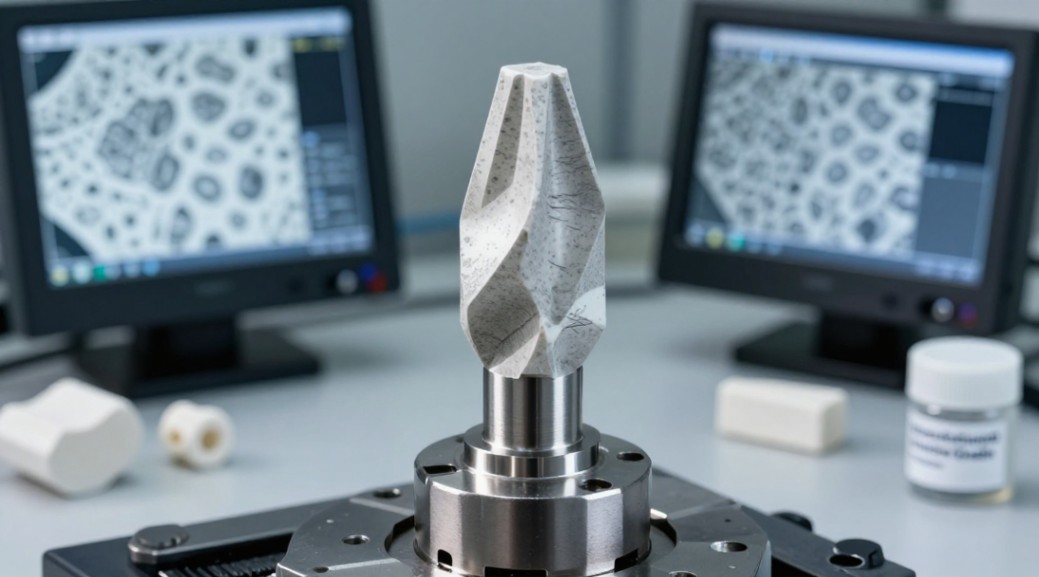
Specifying alumina successfully requires a systematic approach. First, define the operational environment: mechanical stress, temperature cycle, and chemical media. Second, determine the non-negotiable property, be it wear rate, dielectric constant, or biocompatibility. Third, select the purity grade that meets this requirement at the lowest viable cost. Finally, collaborate with a specialist manufacturer early in the design phase. Their expertise in shaping, sintering, and finishing-such as achieving a specific surface roughness on a seal face or applying a hermetic metallization layer for an electronic package-is critical. For applications where standard alumina reaches its limits, exploring advanced composites or alternative ceramics like mullite or quartz ceramic becomes the logical next step in the material selection process.
Suppiler
Synthetic-chemical focus on the research and development, production and sales of ceramic products, serving the electronics, ceramics, chemical and other industries. Since its establishment in 2015, the company has been committed to providing customers with the best products and services, and has become a leader in the industry through continuous technological innovation and strict quality management.
Our products includes but not limited to Aluminum Nitride, Aluminum Oxide, Boron Carbide, Boron Nitride, Ceramic Crucible, ect. If you are interested in any type of these, please feel free to contact us.