Next-Generation Ceramics: Unlocking Superior Properties for Industry

What is Aluminum Oxide Ceramic Really Capable Of?
Did you know that over 80% of advanced technical ceramics used globally are based on aluminum oxide? It’s not the exotic newcomer. It’s the workhorse. But here’s the surprising part: most engineers only tap into a fraction of its potential because they get lost in generic datasheets. We’re going to fix that. Think of this as your no-fluff, practical manual for getting results with Al2O3 ceramic.
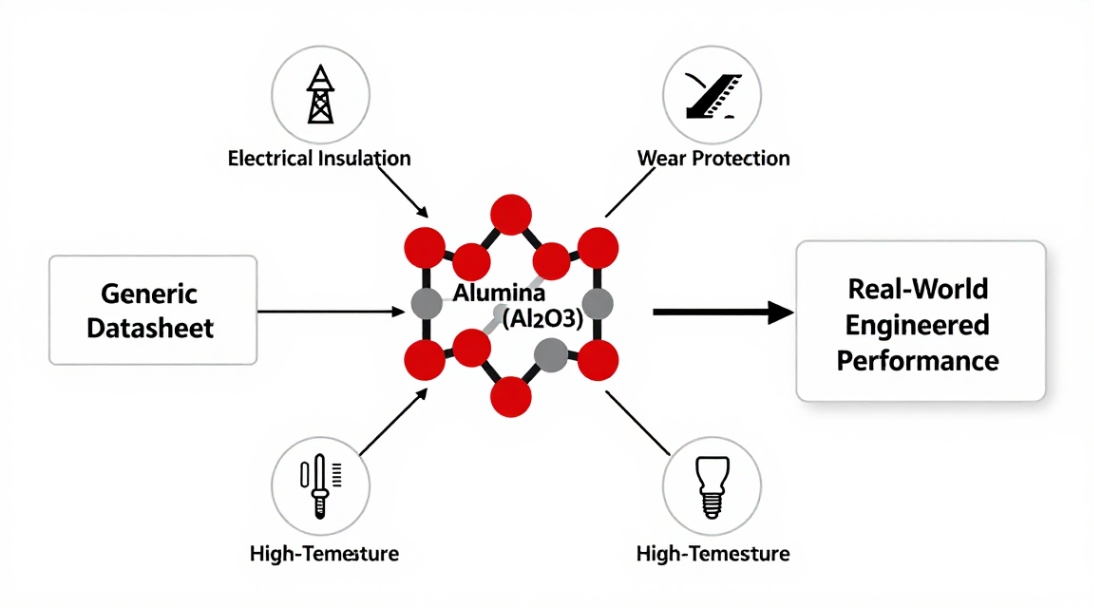
Q: I need electrical insulation that also handles heat and wear. Is aluminum oxide ceramic the right choice?
In most cases, yes. Aluminum oxide ceramic delivers a powerful combination you won’t find in plastics or many metals. It offers excellent dielectric strength, high-temperature stability, and impressive resistance to abrasion. For instance, when users on engineering forums like Reddit discuss reliable substrates for high-power circuits or insulating feedthroughs in furnaces, Al2O3 is the frequent recommendation. It’s the trusted default for a reason.
Q: How do I actually choose the right grade? What’s the difference between 96% and 99.5% Al2O3?
This is the critical first step that many miss. Choosing the wrong grade leads to premature failure or overspending.
Step One: Define Your Primary Enemy. Is it wear? Corrosion? Electrical breakdown? Thermal shock? For brutal abrasion, prioritize density and hardness, which often means a higher purity grade like 99.5% Al2O3. For many electrical insulators where cost is key, 96% Alumina is the standard workhorse.
Step Two: Match the Property to the Grade. Higher purity (99.5%+) means better wear resistance, higher operating temperature (up to 1700°C), and superior dielectric properties. But it’s more expensive and can be slightly more brittle. The 96% grade offers a great balance of properties at a lower cost, with good mechanical strength and electrical insulation. It’s perfect for seals, nozzles, and many insulator bodies.
Q: How does aluminium oxide ceramic compare to other materials like silicon nitride or zirconia?
Don’t get swayed by the “latest” material. Each has its arena. Alumina is your all-rounder champion for hardness, wear, and electrical insulation at a reasonable cost. Silicon nitride ceramic and silicon carbide ceramic are tougher and have better thermal shock resistance, making them ideal for extreme cycling conditions. Zirconia offers far higher fracture toughness (it’s less brittle) but can be costlier and isn’t as hard. Choose alumina when you need a proven, cost-effective shield against abrasion, corrosion, and electrical current.
Q: What are the key applications I should consider it for?
The list is vast, but let’s focus on where it truly shines.
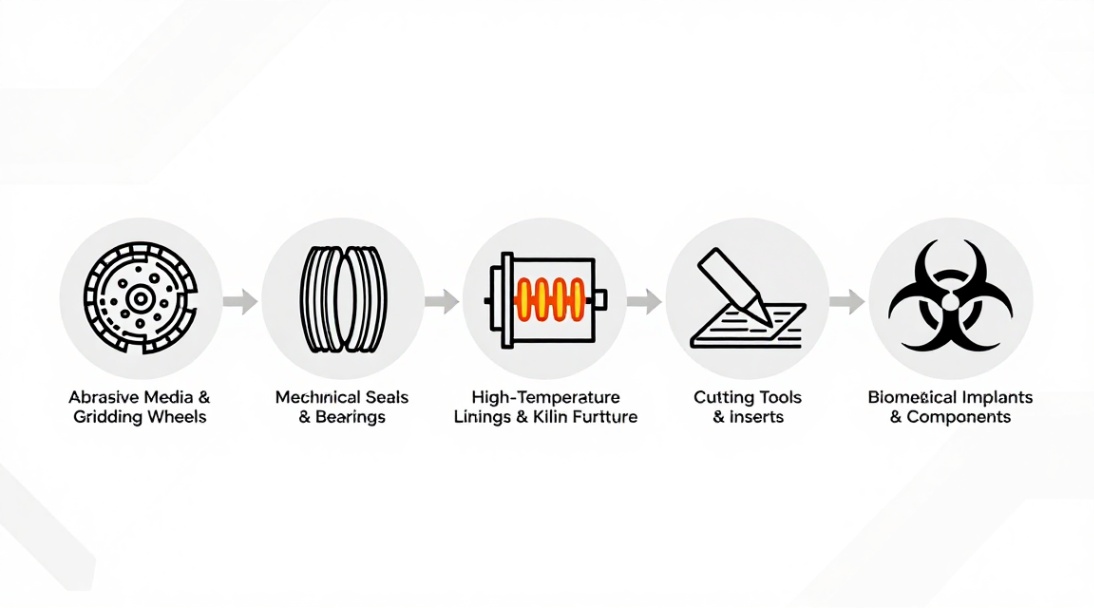
- Electronics & Electrical: Substrates for circuits, insulating housings, spark plug insulators, and critical parts in semiconductor manufacturing equipment.
- Mechanical Systems: Pump seals, valve components, wear plates, thread guides, and ballistics armor. Its hardness outperforms most metals in abrasive slurry environments.
- Medical & Biomedical: Used in certain implants, surgical tool tips, and dental components due to its bio-inertness and ability to be highly polished.
Q: Can you explain the manufacturing process simply? Why does it matter to me as a designer?
Absolutely. How it’s made directly impacts your part’s performance. It starts with fine, pure aluminum oxide powder. This powder is shaped-through pressing, casting, or injection molding-into a “green” body. Then comes the magic: sintering. The part is fired at temperatures often exceeding 1600°C. The particles fuse together without melting, creating a dense, polycrystalline structure. This process is why you can achieve complex net-shape or near-net-shape parts with exceptional properties. Understanding this helps you discuss tolerances, wall thicknesses, and design limitations with your supplier.
Q: I’m dealing with extreme temperatures. What are the limits?
Alumina excels here. It maintains its strength and shape up to about 1700°C in oxidizing atmospheres. While newer materials like hafnium-tantalum high-entropy oxides are pushing lab records above 3000°C, for over 90% of industrial applications, alumina’s range is more than sufficient and far more economical. Its stability is why it’s the go-to for furnace linings, thermocouple tubes, and kiln furniture.
Your Action Plan for Specifying Alumina Ceramics
The theory is solid. Now, let’s put it into practice.
Step One: List Your Non-Negotiables. Write down the top three property requirements (e.g., hardness > 1500 HV, max operating temp 1500°C, dielectric strength > 15 kV/mm).
Step Two: Contact a Specialist Fabricator Early. Don’t just buy a standard disc. The best results come from collaborating with an engineer who understands powder processing and sintering. They can advise on grain size, doping for specific properties, and whether a special coating (like for boron nitride ceramic crucibles) could enhance performance. Many top fabricators offer prototyping services to test a design before full commitment.
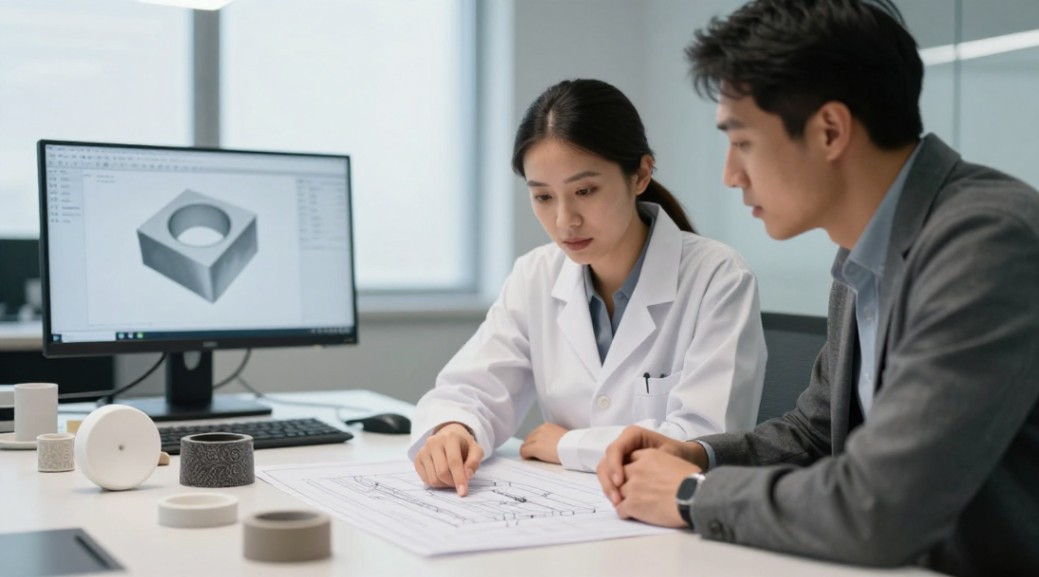
Step Three: Request Real Data. Ask for test reports or data sheets specific to their process. How do their pressureless sintered silicon carbide ceramics compare to their alumina for your specific wear application? A good partner will guide you, often suggesting alumina when it’s the most reliable and cost-effective solution, which it often is. Start that conversation with a clear set of requirements, and you’ll unlock the true, problem-solving power of this foundational material.
Suppiler
Synthetic-chemical focus on the research and development, production and sales of ceramic products, serving the electronics, ceramics, chemical and other industries. Since its establishment in 2015, the company has been committed to providing customers with the best products and services, and has become a leader in the industry through continuous technological innovation and strict quality management.
Our products includes but not limited to Aluminum Nitride, Aluminum Oxide, Boron Carbide, Boron Nitride, Ceramic Crucible, ect. If you are interested in any type of these, please feel free to contact us.