Next-Generation Ceramics: Unlocking Superior Properties for Industry

The Unvarnished Definition of Aluminum Oxide Ceramic
Aluminium oxide ceramic (Al2O3) is a synthetic, polycrystalline ceramic material. Forget the marketing fluff. It’s an industrial workhorse chosen for its high hardness and low cost, not because it’s the perfect solution. Its composition is simple: aluminum and oxygen atoms bound in a specific crystalline structure. The purity level-typically 96% or 99.5% alumina-dictates nearly everything about its performance. This isn’t magic. It’s basic, reliable, and often over-applied.
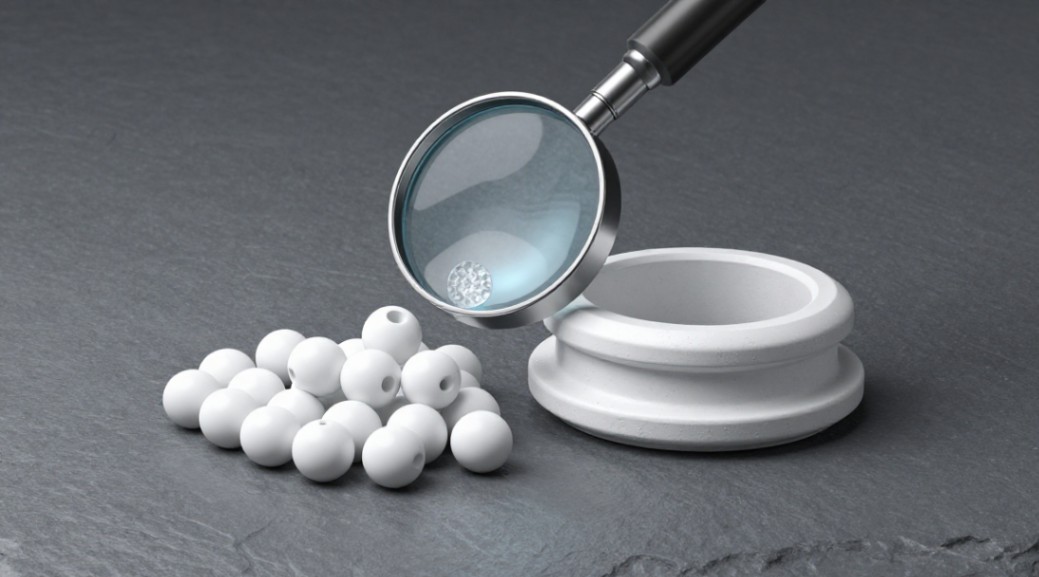
Core Properties: The Good, The Bad, The Misunderstood
Engineers default to Al2O3 because the datasheet looks solid. Let’s dissect reality.
1. What It Gets Right (The Short List)
- Extreme Hardness (9 on Mohs scale): It resists abrasion better than most metals. This is its primary selling point.
- Excellent Wear Resistance: For sliding or abrasive environments, few materials at its price point compete.
- Superior Electrical Insulation: High dielectric strength makes it ideal for insulators, substrates, and spark plugs.
- Good Chemical Inertness: It laughs at most acids and solvents. Corrosion is rarely a concern.
- High-Temperature Stability: Usable up to 1700°C. It won’t melt or decompose in most furnaces.
2. Where It Falls Flat (The Reality Check)
- Brittle by Nature: It has virtually no ductility. Impact resistance is poor. A sharp blow causes catastrophic failure.
- Thermal Conductivity is Mediocre: At ~30 W/mK for 96% grade, it’s a poor conductor compared to aluminum nitride ceramic (150-200 W/mK) or even silicon carbide ceramic.
- Low Fracture Toughness: It cracks easily under stress concentrations. Design requires radical simplification.
- Heavy: Its density is high. Where weight matters, it’s the wrong choice.
The Purity Paradox: 96% vs. 99.5% Alumina
The industry’s favorite grades create a false dichotomy.
- 96% Al2O3: Contains glassy silicate phases. Cheaper. Slightly tougher but weaker at high temperatures. The ‘general purpose’ grade. Use it for wear plates, thread guides, and insulators where cost drives the decision.
- 99.5% Al2O3: Higher purity. Better hardness, corrosion resistance, and maximum service temperature. More expensive and more brittle. Necessary for semiconductor components, advanced furnace linings, and critical labware.
The truth? For many demanding thermal or mechanical applications, you’ve already outgrown alumina. Look at silicon nitride ceramic for strength and thermal shock, or boron carbide ceramic for extreme hardness.
Blunt Application Guide: Where to Use It (And Where to Avoid It)
Stop using alumina as a default. Match the property to the need.
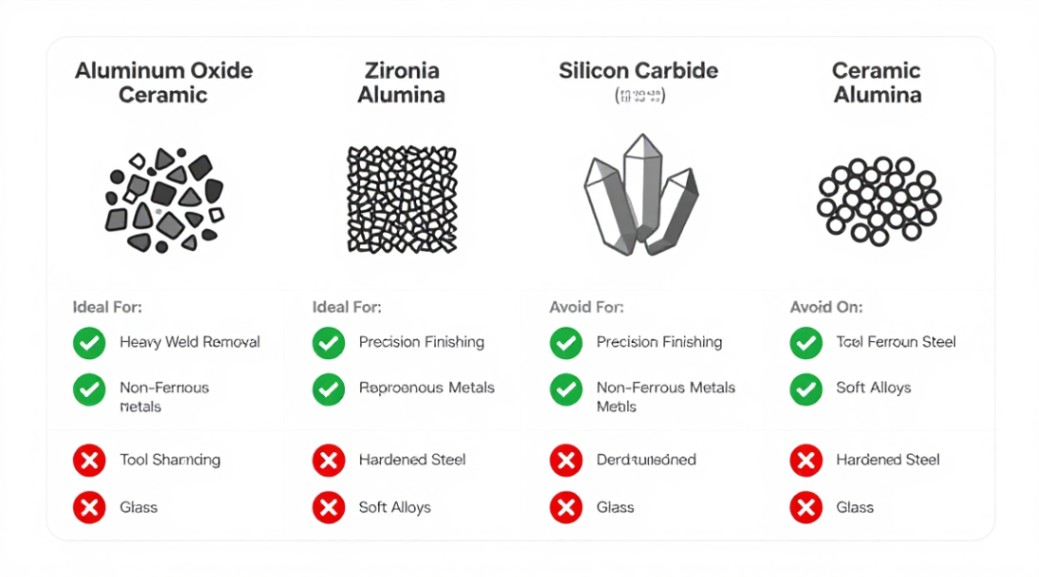
Use Aluminum Oxide Ceramic For:
- Wear Components: Pump seals, cutting tool inserts, blasting nozzles. It excels here.
- Electrical Insulators: Substrates, coil cores, high-voltage bushings. A classic, proven use.
- Corrosion-Resistant Parts: Lab equipment, chemical process tubes.
- Thermal Components (Low Stress): Kiln furniture, furnace tubes-if thermal shock is minimal.
Immediately Avoid It For:
- High-Thermal-Shock Environments: Use mullite ceramic or silicon carbide ceramic instead.
- Applications Requiring High Thermal Conductivity: Switch to aluminum nitride ceramic for electronics cooling.
- Impact or High Tensile Load Scenarios: Consider zirconia or engineered composites.
- Ultra-High Temperature >1800°C: Materials like boron nitride ceramic with a special coating for boron nitride ceramic crucibles are superior.
Manufacturing & Selection: Cutting Through the Noise
It comes in pressed, extruded, and isostatically pressed forms. The process dictates cost and property limits. When selecting, ask these questions in order:
- What is the primary failure mode? (Wear? Crack? Corrosion?)
- What is the maximum operating temperature AND rate of temperature change?
- What are the electrical requirements? (Insulate or conduct?)
- What is the budget? (Alumina is cheap. Advanced ceramics are not.)
If your answers point to wear, insulation, and low cost, alumina works. If thermal performance, toughness, or extreme conditions dominate, you need silicon carbide-bonded silicon nitride ceramics, reaction-sintered silicon carbide ceramics, or other advanced solutions.
Final Verdict & The Path Forward
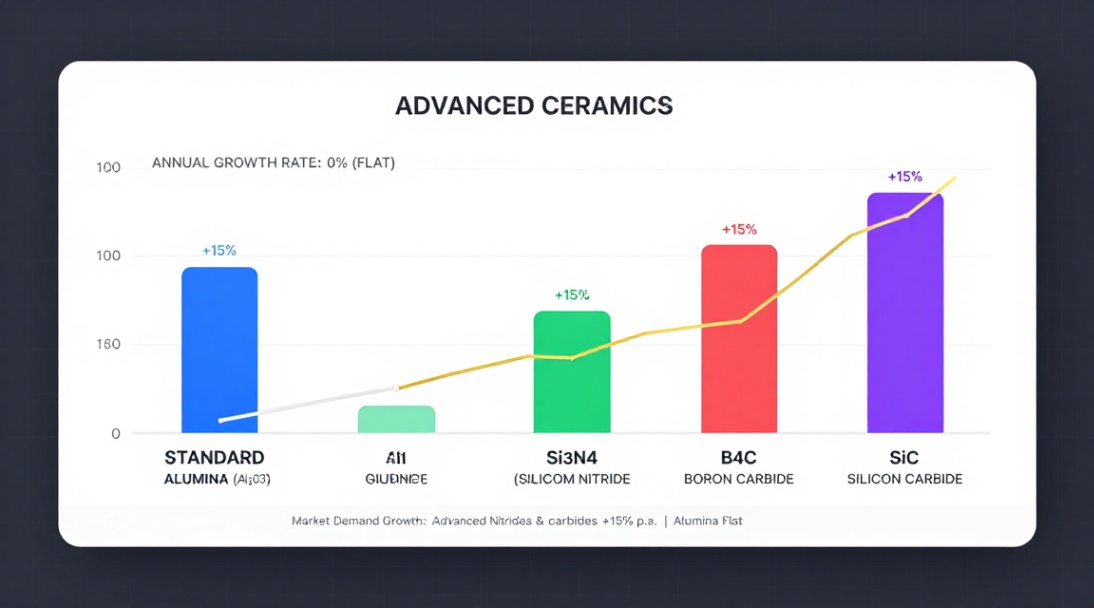
Aluminium oxide ceramic is a foundational material, not a frontier one. Its advantages are proven but limited. For routine abrasion and insulation, it’s unbeatable on cost. For next-generation performance in thermal management, structural integrity, or extreme environments, you must look beyond alumina. The data from leading technical ceramics consortiums shows a 15% annual growth in demand for advanced nitrides and carbides, while standard alumina growth is flat. The market is speaking.
Stop guessing with material selection. Your project’s failure point is likely your component material. If this analysis resonates, you’re ready for a precise engineering solution. Contact our materials engineering team now for a formal consultation. We will audit your application and prescribe the correct ceramic-whether it’s alumina, zirconia, or a specialized silicon nitride-based on hard data, not habit. Submit your specs today.
Suppiler
Synthetic-chemical focus on the research and development, production and sales of ceramic products, serving the electronics, ceramics, chemical and other industries. Since its establishment in 2015, the company has been committed to providing customers with the best products and services, and has become a leader in the industry through continuous technological innovation and strict quality management.
Our products includes but not limited to Aluminum Nitride, Aluminum Oxide, Boron Carbide, Boron Nitride, Ceramic Crucible, ect. If you are interested in any type of these, please feel free to contact us.