Next-Generation Ceramics: Unlocking Superior Properties for Industry

Is Your Industrial Equipment Failing Prematurely?
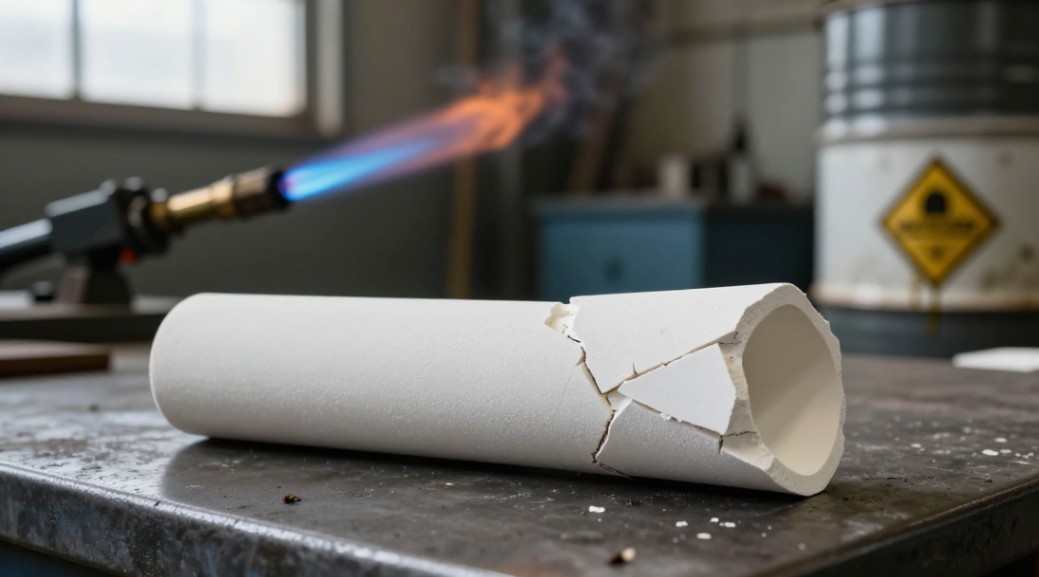
You selected a component for its hardness, but it shattered under thermal shock. You needed reliable electrical insulation, but contamination caused a short. The material you chose couldn’t withstand the chemical attack. If you’ve faced these frustrations, the problem often lies not in ceramics as a class, but in the specific selection and understanding of the workhorse material: Aluminium Oxide Ceramic (Al2O3). This guide cuts through the noise.
What is Aluminium Oxide Ceramic, and Why Does Purity Matter?
Aluminum oxide ceramic, or alumina, is a material primarily composed of aluminum and oxygen (Al2O3). Its performance directly correlates with purity. Lower purity grades (e.g., 85%, 95% Al2O3) incorporate silicate glass phases that act as a sintering aid. This lowers the sintering temperature and cost but sacrifices properties like hardness, thermal conductivity, and corrosion resistance. High-purity alumina (99.5% Al2O3 and above) approaches the theoretical limits of the material, offering superior performance for demanding applications. The choice isn’t about ‘good’ or ‘bad’; it’s about aligning cost with functional requirements.
How Do I Choose the Right Aluminum Oxide Ceramic Grade?
Match the grade to the primary stressor in your application. This decision framework simplifies the selection process.
For Maximum Wear Resistance and Hardness
Choose high-purity (99.5%+) alumina. The reduced glassy phase minimizes plastic deformation and grain boundary pull-out, the primary wear mechanisms. This makes it ideal for precision bearing balls, wear plates, and thread guides where dimensional stability under abrasion is non-negotiable.
For High-Volume, Cost-Sensitive Components
Grades like 92% or 95% Al2O3 are often suitable. They provide excellent electrical insulation and good mechanical strength for substrates, insulators, and faucet seals. The trade-off in ultimate performance is acceptable given the significant cost reduction in mass production via dry pressing.
When Electrical Insulation at High Temperatures is Critical
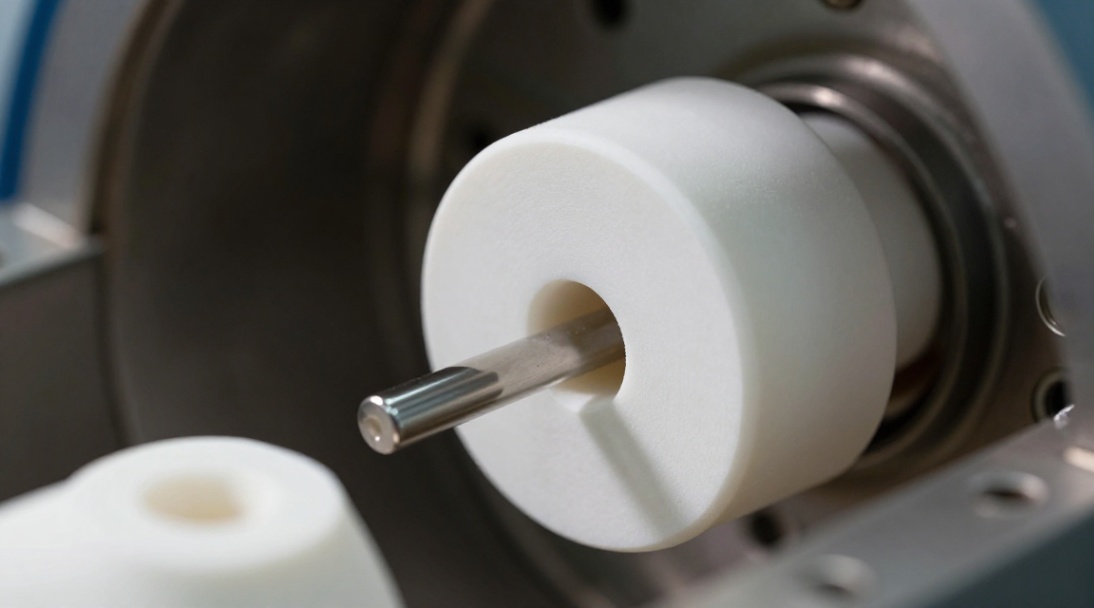
Again, high-purity alumina is mandatory. Impurities increase electrical conductivity, especially at elevated temperatures. For vacuum chamber feedthroughs, heater substrates, and spark plug insulators, specifying 99.5% Al2O3 ensures stable dielectric strength.
Aluminum Oxide vs. Other Engineering Ceramics: A Clear Comparison
Alumina isn’t always the answer. Knowing its position relative to peers prevents misapplication.
- Versus Zirconia (ZrO2): Zirconia offers vastly superior fracture toughness (5-10 MPa·m¹/² vs. 3-4 for alumina), making it better for impact resistance. However, alumina typically wins on hardness, wear resistance, and cost. Use zirconia for blades or parts subject to mechanical shock; use alumina for liners facing constant abrasion.
- Versus Silicon Nitride (Si3N4): Silicon nitride ceramic provides exceptional thermal shock resistance and fracture toughness, ideal for high-performance bearings and turbine components. Alumina provides better corrosion resistance against certain molten metals and is more cost-effective for static wear parts.
- Versus Silicon Carbide (SiC): Silicon carbide ceramic has higher thermal conductivity and retains strength at extreme temperatures (>1500°C). Alumina softens at lower temperatures. For advanced kiln furniture or heat exchangers, SiC is superior. For electrical insulation below 1500°C, alumina is often the pragmatic choice.
What Are the Critical Design and Machining Considerations?
Designing with alumina requires respecting its brittle nature. Avoid sharp internal corners; use generous radii to reduce stress concentration. Tolerances should account for sintering shrinkage, which is predictable but must be calibrated for each part geometry and powder batch. Machining is almost exclusively done with diamond grinding tools in the sintered state. It is a slow, precise process. Attempting to machine as-fired surfaces to ultra-fine finishes significantly increases cost. Specifying the appropriate as-fired surface finish (e.g., Ra 0.8µm vs. Ra 0.1µm) based on function can reduce part cost by 30% or more. For complex geometries, methods like isostatic pressing or injection molding may be necessary, though tooling costs rise.
What Does the Future Hold for Aluminum Oxide Ceramic?
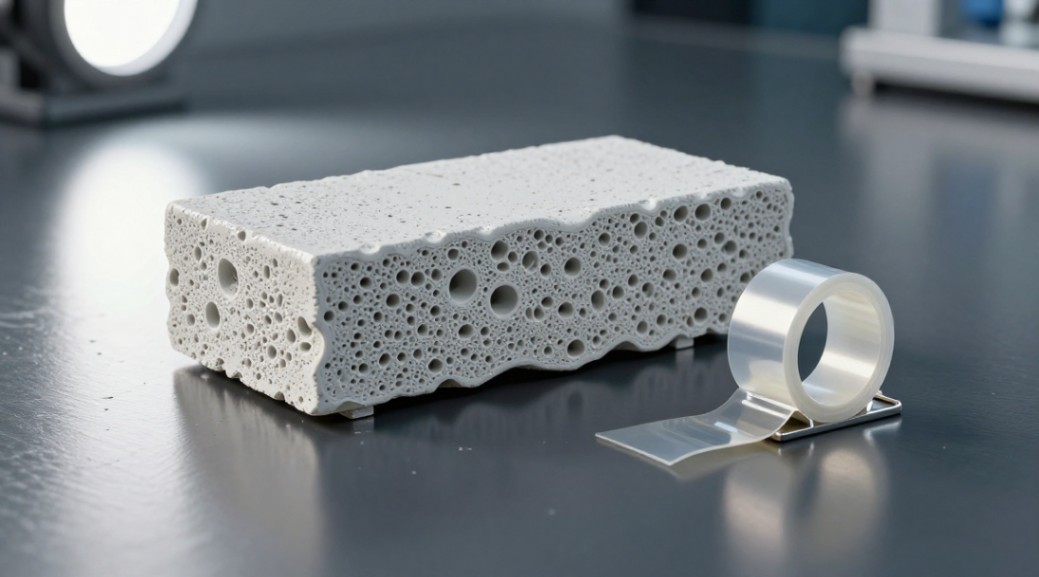
The trend is toward engineered microstructures. While new materials like Aluminium Nitride (for thermal conductivity) and Boron Carbide (for extreme hardness) gain ground, alumina development focuses on reliability and refinement. Research from institutions like the Fraunhofer IKTS highlights developments in tape casting for ultra-thin, flexible substrates and the optimization of grain boundary engineering to improve long-term stability in humid environments. The goal isn’t to replace alumina but to extend its performance envelope, ensuring its continued dominance in established applications while capturing new ones in medical implants and advanced sensors.
Making the Informed Material Choice
Aluminum oxide ceramic remains the default choice for a reason: it offers the best balance of performance, reliability, and cost across a vast application landscape. Success depends on asking the right questions. Is wear or impact the primary failure mode? What is the operating temperature and chemical environment? What are the electrical requirements? By systematically evaluating these factors against material property data sheets, you can specify alumina with confidence. For projects demanding ultra-high purity or complex geometries, partnering with a manufacturer experienced in advanced processes like isostatic pressing or precision diamond grinding is not just recommended; it is essential for achieving the performance your design requires. Request material test reports and discuss your application’s specific failure modes with their engineering team.
Suppiler
Synthetic-chemical focus on the research and development, production and sales of ceramic products, serving the electronics, ceramics, chemical and other industries. Since its establishment in 2015, the company has been committed to providing customers with the best products and services, and has become a leader in the industry through continuous technological innovation and strict quality management.
Our products includes but not limited to Aluminum Nitride, Aluminum Oxide, Boron Carbide, Boron Nitride, Ceramic Crucible, ect. If you are interested in any type of these, please feel free to contact us.