Next-Generation Ceramics: Unlocking Superior Properties for Industry

The Moment of Truth
I watched a new engineer, fresh from a metals background, examine a failed pump seal. The metal component was grooved, worn, a victim of abrasive slurry. He suggested a harder steel grade. I handed him a simple white ring, an aluminum oxide ceramic sleeve. “Try this.” Six months later, the report came back: zero measurable wear. That’s the quiet power of alumina ceramic. It doesn’t shout. It just works, often in places no other material can survive. Let’s move beyond the spec sheet and explore why this material has been an industrial cornerstone for decades and where it’s headed next.
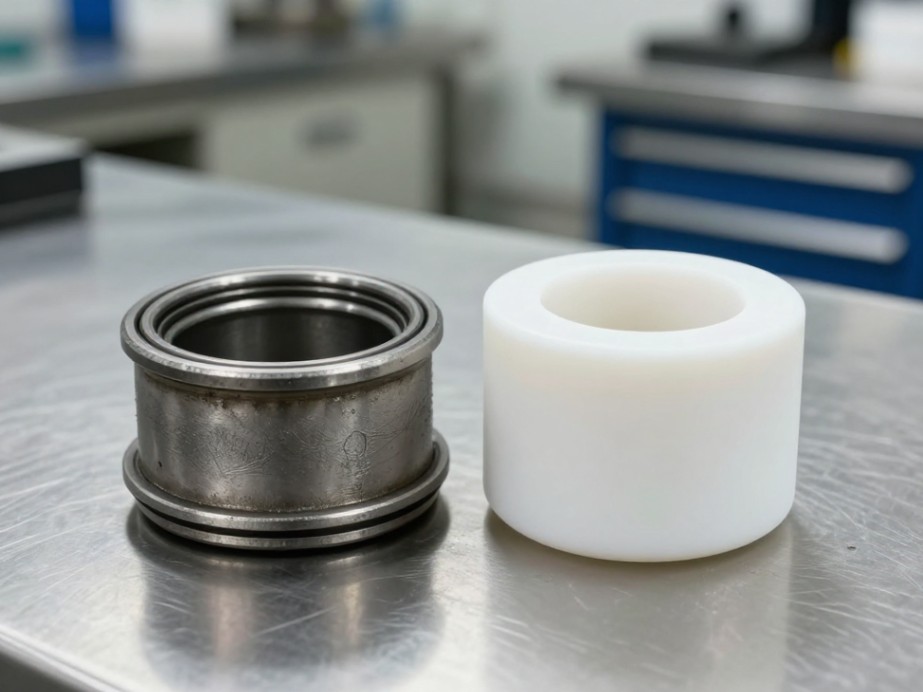
Why Aluminum Oxide Ceramic Still Dominates
In a world chasing the next breakthrough material, alumina ceramic holds its ground. It wins through a balance of properties, availability, and cost-effectiveness that newer ceramics struggle to match. It’s the reliable veteran. We see forums like Ceramic Tech Today or Reddit’s r/engineering often buzzing with debates: “Should we use zirconia or alumina for this wear plate?” The consensus typically points back to alumina for sheer practicality and proven track record in harsh environments.
The Core Property Matrix
We can talk about high hardness and chemical inertness, but what does that really mean for you? Let’s break it down by comparing it to other common players in the advanced ceramic field.
| Material | Key Strength | Typical Cost Driver | Where It Loses to Alumina |
|---|---|---|---|
| Aluminum Oxide (Al2O3) | Best all-rounder: wear, corrosion, insulation, cost. | Purity level (99.5% vs. 96%), finishing complexity. | Raw fracture toughness, thermal shock resistance. |
| Zirconia (ZrO2) | Exceptional fracture toughness and strength. | Raw material cost, processing sensitivity. | Long-term aging in wet environments, cost for simple wear parts. |
| Silicon Nitride (Si3N4) | Superior thermal shock & high-temperature strength. | Very high sintering costs, complex shapes difficult. | Cost for non-thermal-shock applications, widespread chemical resistance. |
| Silicon Carbide (SiC) | Outstanding thermal conductivity and wear. | High-temperature sintering, finishing is extremely hard. | Electrical insulation properties, machineability of sintered parts. |
This comparison clarifies the niche. You choose Silicon Nitride Ceramic for turbine blades facing rapid temperature swings. You select Silicon Carbide Ceramic for burner nozzles needing to conduct heat away fast. But for a seal face, a liner, an insulator, or a lab crucible? Aluminium oxide ceramic is usually the first and most sensible choice.
Decoding the Grades: From Lab Bench to Blast Furnace
Not all alumina is created equal. The “aluminum oxide ceramic” label spans a vast range. The choice isn’t just about material; it’s about grade.
- 96% – 99.5% Alumina: The workhorse. This covers most industrial wear parts, seals, and electrical insulators. It offers an excellent balance of properties and cost. Many users on manufacturing forums recommend starting here for prototyping.
- 99.6% – 99.9% Alumina: High-purity territory. Grain size gets finer, properties improve, especially electrical insulation and corrosion resistance. This is the realm of semiconductor wafer handling, advanced medical implants, and critical labware.
- Technical vs. CoorsTek/’Special’ Grades: Major suppliers often have proprietary formulations. They might add trace elements to control grain growth or improve specific properties. For example, a special coating for boron nitride ceramic crucibles might be necessary for certain high-purity metal melting, whereas a standard high-purity alumina crucible suffices for most other applications.
The Future Isn’t Always Disruption: Trends in Alumina Tech
The evolution isn’t about replacing alumina; it’s about enhancing it and fitting it into new systems. We see three clear trends.
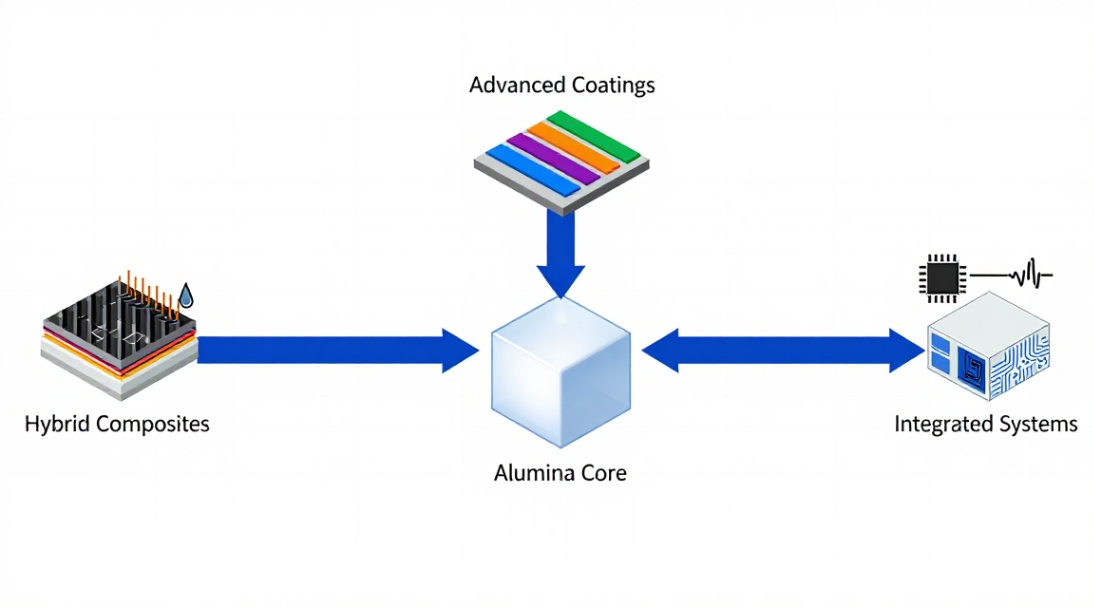
First, hybrid systems. Designers are pairing alumina with other materials. Think of an aluminum oxide ceramic wear plate backed by a resilient polymer for damping. Or an alumina feed tube lined with a boron nitride ceramic sleeve for exceptional metal release. The material works best as part of a engineered solution.
Second, precision manufacturing. Advancements in laser machining and fine grinding allow for tolerances and surface finishes previously unimaginable. This opens doors in microfluidics and medical devices, competing directly with more expensive ceramics.
Third, the data feedback loop. With more sensors in industrial processes, we now have real-world, long-term performance data on alumina components. This data is refining our models for wear life and failure prediction, making designs more robust and cost-effective. It validates what veterans in the field have known intuitively: for consistent, predictable performance in a brutal environment, you often can’t beat the white ceramic ring.
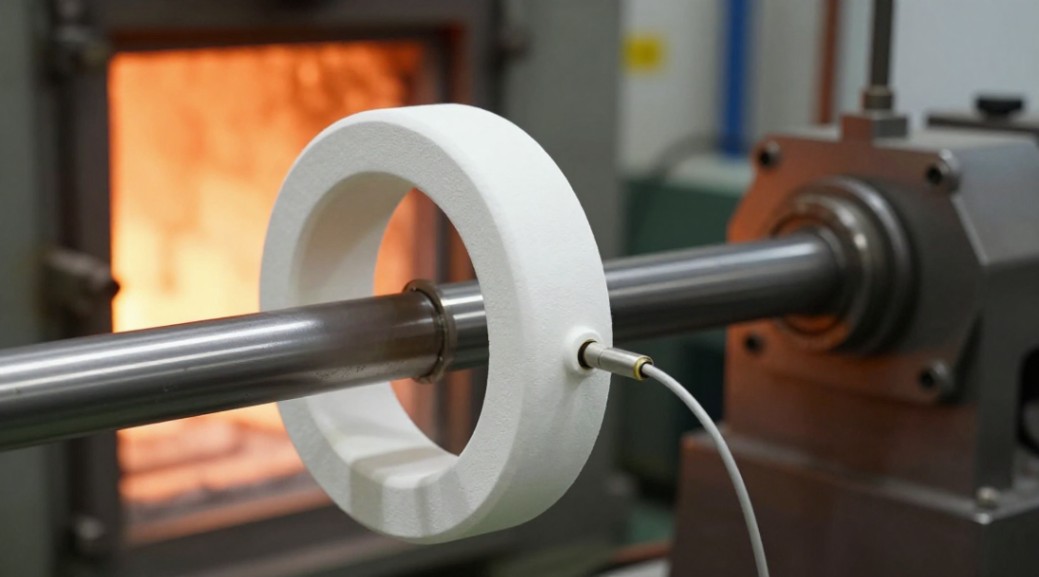
Your next step? Don’t just default to metal or the most exotic ceramic. Evaluate the actual stress, chemical, and thermal environment. Prototype with a standard 99.5% alumina part. The data you gather from that simple test will guide your final material selection, whether it confirms alumina is perfect or points you toward silicon nitride ceramic or reaction-sintered silicon carbide ceramics. Start with the proven workhorse, and let the application tell you what it needs.
Suppiler
Synthetic-chemical focus on the research and development, production and sales of ceramic products, serving the electronics, ceramics, chemical and other industries. Since its establishment in 2015, the company has been committed to providing customers with the best products and services, and has become a leader in the industry through continuous technological innovation and strict quality management.
Our products includes but not limited to Aluminum Nitride, Aluminum Oxide, Boron Carbide, Boron Nitride, Ceramic Crucible, ect. If you are interested in any type of these, please feel free to contact us.